

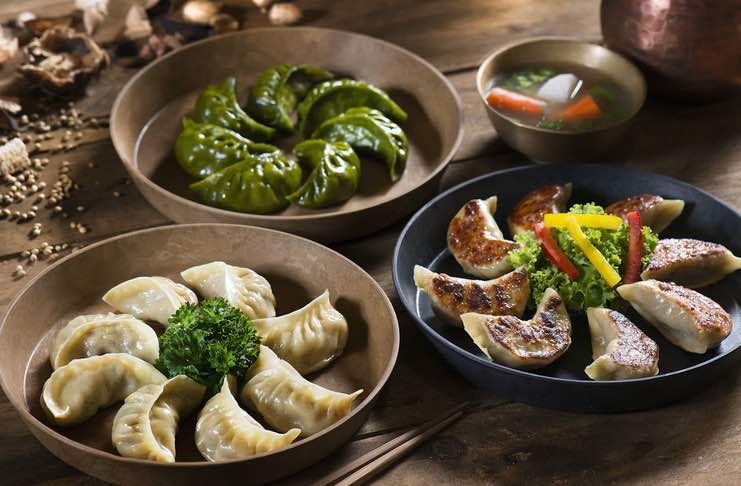
Jackson Heights is the best place in New York City to stock a Nepali, Tibetan or Bhutanese pantry. Within a short walk of the 74th Street–Broadway station, small grocers sell the spices, fermented greens, grains, teas and pickles that are hard to find anywhere else in the city, often next to fresh momo wrappers and bags of beaten rice stacked by the register.
These shops serve the families who cook Himalayan food at home every night, so the shelves are stocked for real kitchens rather than curious tourists. Labels are often in Nepali or Tibetan, and the best items are not always the most obvious ones. This guide covers what to buy first, what each ingredient does, and which shops to visit.
After a plate of momos from our Jackson Heights Himalayan Street Food Guide, most visitors head straight back to the subway.
The better move is to walk two blocks and shop. Watch this video to get a glimpse:
Key Takeaways
- Start with timur pepper, jimbu and a jar of tomato or sesame achar. These three alone make home-cooked Nepali food taste right.
- Gundruk, chiura and tsampa are the fermented and grain staples behind dal bhat, snacks and Tibetan breakfasts.
- Ilam tea and butter tea mixes cover the Himalayan tea table.
- Small Himalayan grocers on Broadway carry Nepali and Tibetan specialties, while Patel Brothers on 74th Street fills in South Asian basics.
- Rare items like Nepali cliff honey are specialty jars, not everyday staples.
Why Shop for Himalayan Ingredients in Jackson Heights?
Timur pepper, jimbu, gundruk, chiura, tsampa, Ilam tea, chhurpi, Himalayan achars and even rare Nepali mad honey all sit on shelves within a few blocks of the station. The grocery stores along Broadway, 37th Avenue and 74th Street sell the same ingredients the neighborhood’s momo counters and thali kitchens cook with every day.
The Himalayan community behind these shops has grown fast. The Pew Research Center estimates that about 225,000 people in the United States identified as Nepalese in 2023, up from just 9,000 in 2000.
Watch this CBS reel to learn more about the community:
Queens is where much of that story plays out. The Kathmandu Post describes Jackson Heights as one of the largest hubs of the Nepali-speaking community in the country.
Because the restaurants use the ingredients sold around the corner, you can taste a dish at lunch and buy what makes it work an hour later.
Where to Start: A Quick Himalayan Pantry Map
| Ingredient | What to Expect | How to Use It |
| Timur pepper | Citrusy, numbing Himalayan pepper, a cousin of Sichuan peppercorn | Tomato achar, potato salads, momo dipping sauce |
| Jimbu | Dried allium leaves with an onion-garlic aroma | Fried in ghee and stirred into dal |
| Gundruk | Fermented, dried leafy greens | Sour soups and pickles |
| Chiura | Flattened, beaten rice | Snack with curry, yogurt or spiced soybeans |
| Tsampa | Roasted barley flour | Mixed with butter tea into a dough-like breakfast |
| Ilam tea | Black and green tea from Nepal’s eastern hills | Plain or as masala chiya |
| Chhurpi | Hard, dried yak or cow milk cheese | A slow-chew snack |
| Achar jars | Tomato, radish, mixed vegetable or sesame pickles | Beside dal bhat, momos or rice |
| Cliff honey | Reddish wild honey from Nepal’s mid-hills | A specialty treat, savored by the spoonful |
1. Timur Pepper: The First Thing to Buy
Timur is the flavor most people can’t place after their first Nepali meal.
It looks like Sichuan peppercorn and shares its tingle, but the aroma is brighter, almost grapefruit-like. Nepali cooks pound it into tomato achar, sprinkle it over potato dishes and add a pinch to momo sauce.
Buy whole timur, not ground.
Toast a teaspoon in a dry pan for 30 seconds, crush it, and the kitchen will smell like a Kathmandu tea shop.
What to buy: A small bag of whole timur. A little goes a long way.
2. Jimbu: The Secret Behind Good Dal
Jimbu is a dried Himalayan herb from the allium family, grown in the high country of Mustang and Dolpo.
On its own, it looks like dried grass. Fried in ghee for a few seconds, it releases a savory onion-garlic aroma that turns a plain pot of lentils into proper Nepali dal.
This is the ingredient restaurant dal has and home dal usually lacks.
Pair it with a recipe like this guide to making dal bhat at home, and the difference is immediate.
What to buy: One small packet. Store it airtight and use a pinch at a time.
3. Gundruk: Sour, Earthy and Very Nepali
Gundruk is made by fermenting mustard, radish or cauliflower leaves, then drying them in the sun.
It is one of the oldest preserved foods in Nepal’s hills. Watch this video to get a glimpse:
Soaked and simmered with tomato, garlic and chili, it becomes a sour, deeply savory soup that sits beside dal bhat on many Thakali thalis. It can also be pickled with timur and mustard oil.
The smell is strong.
The flavor is worth it.
What to buy: A small bag of dried gundruk, plus a soybean or potato to cook alongside it.
4. Chiura and Tsampa: The Grain Staples
Chiura is rice that has been parboiled, flattened and dried. It needs no cooking and is eaten dry and crunchy with curries, yogurt, spiced soybeans or achar. In Newari food culture, it anchors the samay baji festival plate.
Tsampa is roasted barley flour, the backbone of the traditional Tibetan diet.
Mixed with butter tea and kneaded by hand into a soft dough, it becomes a filling breakfast that has fueled herders and pilgrims on the Tibetan plateau for centuries.
What to buy: A bag of chiura for snacking and a bag of tsampa if you want to try a Tibetan breakfast at home.
5. Teas: Ilam Tea and Butter Tea
Nepal’s Ilam district borders Darjeeling, and its teas share the same hills and a similar character at a friendlier price.
Look for loose-leaf Ilam black tea for masala chiya, or green and orthodox teas for plain brewing.
Tibetan butter tea, po cha, is brewed from brick tea, butter and salt. It is salty, rich and closer to a broth than a dessert drink. Instant butter tea mixes on some shelves make a simple first try.
What to buy: A pouch of Ilam black tea, plus a butter tea mix if you are curious.
6. Chhurpi and Himalayan Snacks
Chhurpi is hard, dried cheese from yak or cow milk. It is chewed slowly, for a long time, and slowly softens into a mild, milky flavor.
You will see it in two forms: small hard cubes for people, and larger bars sold as long-lasting dog chews. Both come from the same Himalayan tradition.
Nearby on the shelves, look for titaura, sweet-sour fruit candies made from lapsi and other Nepali fruits, and spicy packaged snack mixes for chatpate.
What to buy: A small bag of chhurpi cubes and a pack of titaura.
7. Achar Jars: The Fastest Way to Nepali Flavor
If you only have time for one aisle, make it this one.
Jarred achars bring instant Nepali flavor to plain rice, eggs or grilled meat. Options range from tomato and sesame achar for momos to radish, mixed vegetable and fiery chili pickles.
Start with a tomato-sesame achar.
It goes with almost everything.
8. Specialty Jars: Nepali Cliff Honey
Some of the rarest items on Himalayan shelves have nothing to do with everyday cooking.
Nepali mad honey is a reddish wild honey gathered by Gurung honey hunters from cliffside hives in Nepal’s mid-hills. It is harvested twice a year, during the spring and autumn seasons, after the rhododendron bloom. Among its varieties, rare harvest and spring harvest are known for their strong effects and potential to cause hallucinations. It tastes less sweet than supermarket honey, with an earthy flavor and a slightly bitter finish.
It is a specialty for adults, savored by the spoonful rather than poured into tea or baking.
That small serving size matters. A review indexed by the U.S. National Library of Medicine notes that the effects of rhododendron honey depend on the amount eaten. It is best appreciated as culture and craft, not as a cure for anything.
Where to Shop in Jackson Heights
Most Himalayan shopping happens on a few short blocks.
Broadway between 72nd and 74th Streets holds small Himalayan grocers such as Himalaya Connection and Himalayan Nazom. Look here for Nepali and Tibetan specialties, religious goods and imported snacks. Watch this video to get a glimpse of Himalayan Nazom:
Patel Brothers on 74th Street is the neighborhood’s big South Asian supermarket. It is the place for lentils, rice, ghee, mustard oil, fresh produce and bulk spices.
37th Avenue has smaller delis and discount stores stocking Nepali spices and snacks.
Hours, stock and ownership change, so check current listings before making a trip for one item.
When Is the Best Time to Go?
Any weekend afternoon works, but September is special.
That is when the neighborhood hosts the Momo Crawl, which Time Out reports began in 2012 as a small neighborhood gathering and now brings more than 30 vendors and $1 dumplings to Jackson Heights.
The 2026 edition took over Diversity Plaza on 37th Road on September 13, according to 6sqft.
Crawl day is the busiest the shops get all year, with plenty of fresh stock and plenty of people to ask what to buy.
A 60-Minute Himalayan Pantry Run
First stop: a Himalayan grocer on Broadway.
Pick up timur, jimbu, gundruk and a jar of achar.
Second stop: Patel Brothers.
Add lentils, rice, ghee and mustard oil.
Third stop: a snack.
Grab a plate of momos nearby so you know what you are trying to recreate.
Final stop: tea.
End with masala chiya and take a pouch of Ilam tea home.
Budget roughly $40 to $60 for a solid starter pantry.
Questions to Ask at the Counter
Shopkeepers are the best guides in the neighborhood. Use this checklist:
☐ Is this from Nepal, Tibet, Bhutan or India?
☐ Is the timur whole or ground, and how fresh is it?
☐ Which achar do you eat at home?
☐ Is this gundruk mustard, radish or mixed greens?
☐ Which tea do you drink every day?
☐ Is the chhurpi for people or for dogs?
☐ What arrived most recently?
The last question tends to lead you to the freshest stock on the shelf.
Final Bite
The best souvenir from a Jackson Heights food day is not a photo of a momo.
It is a bag of timur in your kitchen, a packet of jimbu next to the stove, and a jar of achar in the fridge.
Eat first.
Then shop.
Your next pot of dal will taste a lot more like Queens.
Frequently Asked Questions
- What are the most important Nepali pantry ingredients?
Timur pepper, jimbu, mustard oil, ghee, lentils, rice and a good achar cover most everyday Nepali cooking. Gundruk and chiura add traditional depth.
- Where can you buy Himalayan groceries in Jackson Heights?
Small Himalayan grocers on Broadway between 72nd and 74th Streets carry Nepali and Tibetan specialties. Patel Brothers on 74th Street covers South Asian basics.
- What is the difference between timur and Sichuan pepper?
Both create a tingling, numbing sensation. Timur has a brighter, citrusy aroma and is the standard in Nepali achars and potato dishes.
- What is tsampa used for?
Tsampa is roasted barley flour, mixed with butter tea into a dough for a traditional Tibetan breakfast. It can also be stirred into porridge.
- Is Nepali mad honey an everyday honey?
No. It is a rare cliff-harvested honey savored in small spoonfuls by adults. Children, pregnant women and anyone with a heart condition or on heart or blood pressure medication should skip it.
- About the Author
- Latest Posts

Mehru Sheikh is a Dallas-born, Brooklyn-based writer, traveler, and product manager who believes good food is the world’s most universal language. After moving to New York City in 2020, she channeled her passion for exploration into @sheikhshack_ — a lifestyle platform covering food, fashion, and travel that grew from a personal travel diary into a community of nearly 7,000 followers. Known for her fast-travel approach — squeezing as much as possible into short trips — Mehru has become a go-to voice for practical, culturally immersive travel, particularly within the South Asian community. She has ghost-written for travel blogs, previously ran her own food page, and co-founded Table for Four, an events company connecting New Yorkers to new experiences and each other. At New York Street Food, she brings that same curiosity and appetite to uncovering Brooklyn and NYC’s most exciting, flavor-forward dining destinations.