

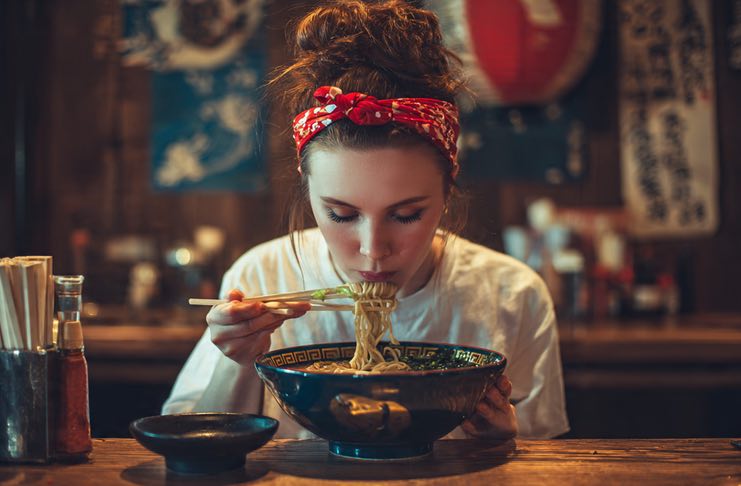
When most people think of ramen, they picture the noodles, the broth, and the toppings. But the bowl holding it all together is just as intentional as the dish itself. According to the Japanese House in LA, traditional Japanese ramen bowls follow specific design conventions — from their size and shape to their materials and decorative elements.
Understanding these details gives you a deeper appreciation for the meal, whether you’re eating at a ramen-ya in Tokyo or trying to replicate the experience at home. For those who want to take that appreciation further, themed noodle bowls at Toynk bring pop culture into the mix — but even the most creative collectible designs are rooted in the same functional traditions that have shaped the classic ramen bowl for decades.
What Makes the Shape of a Ramen Bowl Distinctive?
A traditional ramen bowl is wide and deep. The wide opening — typically between 7 and 9 inches in diameter — serves a practical purpose: it gives you a clear view of the toppings and allows steam to escape evenly, keeping the broth at a steady temperature without overcooking the noodles underneath. The depth, usually 3 to 4 inches, accommodates a generous volume of broth, along with a full serving of noodles and garnishes.
The sides of a traditional ramen bowl curve gently inward or remain straight rather than flaring outward. This shape helps contain the broth and makes it easier to use chopsticks and a renge (the ceramic flat-bottomed spoon) together without spilling. The base is typically flat and wide enough to keep the bowl stable on a table, since ramen bowls are not lifted to eat from — they remain on the surface throughout the meal.
How Big Is a Traditional Ramen Bowl?
Ramen bowls are larger than most other Japanese bowls. While a standard rice bowl holds roughly 1 cup, a ramen bowl is designed to hold 1,000 to 1,500 milliliters — enough for a full portion of broth, noodles, and multiple toppings. This size places them in the hachi category of Japanese bowls, meaning they stay on the table rather than being lifted in one hand while eating.
The generous capacity also has a visual function. In a traditional ramen presentation, the bowl should look full but not overflowing. The space between the broth surface and the rim gives the cook room to arrange toppings — sliced chashu, a soft-boiled egg, nori, bamboo shoots, green onions — in a visually intentional way.
What Materials Are Traditional Ramen Bowls Made From?
Traditional ramen bowls are most commonly made from ceramic or porcelain. These materials retain heat well, which matters in a dish where broth temperature directly affects the eating experience. The thickness of the ceramic also plays a role — a thicker bowl wall keeps the broth warm for longer, while the material itself does not impart any flavor to the dish.
Watch this video to learn more:
In casual ramen shops and fast-food style establishments, melamine bowls are widely used. Melamine is a durable, lightweight plastic material that can be molded to mimic the weight and appearance of ceramic. It is more resistant to chipping and cracking under heavy commercial use, making it a practical choice for high-volume restaurants. While melamine does not retain heat as effectively as ceramic, it closely replicates the visual profile of a traditional ramen bowl.
What Patterns and Designs Appear on Ramen Bowls?
The exterior of a traditional ramen bowl is usually decorated, and those decorations are not arbitrary. One of the most recognizable patterns is the ramen noodle swirl, sometimes called the naruto pattern—a repeating spiral design that references both the fish cake topping and a broader aesthetic rooted in Japanese folk design. This swirl pattern appears on many classic ramen bowls, particularly those associated with old-school ramen shops.
Other common decorations include:
- Kanji characters or short phrases related to food or welcome are often displayed prominently on the exterior.
- Blue and white brushwork, a style borrowed from traditional Chinese porcelain that became deeply embedded in Japanese ceramics
- Wave or cloud patterns, which connect the bowl to broader motifs in Japanese art and give it a sense of movement
The interior of a ramen bowl is usually left plain — white or off-white — so the colors of the broth and toppings remain the visual focus.
How Is Color Used in Traditional Ramen Bowls?
Traditional ramen bowls follow a clear visual logic: plain interiors, decorated exteriors. The interior glaze is almost always neutral, allowing the golden hue of a tonkotsu broth, the deep red of a spicy miso, or the clear amber of a shoyu soup to stand out. The exterior, by contrast, is where craftsmanship and identity are expressed through color, pattern, and texture.
The traditional ramen bowl is a functional object shaped by decades of practical refinement. Its proportions, materials, and decoration all exist in service of a single purpose — to present ramen the way it was meant to be experienced. The next time you sit down to a bowl, take a moment to notice the vessel itself. There is more thought in it than you might expect.