
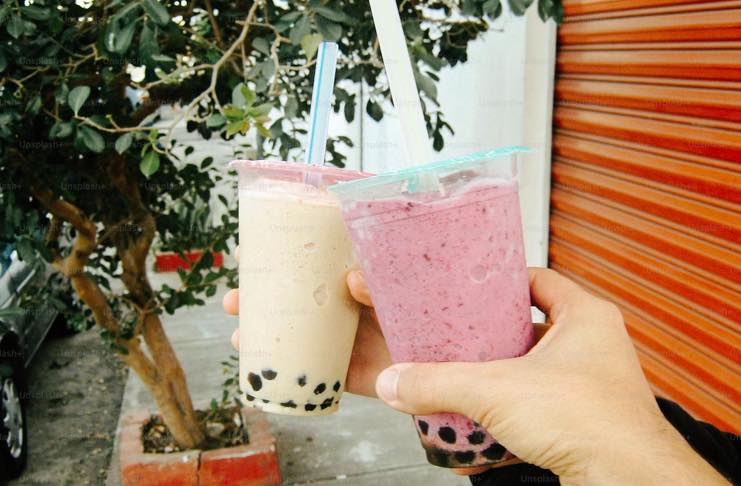
Bubble tea has gone from a niche Taiwanese drink to one of the most popular beverages in the world. In the United States alone, bubble tea sales have jumped around 300 percent over the last five years, and North America is now the largest bubble tea market on the planet. With a good drink costing seven to nine dollars at a shop, more and more boba lovers are learning to make it at home.
But here is what most guides do not tell you: making bubble tea at home comes with a few real headaches. This guide covers everything: the classic method, the common problems nobody warns you about, the sugar issue, and the shortcuts that actually work. By the end, you will know exactly how to get the boba you love without the hassle.
What Is Bubble Tea, Exactly?
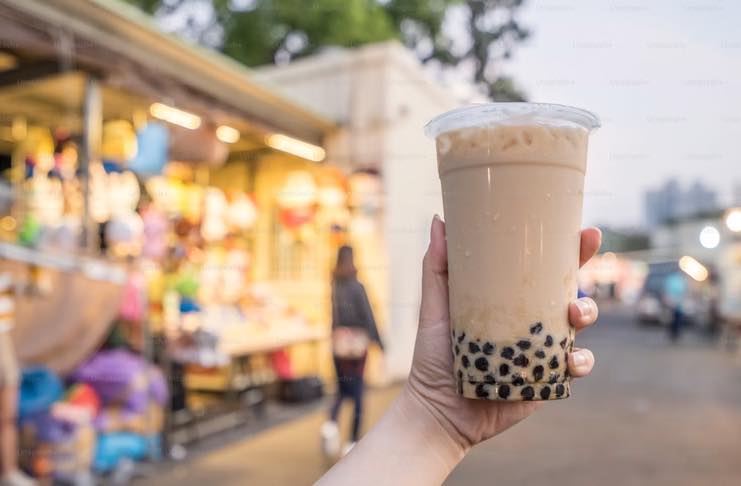
Bubble tea, also called boba tea or pearl milk tea, started in Taiwan in the 1980s (read more of its history on Wikipedia). At its core, it is a sweetened tea, usually mixed with milk, served over ice with chewy tapioca pearls at the bottom. You drink it through a wide straw so you can suck up the pearls as you go.
Watch this video to learn more about it’s origins:
A classic bubble tea has four parts:
- The tea base: usually black, green, or jasmine tea
- The milk or creamer: dairy milk, or plant-based options like oat, almond, or soy
- The sweetener: sugar syrup, honey, or brown sugar
- The pearls: chewy tapioca balls, the signature part of the drink
From there, the variations are endless. Fruit teas, taro, matcha, brown sugar, and more. Taro, matcha, and classic milk tea are the three most popular flavors worldwide.
The Classic Way to Make Bubble Tea at Home
If you want to make everything from scratch, here is the basic process.
Step 1: Cook the tapioca pearls
Bring a large pot of water to a rolling boil. Use plenty of water so the pearls have room to move. Add the pearls and stir for the first minute to prevent them from sticking together. Traditional tapioca pearls need to be cooked for 30 to 60 minutes, depending on their size, then rested in hot water for a while longer.
Step 2: Sweeten the pearls
Once cooked, drain the pearls and mix them with a spoonful of brown sugar or honey while they are still warm. This keeps them from sticking and adds the classic sweet flavor.
Step 3: Brew the tea
Brew your tea strong, stronger than you would normally drink it, because the milk and ice will dilute it. Let it cool.
Step 4: Assemble
Add the pearls to a tall glass. Pour in your tea, add milk, sweetener to taste, and plenty of ice. Stir and serve with a wide straw.
The Problems Nobody Warns You About
Here is the honest part. Making bubble tea from scratch sounds simple, but there are a few issues that catch almost everyone off guard.
Tapioca pearls go hard fast
This is the biggest complaint. Tapioca pearls are perfect for the first couple of hours, then they start to harden. Leave them overnight, and they turn slimy on the outside and rock hard inside. The reason is something called starch retrogradation: as the cooked starch cools, the molecules tighten back up, and the texture suffers. The usual advice is to drink your boba within two to four hours of cooking, which is not exactly convenient when you only want one drink.
Making pearls from scratch is harder than it looks
Plenty of home cooks have tried rolling their own pearls from tapioca starch and ended up with a sticky disaster or a dough that crumbles apart. Many recipes leave out key details, like exactly how hot the water needs to be when you mix the dough. One wrong move and you get glue instead of pearls.
The cooking time is long
Real tapioca pearls need 30 to 60 minutes of cooking plus resting time. If you want boba with dinner, you are starting the pot in the late afternoon. On a busy weeknight, that is a lot to ask.
The sugar adds up fast
This is the one that surprises people the most. Health experts have started calling it the bubble tea sugar backlash, and in 2026 it is considered one of the main things slowing down the traditional boba market.
A single full sugar bubble tea can contain 50 grams of sugar or more, which is roughly double the daily recommended limit for most adults in just one drink. A standard 16-ounce drink runs around 250 to 500 calories. The sugar hides everywhere: in the sweetened tea, the syrup, the condensed milk, and especially the pearls, which are usually soaked in sugar syrup. Even the tapioca pearls themselves, before any toppings, add roughly 78 to 150 calories and several grams of sugar per serving while offering almost no nutritional value.
How to Make Healthier Bubble Tea at Home
The good news is that making boba at home means you control what goes in. Here are the proven ways to cut the sugar and calories without killing the fun:
- Cut the sweetener. Start with half the sugar and add more only if you need it. Most people find they do not miss it.
- Switch the milk. Unsweetened oat, almond, or soy milk keeps things lighter than whole milk or condensed milk.
- Rethink the pearls. The pearls are often the biggest hidden sugar source. Look for sugar free or low sugar pearl options.
- Use a smaller cup. Shop sizes are large. A smaller drink means less sugar and fewer calories.
- Try fruit infusions. Fresh fruit adds natural sweetness without piling on syrup.
The Shortcut: Boba Kits and Better Pearls
For a long time, the knock on instant boba was that it tasted bad and had a strange texture. The cheap instant pearls sold in some stores really were not great. But things have changed, and there are now options built specifically to solve the problems above.
For most home boba drinkers, the easiest path is a quality boba milk tea kit that includes both the flavored milk tea and the pearls together. Instead of buying five separate ingredients and guessing at ratios, you just mix and go. A good kit takes the guesswork out and gets you a consistent drink every time.
The bigger upgrade is on the health side. Some kits now use sugar-free boba pearls made from konjac and agar instead of sugar-soaked tapioca. This solves the two biggest problems at once. You skip the sugar overload, and these jelly-style pearls come ready to use straight from the pack. No boiling, no 60-minute cook time, no pearls going hard a few hours later. In fact, konjac and agar pearls should not be boiled at all since heat ruins their texture. You just open, add to your drink, and enjoy. For anyone watching their sugar, following a keto or low-carb diet, or just wanting boba more often without the guilt, this is the simplest option available.
How to Make Bubble Tea at Home With a Kit
Using a kit, the whole process takes just a few minutes:
- Pick your flavor
- Mix the milk tea with hot water and your milk of choice
- Add the pearls and ice
- Stir and enjoy
No 60-minute cook time, no failed pearl dough, and no sugar crash.
Tips to Make Any Bubble Tea Better
Whether you go from scratch or use a kit, these small things make a big difference:
- Use cold milk and plenty of ice for the best texture and temperature
- Brew tea on the strong side so it does not get lost behind the milk and ice
- Start with less sweetener and adjust up to taste
- Oat milk and almond milk both work great and keep the drink lighter
- Drink it fresh for the best pearl texture
- A wide boba straw is worth it for the full experience
Frequently Asked Questions
Is it cheaper to make bubble tea at home?
Yes, much cheaper. A single drink at a shop costs seven to nine dollars. A kit or a bag of pearls makes many drinks for the same price, so it pays for itself after just a few cups. If you drink boba even once a week, making it at home saves a lot over a year.
How long do tapioca pearls last after cooking?
Not long. Traditional tapioca pearls are best within two to four hours of cooking. After that, they start to harden, and they do not survive overnight. This is one of the main reasons many people prefer ready-to-use pearls that do not have the same problem.
Is bubble tea unhealthy?
According to ScienceDirect, traditional bubble tea is high in sugar and calories. One full sugar drink can have 50 grams of sugar or more and up to 500 calories. That said, when you make it at home, you control the ingredients. Using less sweetener, lighter milk, and sugar-free pearls can turn it into a much lighter drink.
Do you have to cook all boba pearls?
No. Traditional tapioca pearls need to be cooked, usually 30 to 60 minutes. But sugar-free konjac and agar-based pearls come ready to use straight from the pack, with no cooking at all. These jelly-style pearls should not be boiled, since heat ruins their texture. You just open the pack and add them to your drink.
What is the most popular bubble tea flavor?
Worldwide, the three most popular flavors are taro, matcha, and classic milk tea. Taro is known for its purple color and sweet, creamy, slightly nutty taste, and it is naturally caffeine-free, which adds to its popularity.
Can you make bubble tea without tapioca pearls?
Yes. You can use alternatives like popping boba, fruit jelly, or sugar-free konjac pearls. Many people who want a lower-carb or lower-sugar drink choose konjac-based pearls instead of traditional tapioca.
The Bottom Line
Making bubble tea at home is absolutely worth it. You save money, you control the sugar, and you can have it whenever the craving hits. The from-scratch method works well if you have the time and patience for it. But if you want real boba without the long cook time and without the sugar overload, a good low sugar kit is the easiest way to get there. Either way, one of the best drinks in the world is now something you can enjoy right from your own kitchen.
- About the Author
- Latest Posts
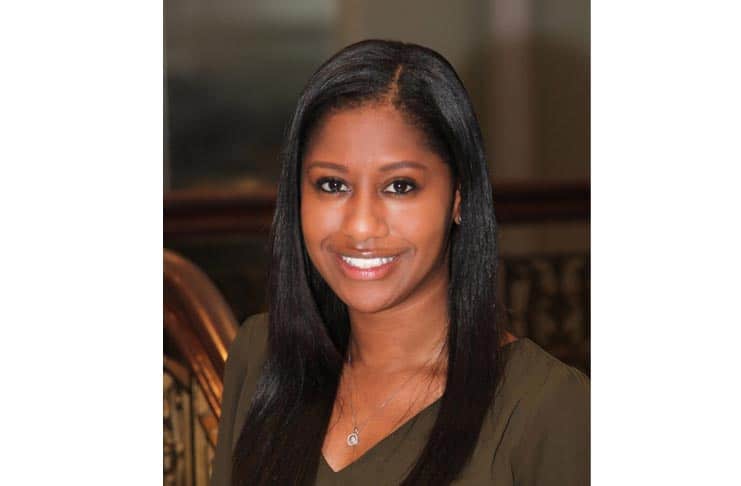
Tiara Budd Ramos is a New York-based communications and DEI professional with a sharp eye for the city’s best meals and an Instagram feed to prove it. She has spent her career working across advertising, digital strategy, and communications, and is currently a Senior Program Manager of Employee Experiences at Lyft, where she focuses on building inclusive, engaging programs for a global workforce. A proud Hampton University graduate with a degree in Public Relations and Spanish, Tiara sits on the board of NAMIC (the National Association for Multi-ethnicity in Communications) and is a member of She Runs It and The Advertising Club of New York, where she was selected as a 2020 imPART Fellow. When she’s not advocating for more inclusive workplaces, she’s exploring New York’s neighborhoods one restaurant at a time — hunting for great food, great reads, and her next adventure across the country.