
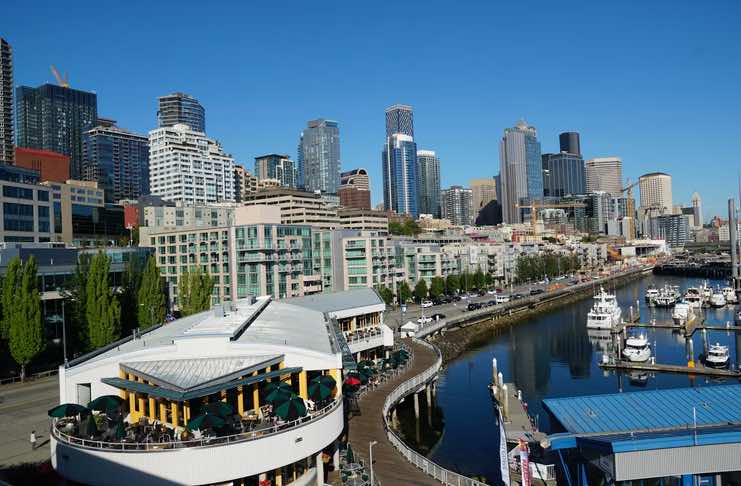
Planning an exciting and delicious Seattle food day? You’ve reached the right place. Most visitors know exactly two things about eating in Seattle. Fish get thrown at Pike Place Market, and the first Starbucks is nearby. Both are true, and both barely scratch the surface. Seattle sits at the intersection of cold Pacific waters, some of America’s best farmland, and one of the West Coast’s most vibrant Asian food communities, which makes it a legitimately world-class eating city hiding behind a coffee cup.
The secret to eating well here is structure. Seattle’s best food is spread across distinct neighborhoods, each with its own specialty and its own rhythm, and the city rewards travelers who move through them in the right order. Here is how to build a full Seattle food day, from the morning market stalls to a proper waterfront dinner at night.
Morning: Pike Place Market, Done Properly
Yes, go to Pike Place. Every food traveler should. The market has been feeding Seattle since 1907, making it one of the oldest continuously operating farmers’ markets in the country, and it remains a working market rather than a museum. But go early, because the stalls open around 9 a.m. and by late morning the crowds make grazing difficult.
The move is to eat your way through in small bites. Try a freshly made doughnut, chowder from the famous counter that has been winning awards for decades, smoked salmon from the fishmongers, and seasonal fruit from the farm stalls that will ruin supermarket produce for you forever. Watch the fish toss, sure, but the real show is the produce, the flowers, and the maze of lower-level shops most tourists never find. Give yourself at least two hours and arrive hungry.
And about that coffee. The line at the original Starbucks is long, but the independent roasters of Seattle are the actual story. The city takes its espresso seriously, and a cortado from a local cafe will tell you more about Seattle coffee culture than any souvenir cup. Order a second one for the walk. Nobody in Seattle will judge you.
Watch this video to get a glimpse:
Our Experience
We got to the market at 8:45 on a Saturday and had the mini doughnut stand nearly to ourselves before the crowds rolled in around 10. The chowder line was already ten deep by 9:30, so early arrival really is the whole trick.
Midday: The International District
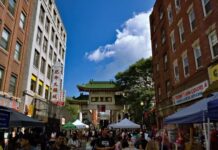
A short hop from downtown, the Chinatown International District is one of the oldest pan Asian neighborhoods in North America, and it eats like it. Dim sum carts, hand-pulled noodles, Vietnamese pho, Japanese izakaya cooking, and Filipino bakeries all share a few walkable blocks. Generations of immigrant families built this neighborhood one restaurant at a time, and the depth shows on every menu.
This is also home to Uwajimaya, the landmark Asian grocery store that doubles as a food hall, a perfect stop if your group cannot agree on one lunch. Browse the aisles for snacks you have never seen before, then settle in for a bowl of ramen or a plate of Hawaiian barbecue from the vendors inside.
Watch this:
Our Experience
Our group split three ways at Uwajimaya, one on ramen, one on Hawaiian barbecue plate lunch, one raiding the snack aisle, and we all reconvened at the same tables ten minutes later. It solved the eternal group lunch argument better than anywhere else we tried in the city.
Afternoon: Oysters and the Seattle Happy Hour
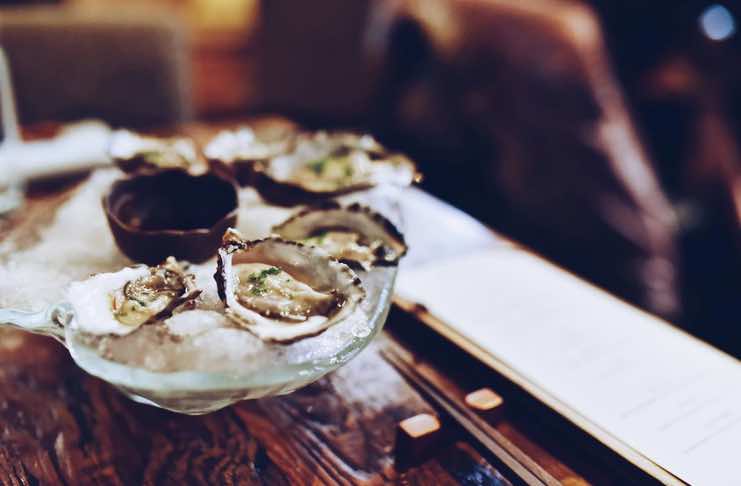
Seattle might be America’s best oyster city. The cold waters of Puget Sound and the Washington coast produce dozens of varieties, and the city’s raw bars pour them out during famously generous happy hours. An afternoon dozen with a glass of Washington white wine is a Seattle ritual worth building your day around. Ask the shucker to pick a range from creamy to briny, and you will get a tasting tour of the entire coastline on one tray of ice.
If you have extra time, the shops and breweries of Ballard or the restaurant row on Capitol Hill are both worth the detour. Capitol Hill, in particular, is where much of the city’s new-school cooking lives, and its happy-hour culture is a sport of its own.
Our Experience
We asked for a mixed dozen and let the shucker choose, and the range from a briny Hama Hama to a surprisingly sweet Kumamoto turned into the best food conversation of the whole trip. Happy hour pricing on that platter made it feel like a steal compared to the dinner menu.
Evening: Waterfront Dinner and the Views
For dinner, Seattle gives you a choice. There are ambitious tasting rooms on Capitol Hill, classic seafood houses on the waterfront with Elliott Bay views, and splurge dinners across the water where the skyline itself becomes part of the meal. Wild salmon, Dungeness crab, and geoduck are the local stars, and the best kitchens treat them simply, because this is ingredient country, not sauce country.
Book ahead. The top dining rooms in Seattle fill up fast, especially in summer when the sun finally shows up, and the whole city goes out to dinner. If you are celebrating something, tell the restaurant when you book. Seattle kitchens love an occasion, and a mentioned anniversary or birthday often turns into an extra course.
Watch this reel:
Our Experience
We mentioned a birthday when booking a waterfront table and the kitchen sent out a small plate of grilled king salmon we had not ordered, no charge. The Elliott Bay view at sunset made the wait for that table worth every minute.
Getting Between It All
Here is the practical reality of that itinerary. Pike Place, the International District, Ballard, Capitol Hill, and the waterfront are all different neighborhoods; the hills of Seattle are steep, the rain is reliable, and downtown parking is both scarce and expensive. String four or five stops together, and you can easily lose an hour or more of eating time to logistics.
For a packed food day, and especially for special occasions, group dinners, or wine-heavy evenings, many visitors book a professional Seattle limo service so one chauffeur handles the whole route. It means no parking garage math near the market, no soggy walks between reservations, and a safe ride back to the hotel after a Washington wine dinner. It is also the smoothest way to bookend the trip, connecting a SeaTac Airport arrival straight to that first bowl of chowder without dragging luggage through the drizzle.
Seattle rewards eaters who cover ground. The easier you make the moving, the more of the city you get to taste.
Our Experience
We tried the DIY route on one visit and lost almost ninety minutes circling for parking near Pike Place alone. Booking a car for the second trip meant we actually made it to all five stops in a single day instead of cutting the list short.
If You Have a Second Day
Push beyond the city limits. Woodinville, about 30 minutes northeast, hosts over 100 wineries and tasting rooms, the largest concentration in the state, making it an easy half-day wine excursion. To the south and west, the oyster farms of Puget Sound offer tours where you can eat shellfish steps from the water they grew in. Both trips pair naturally with a chauffeured day out, since tasting rooms and driving do not mix.
Sweet finishes deserve a mention too. Seattle’s bakery scene punches far above its weight, from flaky croissants that draw morning lines in Capitol Hill to the mini doughnuts at the market that have been a ritual for generations of visitors. Chocolate makers, artisan ice cream shops, and Asian dessert cafes serving mochi doughnuts and matcha soft serve round out the picture. If your Seattle food day has room for one last stop, make it a bakery box for the ride to the airport, because the memory of a great trip should always be edible.
Our Experience
A Woodinville half-day turned into four tasting rooms and a lot of very good syrah, and we were glad someone else was driving on the way back. We closed the trip with a bakery box of mochi doughnuts for the airport, and they did not survive the security line.
When to Visit for the Best Eating
Every season changes the Seattle menu. Summer is the obvious winner, with long daylight, patio dinners, and the famous farm stands at their peak, but it is also the busiest time for reservations. Fall brings wild mushroom season and the start of Dungeness crab, when the seafood houses hit their stride. Winter is oyster season at its absolute best, since the cold water makes them plump and sweet, and the cozy dining rooms of Capitol Hill feel made for the weather. Spring offers the shortest lines at Pike Place and the first king salmon of the year. There is no wrong answer, only different menus, so pick the season that matches what you most want to eat.
Our Experience
A January visit meant no lines at Pike Place and the plumpest oysters we have had anywhere on the West Coast. We traded long summer daylight for short lines and cheaper hotel rates, and it felt like the better deal.
Final Thoughts
The food scene in Seattle has the range of a much bigger city. Century-old market stalls, deep Asian food traditions, world-class shellfish, and an ambitious new generation of chefs all sit within a few miles of each other. Plan your route, book your tables, sort your transportation, and bring an appetite bigger than your umbrella. The rain is temporary. The chowder memories are permanent.