

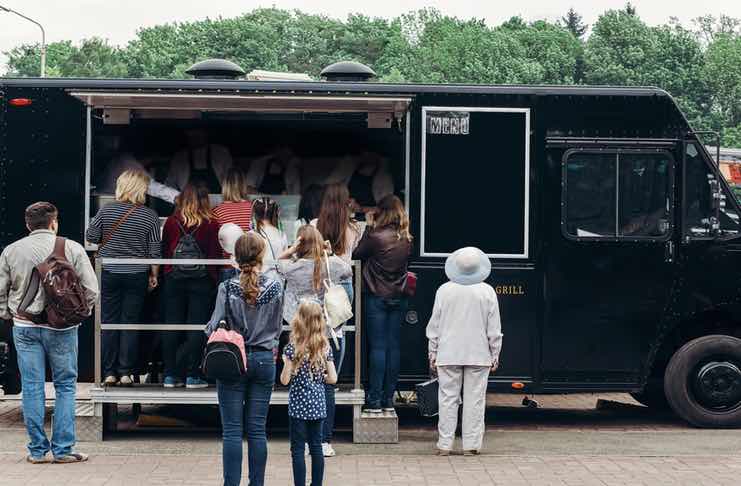
Street food has moved from a quick grab-and-go option to a regular part of everyday eating. People line up for tacos, noodles, skewers, and sandwiches made in tight spaces that still manage to feel creative and practical. Many buyers pay closer attention to what goes into their meals, so clean and simple ingredients have become a basic expectation. Fresh produce, traceable sourcing, and straightforward preparation help street vendors keep regulars coming back. In this post, as part of our street food blog, we’ll explore the boom in supplying organic ingredients for the street food industry.
Key Insights of this post:
- Organic sourcing helps food trucks offer clean, steady flavors without complicating prep.
- Seasonal produce gives vendors simple ways to refresh menus.
- Clear farm links support customer trust and straightforward ingredient questions.
- Smart storage, cooling, and delivery habits keep organic goods in good condition.
- Strong communication between farms and vendors strengthens long-term partnerships.
Farms play a bigger part in this shift than most people realize. Growers supply herbal products, vegetables, fruit, and proteins that help mobile kitchens keep their menus reliable. The connection between farmers and food trucks continues to strengthen as more vendors look for steady access to organic goods. A shorter path from the field to the service window helps vendors maintain consistency. It also helps farms reach customers who want something that feels honest and easy to understand.
The Growth of Street Food Culture
Street food picked up speed once people realized they could get fresh, interesting meals from small mobile setups without the long wait of a sit-down spot. Food trucks and carts handled busy sidewalks, markets, and late-night crowds with simple menus that focused on flavor and quick service. Operators kept costs lower than traditional restaurants, which made it easier to experiment and adjust to what people wanted.
Many customers looked for quick meals that still felt thoughtful for eating healthy. Better ingredients built on organic foods helped vendors deliver that. Fresh produce, organic options, and simple cooking methods started to matter more as buyers paid closer attention to what they were eating. Mobile kitchens adopted these habits fast because their menus were flexible.
Watch this BBC piece to learn more:
Social media pushed things even further. Photos and short videos turned certain dishes into must-try items. Travelers picked up ideas from trips and passed them along to their own neighborhoods. Local flavor trends spread fast through pop-ups, farmers’ markets, and weekend events. Food trucks responded quickly, which helped the whole scene grow.
Why Organic Ingredients Appeal to Street Food Vendors
Organic sourcing helps vendors keep flavors clean and preparation simple. Produce grown in healthy soil often holds steady even during busy service hours. Many street cooks prefer ingredients that behave predictably under heat and quick handling. Organic goods fit that need.
Customer preferences for produce grown without synthetics
Many buyers pay close attention to growing methods. Meals made from produce raised without synthetic inputs feel more straightforward to them. People often ask about suppliers, growing regions, or harvest times. Vendors who use organic produce find it easier to answer those questions in plain terms.
Watch this ABC piece to see how people are preferring organic foods more and more:
Vendor interest in transparency and trust
Customers expect clear information about ingredients. Honest sourcing builds trust between a vendor and regular visitors. Mobile kitchens rely on repeat business, so steady transparency helps them stay consistent. Farmers who follow organic standards give vendors reliable talking points that customers appreciate.
Market benefits for vendors who use certified organic inputs
Organic inputs can give vendors a simple marketing edge. A short message on a menu board or social profile can raise interest. Many farms now make ordering simpler. Some even let buyers order certified seed potatoes online, for example, which helps vendors plan small seasonal dishes. Certified goods also support stable pricing because customers see them as dependable. Vendors who adopt organic sourcing often find it easier to stand out at markets and weekend events.
How Organic Farms Support Food Trucks
Organic farms give food trucks steady support through practical growing and handling habits. Vendors work fast in small spaces, so they look for ingredients that stay reliable from one service to the next. Farms that focus on organic methods often match those expectations without extra fuss.
Seasonal production practices that help vendors plan menus
- Clear notes on planting and harvest timing
- Early updates on expected yields
- Crop lists that match short, flexible menus
- Simple signals when a crop is running low
Growing methods that support consistent supply quality
- Soil-building routines that keep producing firm
- Careful watering schedules that reduce sudden quality shifts
- Minimal storage time between harvest and delivery
- Field checks that keep out damaged or irregular pieces
Packaging and handling considerations for vendors who work in tight spaces
- Lightweight crates that stack neatly
- Produce sorted by size to simplify prep
- Clean labels that show variety, date, and farm name
- Packing styles that reduce bruising during transport
Communication between farmers and mobile kitchens keeps everything moving. Quick texts or weekly calls help vendors adjust portions, switch ingredients, or run small specials when a crop peaks. Farmers get early signals about demand, which makes planning easier on their end. Both sides work more smoothly when updates stay short and regular, and that steady back-and-forth helps keep service lines moving without surprises.
Logistics for Moving Organic Goods Into a Mobile Kitchen
Moving organic goods into a mobile kitchen works best when vendors build routines that match the limits of a compact workspace. Every choice in storage, timing, and handling shapes how long ingredients hold up once the service window opens.
Storage limitations inside trucks
Tight interiors force vendors to treat every shelf as prime real estate. Shallow bins fit under counters and keep small produce easy to reach. Dry goods sit in thin vertical racks so nothing blocks the prep stations. Items used during peak minutes stay near the chopping boards to reduce unnecessary steps.
Timing for deliveries
Delivery windows matter because crews often run on short prep cycles linked to supply chains. Morning deliveries give teams time to rinse and set aside items before the first line forms. Evening vendors sometimes choose late-afternoon drop-offs so their ingredients arrive cool and steady for night service.
Cooling needs for produce and proteins
Compact fridges must handle varying temperature requirements. Vendors place leafy items in upper drawers where airflow is gentler. Proteins stay in the coldest zone. Quick temperature checks prevent small shifts that can affect texture.
Systems that help keep items fresh through a full-service day
Small trays help vendors portion ingredients early so they avoid repeated handling. Simple rotation practices keep older stock in front. Many crews use colored lids or small stickers to track what needs to move first.
Simple record-keeping habits for organic stock
Short logs on a phone or tablet track sources and quantities. Notes taken during the day help crews order only what fits the next shift’s plan.
Steady routines like these help trucks maintain smooth prep and reduce the chance of ingredients fading before the last order.
Watch this video of an Organic food truck that’s seeing increased demand:
Menu Development Built Around Seasonal Organic Produce
Peak-season produce gives vendors an easy way to build rotating specials without complicating prep. Items at their best usually need less handling, which keeps cooking times short. Many vendors also like how seasonal goods create small menu shifts that regulars notice. A new salsa, topping, or side made from fresh harvests can keep a menu feeling current.
Items suited for fast-service formats need to stay steady under heat and quick assembly. Produce that keeps its shape during slicing, grilling, or searing works well. Proteins that cook evenly in small batches help crews move orders along. Vendors often test an ingredient in a simple dish before giving it a spot on the main menu.
Here are some examples that match common themes
- Tacos: shredded cabbage, soft greens, roasted squash, slow-cooked pork
- Bowls: carrots, sweet corn, green beans, marinated tofu
- Loaded fries: grilled peppers, chopped tomatoes, seasoned beef
- Sandwiches: crisp lettuce, sautéed mushrooms, sliced chicken
- Fusion snacks: pickled vegetables, spiced potatoes, minced fish
Seasonal planning helps food trucks stay adaptable. When vendors work with items that handle quick prep, they keep service moving and keep menus easy to refresh.
Future Outlook for Organic-Powered Street Food
Street food built on organic goods seems set for steady growth because more buyers pay attention to how ingredients are raised and handled. People want quick meals that feel honest and straightforward, and that interest keeps expanding each year. Many already look for signs that vendors source from growers who can explain where produce comes from, how it was grown, and when it was harvested. Clear farm connections feel practical to buyers when a customer service team can offer simple answers rather than complicated claims.
Traceable links between farms and mobile kitchens also give vendors an easier way to explain menu choices. Short notes about growing regions, harvest cycles, or small-batch supplies fit naturally into conversations at the service window. Vendors gain a calm, steady level of trust when customers feel they can follow the path from field to plate.
Small innovations may guide future partnerships. Farms might offer micro-delivery routes tailored for trucks parked in different spots each week. Vendors may adopt compact chilling units designed for rapid cooling in tight interiors. Simple digital logs could help both sides share quick updates on supply shifts. These changes can strengthen the connection between growers and mobile kitchens in practical, everyday ways.
In Closing
Organic sourcing gives food trucks a practical way to offer meals that feel clean and easy to enjoy. Farms that focus on careful growing and steady communication help vendors keep menus fresh without adding pressure to tight prep spaces. Mobile kitchens gain reliable ingredients, simple talking points, and seasonal options that keep customers interested.
As more buyers look for straightforward sourcing and clear farm connections, the link between growers and street vendors becomes even more useful. The relationship works best when both sides keep updates simple, plan ahead, and stay flexible. This steady cooperation sets the stage for a street food scene shaped by good produce, honest methods, and menus that adjust with the seasons.