

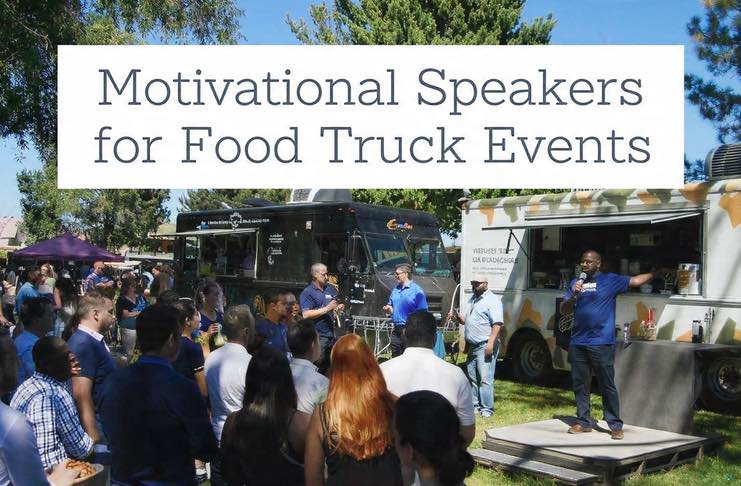
New York’s food truck scene has turned private parties, office gatherings, and family milestones into roaming feasts. When you host your own truck-fueled celebration or big corporate event, you may want something more than great tacos and ice cream to pull people together.
Opening the event with a motivational speaker can set a shared mood, give guests a reason to tune in, and connect the food to the story you want the gathering to tell. Used well, a speaker turns a casual line of trucks into a branded experience that people remember long after the last crumbs are swept away. In this post, as part of our street food blog, we’ll explore how motivational speakers can ignite your food truck event.
Key Takeaways
Motivational speakers can transform a food truck event into a memorable and branded experience, aligning with the event’s purpose and engaging guests effectively.
- Choosing a speaker who aligns with the event’s theme and goals, such as entrepreneurship or community pride, enhances the connection with the food truck event setting.
- Selecting speakers who understand and can engage casual, diverse crowds in a relaxed environment is crucial for the success of the event.
- Following up the speech with actionable ideas and continued engagement can extend the speaker’s impact beyond the event itself.
NYC Food Truck Event Goals Guide
Before you browse speaker rosters, decide what success means for your private event. A company might want employees to feel appreciated and re-energized around a new strategy. A nonprofit may hope guests leave more committed to a cause. A family could simply want relatives from different generations to laugh together while sharing a meal.
Once you know the purpose, choose a theme that fits both the message and the street-food setting. Food trucks are built on hustle, creativity, and neighborhood flavor, so topics such as entrepreneurship, resilience, community pride, and cultural curiosity feel especially natural. According to the Immigration Research Initiative, many New York vendors are small-business owners or immigrants who built something from scratch; inviting a speaker to nod to those journeys keeps the talk grounded in the scene unfolding around your guests.
New York Speakers Connect Guests
With clear goals, look for speakers who feel at home in New York energy. That might mean a local entrepreneur, a chef who has grown a mobile business, a community organizer, or a professional speaker who understands how to engage people who are half listening while balancing a paper plate. Some planners even explore high-energy personalities, such as Jesse Itzler, when they want big-stage flair for a casual setting.
Watch this video to get a glimpse of Jesse’s motivational speeches:
Watch full-length videos of past talks so you can see how the speaker handles informal settings, background noise, and diverse crowds. You are looking for authenticity, humor that does not punch down, and content that goes beyond cliché slogans. During a planning call, share details about your trucks, guest list, schedule, and any sensitive topics. The more context you provide, the easier it is for the speaker to tailor stories and references so guests feel seen rather than lectured.
Brooklyn food trucks frame keynote
At a food truck event, people expect to wander between menus, chat in clusters, and eat on their own timetable. Plan the speech for a moment when guests are gathered but not yet deep in conversation, such as after guests have arrived and taken a first bite. Keep the talk tight; often, fifteen to twenty minutes is enough to respect the relaxed, social feel of the setting.
Treat the speaker like one more key vendor alongside the trucks. Arrange a small riser or truck-side stage, clear sight-lines, and a reliable sound system, and coordinate with vendors so generators and music pause during the talk. Build fees, travel, audio equipment, and contingency funds into the same spreadsheet where you track event budget tips. If the event is in New York City, work only with operators who follow mobile food permits requirements so the celebration stays safe, legal, and welcome in the neighborhood.
New York Street Food Momentum
A motivational speaker’s impact should carry on after the last tray of sliders leaves the window. Ask the speaker to build the talk around one or two memorable ideas, such as taking small daily risks, showing gratitude across the team, or investing in neighborhood relationships that you can echo in follow-up emails, internal newsletters, or donor messages.
When you are ready to plan another gathering, build on what worked. Maybe guests loved hearing a speaker interview a truck owner on stage, or perhaps a short closing story felt better than a formal keynote.
Platforms such as NYSF’s food truck catering resources can help you match new vendors to your goals, while your experience with motivational speakers will make each truck-powered event smoother, more focused, and more inspiring than the one before.
Check out this NYFTA video to get a glimpse of what Food Truck events look like, and just imagine how a motivational speaker could fit right in there:
FAQ: Motivational Speakers at New York Food Truck Events
1. Why add a motivational speaker to a food truck event?
A speaker sets the tone, unites guests around a shared purpose, and elevates the gathering from “great food” to a memorable, branded experience.
2. What types of events benefit most from a speaker?
Corporate parties, nonprofit fundraisers, community events, team-building days, and milestone celebrations all gain more impact with a short, inspiring talk.
3. What themes work well with a food truck setting?
Topics tied to creativity, resilience, entrepreneurship, community pride, and cultural curiosity feel natural alongside New York’s street food energy.
4. How do I choose the right speaker?
Pick someone who thrives in casual, high-energy environments and can engage guests who may be eating, chatting, or wandering between trucks.
5. Should the speaker be from New York?
Not required, but helpful. Local speakers understand the city’s pace, humor, and food culture, making their message land more authentically.
6. When should the speech take place?
Right after guests grab their first bites, but before conversations get deep. A tight 15–20-minute talk is ideal.
7. What setup does the speaker need?
A small riser or stage, clear sight lines, a reliable sound system, and coordination with truck vendors to pause generators and music.
8. What should I tell the speaker in advance?
Share your event goals, guest demographics, schedule, truck lineup, and any sensitive topics so the message feels tailored and relevant.
9. How can the speaker involve food truck vendors?
Speakers can highlight vendor stories or even interview a truck owner live—a great way to honor local entrepreneurs.
10. How do I make sure the message lasts after the event?
Echo the speaker’s key ideas in follow-up emails, newsletters, social posts, or donor messages to extend the impact beyond the last bite.
- About the Author
- Latest Posts

Andrew Witkin is the founder and CEO of StickerYou, a global e-commerce leader in custom-printed, die-cut products. Passionate about empowering businesses and consumers through physical branding and personal expression, Andrew leveraged proprietary technology to transform a simple creative vision into a thriving global platform. With deep roots in brand management and consumer product licensing, he is a recognized authority on e-commerce, startups, and marketing strategy.