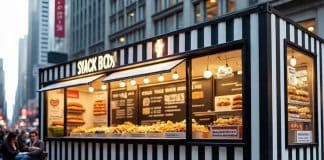

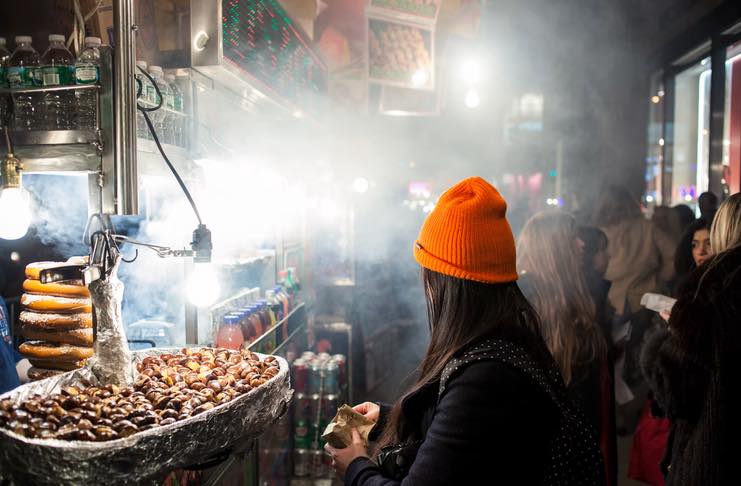
You start with soup dumplings in Chinatown, wander north for a bagel with lox on Houston Street, then walk a block east for pastrami on rye. By the third stop you’ve walked well over a mile, crossed more streets than you counted and lost track of time. That’s how a walking food tour in New York works. The city is built for eating on foot.
You don’t need a guide or a ticket to do it well. You need a route, a little restraint at each stop, and some street smarts. This guide shows how to put together your own self-guided food crawl, plus how to stay safe while you weave through traffic with a cannoli in hand.
Pick One Neighborhood, Not Five
The biggest mistake on a DIY food tour is trying to cover the whole city in a day. Choose a neighborhood that packs a lot of food into a few walkable blocks. Classic options:
- Chinatown, Manhattan. According to NYC Tourism, it sits below Grand Street and stretches from Lafayette Street to East Broadway. Dumplings, roast meats, bakeries and bubble tea are all within a short walk.
- Lower East Side. Russ & Daughters, which opened its first store in 1914, is the classic stop for smoked fish and bagels. Katz’s Delicatessen is close by for a pastrami detour.
- Flushing, Queens. Take the 7 train to the last stop, Flushing-Main Street, for food halls and bakeries packed into a few busy blocks.
- Arthur Avenue, the Bronx. The area is often called the Bronx’s “real Little Italy.” The indoor Arthur Avenue Retail Market dates to around 1940, and the surrounding blocks are lined with bakeries, delis and pastry shops.
Pick one, map out four to six stops, and leave room for surprises. Watch this awesome video for some inspiration:
Plan Small Bites, Big Distances
Pace yourself. Share plates, order one item per stop and walk between bites. The walking is part of the fun, and it makes room for the next stop.
Planning tips:
- Check hours before you go. Small shops and carts keep their own schedules.
- Bring cash and a card. Some vendors still prefer cash.
- Carry water and wet wipes. Street food gets messy.
- Wear real walking shoes. You’ll cover more ground than you expect.
- Go on a weekday if you can. Lines are shorter and sidewalks are calmer.
Street carts are part of the experience, too. NYC’s health department notes that the number of street food vendor permits the city can issue is limited by law, though new local laws are adding permits over the next few years. Watch this walking food tour of Manhattan to get inspired:
Stay Sharp at Every Crosswalk
Most food guides skip this part. A walking tour means spending hours as a pedestrian in one of the busiest cities in the country. Your eyes are on the next storefront, your hands are full and your phone is open to the map. That’s exactly when crossings get risky.
New York has been making progress. NYC DOT reported 205 traffic deaths in 2025, the fewest since records began in 1910. Pedestrian deaths fell from 122 in 2024 to 111 in 2025. That’s good news, but it still means more than 100 people were killed while walking.
Worth knowing, per NYC DOT:
- New York City’s speed limit is 25 mph unless otherwise posted.
- A pedestrian struck at 30 mph is twice as likely to be killed as one struck at 25 mph.
- Three out of four crashes occur at intersections.
- Drivers turning left deserve extra attention, so make sure you can be seen.
Simple Habits That Keep You Safe
You don’t need to walk the city nervously. These habits help:
- Stop eating at the curb. Finish the bite or pause before you step off. Crossing with a dumpling in one hand and a phone in the other is asking for trouble.
- Cross at crosswalks or intersections. NHTSA recommends it, and it’s where drivers expect you.
- Make eye contact with drivers. NHTSA advises waiting for a clear, complete stop before crossing.
- Use the head start when you get it. At some intersections, NYC uses Leading Pedestrian Intervals, which give people on foot a chance to start crossing before cars make turns across the crosswalk.
- Watch for turning cars. Even with the walk signal, a turning driver may not see you.
- Look up from the map. Check the route, then put the phone down for the crossing.
Nationwide, NHTSA counted 7,080 pedestrian deaths in 2024.
If something does go wrong on a busy street, get medical care first, then write down where it happened and who saw it. It also helps to know what to do if you’re hit by a car while walking, so you’re not figuring it out in the moment.
Build Your Own Route
Try this simple template for an afternoon crawl:
- Start with something savory and light, like dumplings or a knish.
- Walk 10 to 15 minutes to a second neighborhood favorite.
- Grab a drink stop for tea, coffee or a soda.
- Hit the big one, the sandwich or plate you came for, and split it.
- Finish with dessert, from a bakery you can’t find anywhere else.
Leave gaps between stops. Some of the best finds come from wandering a side street you didn’t plan on.
Eat Well, Walk Smart
A self-guided food tour is one of the best ways to see New York up close. You taste the city block by block, at your own pace and on your own budget. Keep your stops small, your shoes comfortable and your eyes up at every corner, and the only thing you’ll regret is not saving room for dessert.
- About the Author
- Latest Posts

Jeremy Hood is a Florida-born entrepreneur and digital media veteran who has spent the last decade building, growing, and scaling niche content sites across the web. With a background in accounting and hands-on experience running a retail franchise as COO, Jeremy brings a sharp, analytical eye to everything he covers — including his other great passion: food. A graduate of the University of Florida and a proud Gainesville local, Jeremy grew up on Florida’s lakes and the kind of casual, community-driven food culture that makes the South a quietly underrated culinary destination. Now writing for New York Street Food, he brings that same curiosity and systems-minded thinking to exploring NYC’s endlessly diverse street food scene — one cart, truck, and mom-and-pop storefront at a time.