

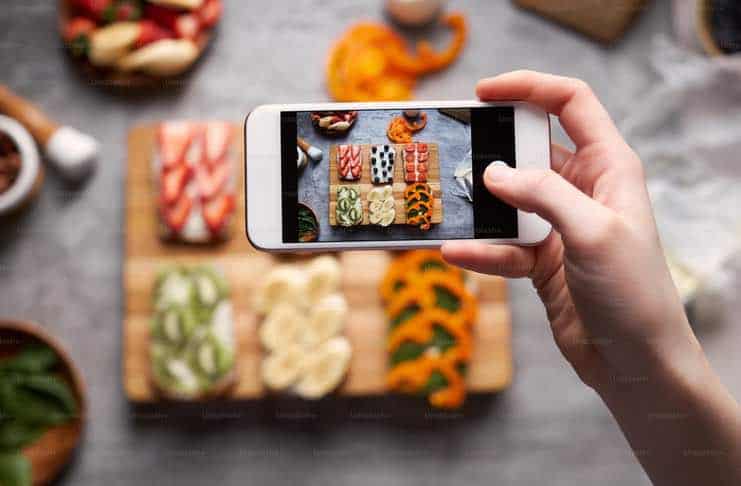
In the age of smartphones and social media, food has moved beyond the plate and onto the screen. Platforms like Instagram, TikTok, and Pinterest are filled with endless streams of meals, snacks, and desserts, each one competing for attention. Amidst the flood of content, certain food photos stand out. They make you pause mid-scroll, your eyes widening and your appetite awakening. What makes these images so powerful? The answer lies in psychology.
Scroll-stopping food photos are more than just beautiful images—they trigger emotional and sensory responses that shape how we perceive taste, quality, and even our desire to buy. Understanding the psychology behind them helps food brands, restaurants, and content creators capture attention in a crowded digital space. So without further ado, as part of our food marketing guide, in this post, we’ll explore the psychology behind the most amazing food photos.
Why Food Photography Captures Attention
Humans are wired to notice food. From an evolutionary perspective, paying attention to the sight of food increased our chances of survival. Even today, visual cues such as ripeness, color, and shine significantly influence how appetizing we find something.
On social media, this instinct translates into rapid engagement. Our brains can process visuals far faster than text, meaning a striking photo of melting chocolate or glistening noodles can spark interest before we’ve read a single caption. When a food photo captures the essence of freshness, indulgence, or comfort, it taps into primal desires that make us stop scrolling.
The Role of Color in Appetite Appeal
Color is one of the strongest psychological triggers in food photography. Bright reds and yellows stimulate appetite and excitement, which is why they’re commonly used in fast food branding. Greens signal freshness and health, while deep browns and golds suggest richness and warmth.
A vibrant salad photographed in natural light feels energizing, while a dark, moody shot of a steak conveys luxury and indulgence. Photographers and marketers use these color cues intentionally to shape perception and guide emotions.
Texture and Detail: Making Food Feel Real
Our brains love texture. Close-up shots of crispy fried chicken, gooey cheese pulls, or flaky pastry layers create a sense of realism that almost makes us taste the food. Texture signals freshness and quality—crisp lettuce looks healthy, while melted chocolate looks decadent.
Highlighting details through good lighting and angles amplifies this effect. Macro photography, for instance, brings out the grain in bread or the bubbles in a sparkling drink, inviting viewers to imagine the sensory experience of eating it.
The Psychology of Composition
Composition determines how the eye moves across a food photo. Certain techniques make images more appealing and memorable:
- Rule of thirds. Placing the focal point slightly off-center creates balance without rigidity. Read more about it on Wikipedia.
- Leading lines. Arrangements of utensils, napkins, or garnishes guide the viewer’s eye to the hero of the dish.
- Negative space. Clean backgrounds emphasize the food and create a sense of sophistication.
These principles, rooted in psychology and design, help viewers process images quickly and associate them with specific feelings—coziness, abundance, or elegance.
Watch this video to learn more:
Storytelling Through Food Photos
A powerful food photo often tells a story. It might suggest a lifestyle, a cultural tradition, or an emotional moment. A shot of pancakes drizzled with syrup on a Sunday morning table evokes comfort and family togetherness. A sleek sushi platter on a minimalist surface conveys refinement and modernity.
Props, backgrounds, and editing choices all contribute to these narratives. Rustic wood boards, linen napkins, or vintage cutlery can suggest heritage and authenticity. Bright, colorful backdrops may communicate playfulness and creativity. These elements ensure that the photo is not just about food but about the experience surrounding it.
Watch this video to learn more:
Social Media and the Science of Shareability
On platforms where users scroll rapidly, the psychology of attention is critical. Scroll-stopping photos succeed because they spark an instant reaction: delight, curiosity, or hunger. Research shows that emotionally charged content is more likely to be shared.
Food marketers lean into this by creating “wow factor” images—oversized milkshakes topped with donuts, rainbow-colored bagels, or dramatic cheese pulls. While not always representative of everyday eating, these visuals are designed to maximize engagement and spread virally.
Authenticity and Relatability
While dramatic images capture attention, authenticity is just as important. Audiences are increasingly savvy, and overly polished or artificial photos can feel staged. Photos that include natural imperfections—crumbs on a table, a spoon mid-stir, or a bite already taken—add relatability.
This authenticity builds trust. For brands, balancing polished photography with candid moments creates a sense of honesty and connection. Even professional stock photos, when chosen carefully, can play a positive role in this strategy. They provide professional polish while still aligning with brand values and storytelling, especially when custom shoots aren’t possible.
How Photos Influence Taste Perception
Food photography doesn’t just make us hungry—it can actually alter how we experience taste. Studies show that people report food tasting better when its visual presentation is appealing. A bright, vibrant smoothie photo may lead us to expect freshness, and that expectation enhances the actual tasting experience.
On the flip side, unappetizing photos can reduce enjoyment, even if the food itself hasn’t changed. This makes photography a crucial part of shaping not only perception but also customer satisfaction.
Watch this video by National Geographic to learn more:
Cultural Cues in Food Photography
What’s appetizing in one culture may not be in another. Brightly colored dishes might signal abundance in some places, while simplicity and minimalism are prized elsewhere. Global food brands adapt their photography to reflect these cultural cues, ensuring resonance across diverse audiences.
This cultural sensitivity not only improves engagement but also demonstrates respect for consumer values, further strengthening brand identity.
Practical Tips for Creating Scroll-Stopping Food Photos
For marketers, bloggers, and restaurant owners, the psychology of food photography can be applied with a few practical steps:
- Use natural light when possible. It enhances colors and reduces harsh shadows.
- Highlight texture. Show steam, crumbs, or drizzles to make food feel real.
- Keep it simple. Let the food be the star, with props supporting rather than overshadowing it.
- Think about emotion. Ask what feeling you want the photo to convey—comfort, indulgence, health, or fun.
- Adapt for platforms. Bright, bold images pop on Instagram, while clean, accurate photos are best for menus and websites.
The Future of Food Photography
As technology evolves, food photography is becoming even more interactive. Augmented reality (AR) may allow users to place a 3D version of a dish on their table before ordering. Artificial intelligence is making editing faster and more accessible. Yet, despite these advances, the core principles remain the same: lighting, composition, and storytelling.
Ultimately, the future of scroll-stopping food photos will be shaped by the same psychological truths that drive appetite today—our attraction to color, texture, authenticity, and emotion.
Final Thoughts
Scroll-stopping food photos don’t just happen by chance. They are carefully crafted to appeal to human psychology, tapping into primal instincts, cultural values, and emotional connections. From the shine of a perfectly glazed donut to the rustic charm of a homemade loaf, these images shape how we perceive and experience taste itself.
For brands and creators, mastering the psychology behind food photography isn’t just about getting likes—it’s about building trust, sparking cravings, and creating memorable experiences. Whether through custom shoots or thoughtfully chosen stock photos, compelling visuals remain one of the most powerful tools in modern food marketing.
Food is more than nourishment—it’s a story, an emotion, and an experience. And in the digital world, the way we capture it on camera is just as important as how it tastes on the plate.
FAQ: The Psychology Behind Scroll-Stopping Food Photos
What makes a food photo “scroll-stopping”? A “scroll-stopping” food photo is one that instantly grabs attention and makes a person pause while browsing social media. It achieves this by tapping into human psychology, using visual cues like vibrant colors, realistic texture, and strong composition to trigger emotional and sensory responses that make the food look appealing and delicious. It goes beyond a simple picture to evoke feelings of desire, comfort, or hunger.
Why are colors so important in food photography? Colors are a powerful psychological trigger. Bright reds and yellows can stimulate appetite, while greens signal freshness and health. Deep browns and rich golds suggest warmth and decadence. Food photographers use these color cues intentionally to influence how we perceive the food—a bright, colorful smoothie, for example, looks energizing, while a dark, moody steak conveys luxury. 🎨
How does texture influence our perception of food in a photo? Our brains are wired to respond to texture. Close-up shots that highlight the crispy, gooey, or flaky details of a dish create a sense of realism that helps us imagine the sensory experience of eating it. This detail makes the food feel more real and authentic, signaling freshness and quality. Think of a close-up of a flaky croissant or a cheese pull from a slice of pizza.
Can a food photo really make me feel a certain way? Absolutely. A good food photo tells a story and is designed to evoke specific emotions. For example, a rustic photo of a warm bowl of soup can make you feel cozy and comforted, while a sleek, minimalist shot of a sushi platter conveys elegance. These emotional connections, created through props, lighting, and composition, are what make the image memorable and compelling. 📖
Do I need a professional camera to take great food photos? No, you don’t. While professional equipment helps, the core principles of great food photography—lighting, composition, and storytelling—can be applied with a smartphone camera. The key is using natural light, paying attention to your angles, and focusing on the details that make the food look delicious and real. Many successful food bloggers and small businesses create stunning content using just their phones.
Why is authenticity important when so many photos are overly polished? While “wow factor” images can go viral, authenticity builds trust. Consumers are smart and can spot overly staged or artificial photos. Including natural imperfections, like a few crumbs on the table or a spoon mid-stir, makes the photo relatable and honest. This helps to create a genuine connection between the brand and the audience, which is just as important as capturing attention.