
Ask ten successful food truck owners what they would do differently if they were starting again, and you’ll often hear a similar answer: they would spend more time planning the truck itself.
Most first-time operators focus heavily on the menu, branding, and launch strategy. Those things matter, but the vehicle quickly becomes the center of daily operations. A poor layout, inadequate storage, or equipment that doesn’t suit the business can create problems every single day.
If you’re investing in a custom food truck, it’s worth taking a step back and looking beyond the excitement of getting on the road. The decisions made during the design and build process can affect profitability, efficiency, and growth for years to come.
Start With the Business, Not the Truck
One of the most common mistakes is choosing a vehicle before fully defining the business model.
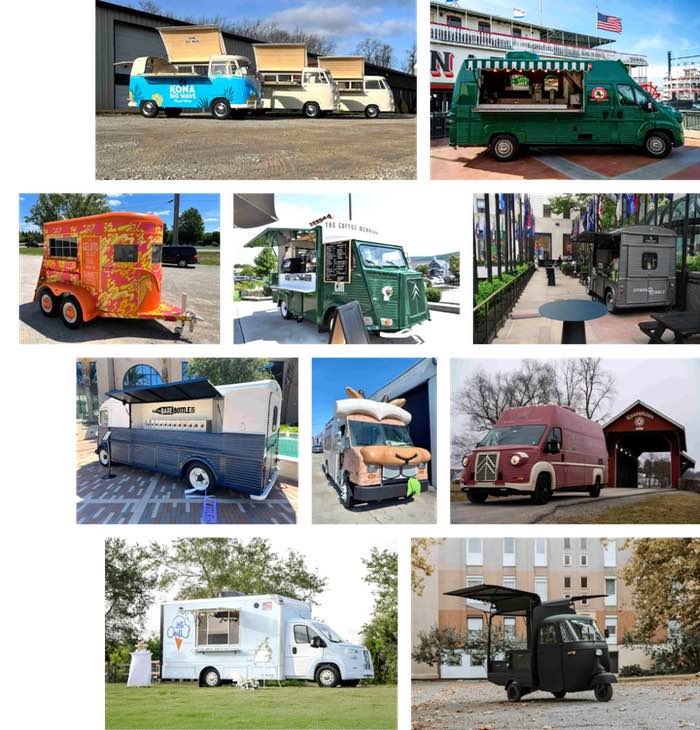
A truck designed for festivals has different requirements from one serving office districts five days a week. A specialty coffee concept needs a different layout than a burger operation. Even two businesses selling similar products may require completely different workflows depending on expected volume and staffing.
Before discussing layouts or equipment, it helps to answer a few simple questions:
- Where will the truck operate most often?
- How many staff members will be working inside?
- What items will make up the core menu?
- Will the business focus on events, daily service, or both?
The clearer the answers, the better the final build tends to be.
Don’t Underestimate Workflow
Many food truck owners discover too late that small layout decisions have a huge impact on service speed.
Something as simple as refrigerator placement or the distance between cooking and serving stations can affect how many customers you serve during a busy lunch rush.
The most successful food trucks combine eye-catching design with an efficient workflow. Great design helps attract customers, while a well-planned layout allows staff to serve them quickly and consistently during busy periods.
When reviewing build plans, imagine a busy service period. Where will staff move? Where will ingredients be stored? How easily can equipment be accessed during peak hours?
These practical questions often matter more than cosmetic features.
Watch this video for some more useful tips:
Compliance Should Be Part of the Design Process
Health department requirements, fire safety regulations, electrical systems, plumbing, and ventilation all need to be considered from the beginning.
Trying to address compliance after construction is complete usually leads to additional costs and delays.
Experienced operators often view compliance planning as an investment rather than an obstacle. Getting these details right from the start helps avoid unexpected problems when inspections take place.
Look Beyond the Initial Price
Every buyer has a budget, but focusing only on the lowest quote can be costly in the long run.
The true value of a food truck is measured over years of operation, not on the day it is delivered.
Durable materials, quality fabrication, reliable equipment, and thoughtful design can reduce maintenance issues and minimize downtime. For a business that generates revenue every day it operates, reliability has real financial value.
Many experienced operators would rather invest slightly more upfront than deal with recurring repairs and operational limitations later.
Choosing the Right Builder Matters
The build partner you select will influence almost every aspect of the finished vehicle.
The strongest builders do more than simply assemble a truck. They help owners think through workflow, operational requirements, compliance preparation, and long-term usability.
When comparing options, it can be useful to speak with experienced custom food truck manufacturers such as Karpatia Trucks, for example, where the design, layout, and finish are driven entirely by the client’s brief and business requirements.
It’s also worth asking what happens after delivery. Support, warranty coverage, and guidance during inspections can make a significant difference, particularly for first-time operators.
Think About Where the Business Could Be in Five Years
A food truck often starts as a single vehicle, but successful concepts frequently grow into something much larger.
Some expand into catering operations. Others add multiple trucks, permanent locations, or franchise models.
The most effective builds take future growth into account from the beginning. Additional storage, scalable equipment choices, and a strong brand presence can all support expansion later.
Final Thoughts
A custom food truck is one of the most important investments a mobile food business will make.
The goal isn’t simply to acquire a vehicle. The goal is to create a reliable platform that helps the business operate efficiently and grow sustainably.
By taking the time to define the concept, optimize workflow, plan for compliance, and choose the right build partner, entrepreneurs put themselves in a far stronger position for long-term success.
- About the Author
- Latest Posts

Monti Lawson is a farmer, land steward, and community builder whose relationship with food goes all the way to the soil. The founder and lead land steward of Catalyst Collaborative Farm and site supervisor and farmer-in-residence at WILDSEED Community Farm & Healing Village in the Mid-Hudson Valley, Monti spent over a decade as a community gardener and urban farmer in New York City before putting down roots in upstate New York. Grounded in the principles of agroecology, his work centers justice and equity — reimagining food systems as pathways for healing and empowerment, not just sustenance. A graduate of Farm School NYC, he has welcomed hundreds of community members from NYC to the farm through camping weekends, community work days, and seasonal festivals. He is a member of Black Farmers United of New York State, the Northeast Farmers of Color Land Trust, and the NYS BIPOC Grower Support Network, and served as the inaugural USDA Farm Service Agency County Committee representative for Manhattan and Staten Island in 2023. At New York Street Food, Monti brings a grower’s perspective to the conversation about where food comes from, who tends it, and why that matters.