

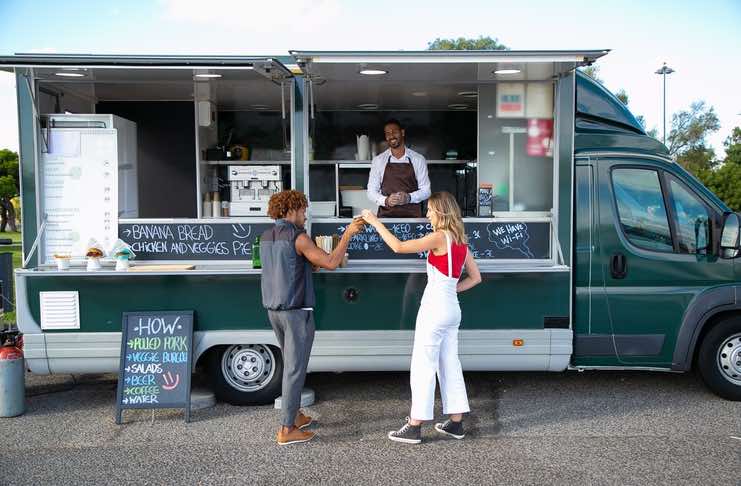
Food trucks can consistently book more private events by using a structured prospecting process instead of relying on word of mouth alone. A repeatable checklist helps identify qualified leads, organize outreach, and build relationships with event planners throughout the year.
Private catering opportunities often include corporate lunches, weddings, festivals, school events, fundraisers, and neighborhood celebrations. Each type of event has different needs, making preparation and targeted communication essential.
Successful prospecting combines good data, timely follow-up, and professional presentation. Following a simple checklist makes it easier to keep opportunities moving through the sales pipeline and turn inquiries into confirmed bookings.
Watch this video by Tim Tobitsch, who’s also known as The Sausage Sage. In this video he shares his useful tips on how to consistently book great food truck events:
Build a Qualified Event Lead List
Finding the right contacts is the foundation of any food truck catering sales strategy. Before reaching out, spend time comparing ZoomInfo B2B data and similar business information sources to better understand the types of organizations, venues, and decision-makers that regularly book food trucks for events.
Reliable B2B data helps food vendors identify qualified prospects more efficiently, allowing them to focus on organizations more likely to need catering services rather than spending time on unqualified leads.
Start by identifying organizations such as:
- Corporate offices
- Wedding venues
- Schools
- Event planners
- Community organizations
A focused list creates better outreach results than sending the same message to hundreds of unrelated businesses.
Watch this reel for more tips:
Define Your Ideal Catering Customer
Not every event will be the right fit for your food truck. Establishing your ideal customer profile helps you prioritize opportunities that match your menu, staffing, and equipment.
Consider factors like guest count, travel distance, service style, and pricing expectations. Narrowing your focus allows you to create stronger marketing messages that resonate with potential clients.
Important characteristics to define include:
- Event size
- Budget range
- Cuisine preference
- Service location
- Seasonal demand
Knowing exactly who you’re targeting improves both efficiency and conversion rates.
Prepare a Professional Sales Package
Event planners often compare several food vendors before making a decision. A polished sales package helps your business stand out while answering common questions before they’re asked.
Keep materials easy to review and visually appealing. Digital documents also make it simple for planners to forward information to other decision-makers.
Include materials such as:
- Sample menus
- Catering pricing
- Event photos
- Customer testimonials
- Insurance information
Providing complete information early helps build trust and speeds up the booking process.
And here’s another reel with great tips:
Personalize Every Outreach Message
Generic emails rarely generate strong responses. Personalizing each message shows you’ve researched the organization and understand the type of event they host.
Mention previous events, compliment their venue, or reference seasonal opportunities that fit your services. Short, conversational messages often receive better engagement than lengthy sales pitches.
Each outreach email should include:
- Brief introduction
- Relevant menu option
- Clear value proposition
- Call to action
- Contact information
Keeping messages concise makes them easier for busy planners to read and respond to.
Offer Tastings When Appropriate
Many clients feel more confident booking after sampling your food. Tastings allow planners to experience food quality, presentation, and customer service firsthand.
Corporate clients and wedding planners especially appreciate tasting opportunities before making larger catering commitments. Even small sample events can lead to recurring business relationships.
Tastings also provide opportunities to discuss:
- Dietary accommodations
- Serving logistics
- Event timing
- Staffing needs
- Equipment setup
Face-to-face conversations often strengthen trust and improve booking success.
Create a Consistent Follow-Up Schedule
Many catering opportunities require multiple touchpoints before a client commits. Organized follow-up keeps your business visible without becoming overwhelming.
Using a customer relationship management system or spreadsheet can help track conversations and schedule future outreach. Consistency is often more important than frequency.
Your follow-up process might include:
- Initial introduction
- One-week check-in
- Menu update
- Seasonal reminder
- Final follow-up
Maintaining regular communication increases the likelihood of staying top of mind when an event is ready to book.
Track Your Prospecting Results
Measuring your efforts helps identify which strategies generate the best return. Reviewing performance each month allows you to refine your prospecting process and invest more time in successful activities.
Monitor key performance indicators such as response rates, booked events, average catering value, and lead sources. Small improvements across several metrics can significantly increase annual revenue.
Keeping accurate records also helps forecast busy seasons and staffing needs while improving future marketing campaigns.
Turn Better Prospecting Into More Bookings
Successful food truck catering businesses treat prospecting as an ongoing business activity rather than something done only during slow periods. Organized lead generation, personalized communication, and consistent follow-up create a steady pipeline of private event opportunities throughout the year.
Building strong relationships starts with identifying qualified prospects and understanding their needs. By using reliable business information and maintaining an organized sales process, food truck owners can grow their catering business with greater confidence. Resources for comparing ZoomInfo B2B data can help businesses improve lead quality, identify the right decision-makers, and build a more effective prospecting strategy over time.