
A restaurant table is more than a place where guests eat. It is an important part of the overall dining experience and can influence how customers perceive a venue from the moment they sit down. Well-chosen accessories, organized table settings and thoughtful details can make a restaurant feel more comfortable, professional and consistent with its brand.
Good restaurant table presentation does not require excessive decoration. The most effective approach combines attractive design with practical solutions that support both guests and staff.
Create a Balanced Table Setting
The first step is to make sure every element has a clear purpose. Plates, glasses, cutlery, napkins and other essentials should be arranged conveniently without making the table feel crowded.
Table accessories can help create a more organized environment. According to The Spruce Magazine, napkin holders and cutlery organizers, for example, keep frequently used items accessible while reducing unnecessary clutter.
The type of restaurant you have is a big factor in choosing the right decorations. For a casual cafe, simple things that work well are best. But for a fancier restaurant, you might want to use nicer things like real leather, wood, or other high-quality materials to make it look nice inside.
Make Information Easy to Access
Guests often need access to more than just the food menu. Restaurants may want to promote seasonal dishes, drinks, special offers, QR menus, loyalty programs or upcoming events.
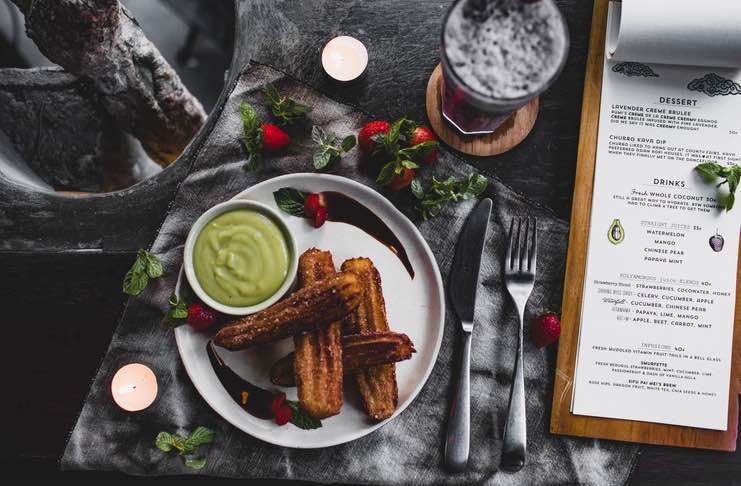
Table stands are really handy for showing information right where guests will notice it. They’re small, so they fit perfectly on dining tables, counters, bars, and even in hotel hospitality areas. This makes it easy for people to see what they need to know, and it’s a great way to keep them informed. Plus, the compact size of table stands means they won’t take up too much space, making them a practical choice for lots of different settings.
View this post on Instagram
When selecting a tabletop display, consider factors such as:
- The amount and type of information being displayed
- Available space on the table
- Visibility from the guest’s seating position
- Compatibility with the restaurant’s interior
- Material, durability and ease of maintenance
A practical display should attract attention without becoming a distraction.
Choose Materials That Match the Interior
The stuff used on a restaurant table really matters for how it looks. Even tiny things like accessories can help create a certain feel, which is also made by the furniture, lights, and decorations.
Natural wood can introduce warmth and an organic feel, making it suitable for rustic, contemporary and relaxed dining concepts. Leather can create a more sophisticated appearance, particularly in upscale restaurants, lounges and hotels. Acrylic offers a clean and modern alternative that works well when businesses want information to remain highly visible.
Using complementary materials across menu covers, table displays, check presenters and other accessories can create a more unified look.
Connect Table Presentation with Your Brand
Restaurant branding is not limited to signs, logos or wall graphics. The objects guests interact with during their visit can also communicate the character of a business.
You can make your tables really special with custom tabletop accessories. These can be made to match your brand, with your colors and logo on them. You can even choose the materials and design details to make them fit in with your style. This is especially great for restaurants that want their tables to stand out and not look like everyone else’s. It’s a way to add some personality to your tables and make them feel more unique.
Consistency is also important for hospitality groups with multiple locations. Coordinated products can help maintain a recognizable visual identity while allowing individual venues to adapt their table settings to different spaces. Check out this Pinterest page for some inspiration.
Keep Functionality at the Center
A table that looks great is one thing, but it’s also really important that it works well when it’s being used every day. The people working there need to be able to clean it, move it around, and add or remove things from it quickly and easily. And for the guests, it should be simple and intuitive to use, so they can just focus on enjoying their time.
When it comes to restaurant accessories, you also need to think about how well they can withstand daily use. These items get handled a lot, spilled on, and cleaned regularly, so it’s really important that they’re made with good quality materials and built to last. This can make a big difference in how long they stay in good condition.
It is also worth considering how easily printed information can be updated. Restaurants that frequently change menus, promotions or seasonal offers can benefit from displays and holders designed for quick content replacement.
Watch this video for some more useful tips:
Small Details Shape the Guest Experience
The best restaurant table presentation is rarely about one impressive item. Instead, it comes from combining several practical details into a coherent setting.
A nice table setting can make a big difference in how fancy a restaurant feels. If the menu looks good, the cutlery is arranged nicely, the napkin holder is pretty, and the table stands are chosen carefully, it all comes together to create a more elegant atmosphere. When all these things have a similar style, it makes the table feel like a natural part of the restaurant’s decor and overall brand. This helps to create a nice impression on customers and makes the dining experience more enjoyable.
For businesses that welcome guests, getting the right things for the table is important. It’s not just about how things look, it can also help make service better, make it easier for people to understand each other, and make sure everyone has a similar experience.
By balancing aesthetics, functionality and brand identity, restaurants can turn an ordinary dining table into a thoughtful part of the overall customer experience.
Further Reading: NYC Street Food Guides
- Jackson Heights Himalayan Street Food Guide — Momos, laphing, and the full Tibetan-Nepali-Bhutanese crawl along Roosevelt Avenue
- NYC Halal Cart Guide — The definitive breakdown of the city’s halal cart corridors, sauce science, and 20-cart vendor matrix
- NYC Street Taco Guide — Birria, al pastor, suadero, and the taco truck scene from Corona to Red Hook to Midtown