

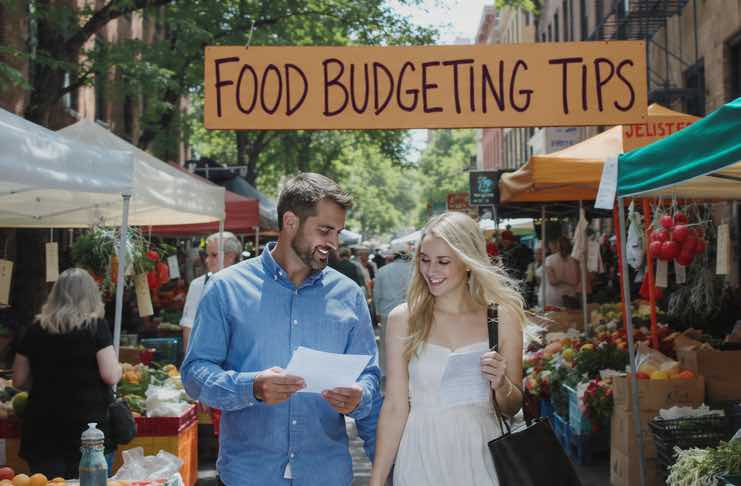
With rising food prices globally, many households are feeling the pinch of grocery bills that eat into monthly budgets. The good news is that effective food budgeting can help you save money while eating well. In this post, as part of our food tips and advice, we’ll explore some very useful food budgeting tips and secrets that’ll definitely help you on your day-to-day!
From tracking expenses to strategic meal planning and savvy shopping practices, numerous strategies can transform the way you approach grocery shopping and meal preparation. Below, you’ll find actionable tips to help you manage your food budget without sacrificing the nutrition and enjoyment of meals.
Understanding Your Current Food Spending
Before adjusting your budget, understand how much you currently spend on food. Tracking your expenses provides insight into where your money goes, helping to identify patterns and areas that may need adjustments.
Review receipts from the last month or utilize budgeting apps to gather data on your food expenses. Categorizing these expenses into categories like groceries, dining out, and snacks can reveal surprising insights.
Check out this reel by Humphrey to learn how he tracks his expenses (great tips!):
With a clear picture of spending habits, you can pinpoint specific areas to target for savings. The rising price inflation on produce makes it more necessary to incorporate these tips for fighting grocery inflation to cut unnecessary costs and optimize your grocery experience. Be aware of your current food spending to make informed decisions about where and how to allocate your budget.
Creating a Realistic Food Budget
To create a realistic budget, set a monthly limit based on your income and essential expenses. Factor in any special occasions or events where additional spending may be expected, including holidays and celebrations.
Don’t forget to account for periodic bulk purchases to save money later on. Utilize the 50/30/20 rule, where 50 percent of your income goes to needs, 30 percent to wants, and 20 percent to savings. When you structure your budget with precise figures, you can enjoy dining out occasionally while still working within your financial framework.
Watch this video for some more tips on food budgeting:
Effective Meal Planning Practices
Meal planning is a powerful tool for controlling food costs and meeting nutritional needs. Assess the week’s schedule to determine which nights require a quick meal and which allow for more preparation time. Planning meals around grocery store sales and seasonal produce can reduce food bills.
Develop a weekly menu featuring a mix of protein sources, grains, and vegetables to secure balanced meals. Be sure to include lunches and snacks in your planning to avoid unplanned takeout expenses during busy days. As you gain comfort in meal planning, consider batch cooking, which involves preparing larger quantities to eat throughout the week or freeze for later use.
Watch this Mom who’s doing it right:
Creating a Grocery List and Sticking to It
Shopping without a list can lead to impulse buying and unwanted items finding their way into your cart. To avoid this from happening in the first place, create a comprehensive grocery list based on your meal plan to make shopping more efficient and cost-effective. Organizing your list according to grocery store layouts can save time in the aisles and reduce the temptation to pick up non-essentials.
Before hitting the store, check your pantry and refrigerator to avoid purchasing items you already own. Stick to your list during shopping, resisting the urge to deviate for unplanned snacks or items that catch your eye. Use apps or digital tools to create and manage grocery lists in the easiest and fastest way possible.
Also – avoid making food shopping mistakes like taught by Mike:
Shopping Smart and Utilizing Store Discounts
Once you’ve prepared your list, it’s time to hit the grocery store with a strategy. Take advantage of store discounts, loyalty programs, and digital coupons that can lead to significant savings. Evaluate circulars or newsletters from local stores for upcoming sales before shopping.
Many stores offer promotions on seasonal produce or bulk purchases, providing an opportunity to save. Combine manufacturer coupons with store discounts for even greater savings when possible. Don’t be afraid to compare prices between different brands or store types to find the best deal for your needs. Smart shopping empowers you to choose quality products and reduce unnecessary spending.
Minimizing Food Waste
Food waste is one of the biggest contributors to environmental issues. The solution might be to prioritize food storage practices that maximize freshness and longevity. Your refrigerator must be at the appropriate temperatures and store perishables properly to extend their shelf life.
Use leftover ingredients creatively in new meals to avoid discarding food. Keeping track of items in your pantry can help you plan meals around them and allow you to utilize what you already have. When you engage in food preservation techniques, such as freezing or canning seasonal produce, you can create more versatile ingredients and lower waste.
Embracing Plant-Based Meals for Cost Savings
Incorporating more plant-based meals into your diet can be a great way to save money while benefiting your health. Vegetables, grains, and legumes are more affordable compared to high-priced meats and processed foods. By experimenting with meatless meals a few times a week, you can savor delicious and nutritious options at a fraction of the cost.
Plant-based meals offer flexibility and can be adapted to incorporate seasonal produce, optimizing savings further. Research shows that plant-based diets are linked to lower grocery expenses for those willing to explore new recipes and cooking methods. Embrace vegetarian meals to improve your culinary skills and enjoy a variety of flavors on a budget.
Watch this awesome video for some more useful tips:
Reviewing and Adjusting Your Food Budget Regularly
Regularly review your food budget for long-term success. Set aside time each month to assess how well your budget aligns with your spending patterns. Examine receipts and track expenses to identify areas that require adjustment. If you find that you consistently overspend in a certain category, reallocate your budget to account for it.
If you are switching jobs, gaining or losing family members, or changing dietary preferences, you must take this step to the next level. Adjust your food budget for higher flexibility and encourage continuous refinement.
Eating on a budget does not have to mean compromising on quality or taste. With these simple tips, you can achieve financial stability and still enjoy delicious meals. Each of these practices encourages a more mindful relationship with food, which can contribute to better health and satisfaction. With some determination, you can shift your approach to food budgeting for improved results.
Frequently Asked Questions: Food Budgeting Tips & Smart Shopping Secrets
This FAQ addresses common challenges in managing food expenses, from tracking spending to reducing waste and shopping smarter.
Tracking & Budget Creation
Q: How do I start understanding my current food spending? A: Before adjusting anything, you must track your expenses. Review receipts from the last month or use a budgeting app. Crucially, categorize your spending into groceries, dining out, and snacks to reveal patterns and pinpoint where costs are highest, especially with rising inflation.
Q: What is a good framework for setting up a realistic food budget? A: Set a firm monthly limit based on your income and essential needs. A helpful guideline is the 50/30/20 rule (50% Needs, 30% Wants, 20% Savings). Remember to factor in costs for periodic bulk purchases and special events/holidays.
Meal Planning & Shopping Strategy
Q: How can meal planning actively help me save money? A: Meal planning controls costs by preventing unplanned purchases. Develop a weekly menu that deliberately uses items currently on grocery store sales or that are seasonal produce. Always plan for lunches and snacks to avoid expensive, last-minute takeout expenses.
Q: What is the best way to stick to my grocery list? A: First, create a comprehensive list based on your meal plan after checking your pantry and refrigerator to avoid duplicates. Second, organize your list according to the layout of the store you frequent. Finally, strictly resist the urge to deviate for impulse buys while in the aisles.
Q: How can I maximize savings at the grocery store? A: Hit the store strategically. Take advantage of store discounts, loyalty programs, and digital coupons listed in store circulars. Look for promotions on seasonal produce and aim to combine manufacturer coupons with store discounts for maximum impact. Compare prices between store brands and name brands.
Waste Reduction & Dietary Choices
Q: What is the biggest contributor to food budget loss, and how can I stop it? A: Food waste is a major expense leak. Maximize freshness by ensuring your refrigerator is at the correct temperature and storing perishables correctly. Creatively use leftovers in new meals and plan your weekly meals around ingredients you already have in your pantry.
Q: Are plant-based meals a genuine cost-saving measure? A: Yes. Vegetables, grains, and legumes are generally more affordable than high-priced meats and processed foods. Experimenting with meatless meals a few times a week can significantly lower your grocery bill while providing nutritious options.
Long-Term Success
Q: How often should I review and adjust my food budget? A: Regularly, ideally every month. Assess if your spending patterns align with your budget figures. If you consistently overspend in one area (like dining out), reallocate funds to make the budget flexible and sustainable long-term. Adjustments are also necessary if your life circumstances change (e.g., job change, new family member).
- About the Author
- Latest Posts

Emma Wrayne Rudy is an NYC-based food writer and storyteller dedicated to uncovering the city’s best hidden gems. Her passion for the culinary world sparked at age 17 in Los Angeles, where she spent her days exploring neighborhood eateries and documenting her dining experiences. Now immersed in New York City’s endless food scene, Emma shines a spotlight on the diverse, affordable, and underrepresented culinary cultures that define the five boroughs—from historic food carts and mobile trucks to beloved “mom-and-pop” storefronts.