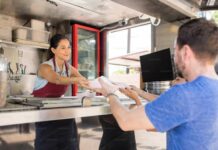

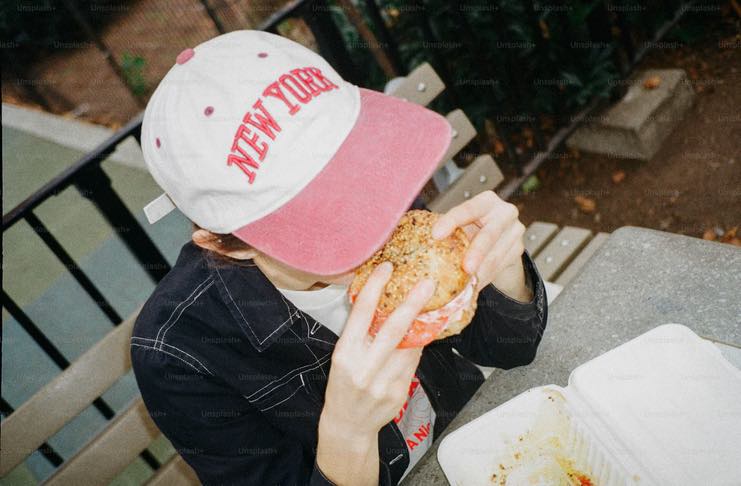
Have you ever noticed how satisfying it feels when you grab a hot and fresh meal from a New York food truck? The food smells amazing when you buy it. But if you take it back to the office or home, that same meal might not be as appetizing after a few minutes. The fries have gone soft, the bread has soaked up the sauce, and there is grease at the bottom of the bag.
Anyone who regularly buys street food knows the problem. The food has been cooked perfectly; the problem is in the way it travels.
REAL PEOPLE TALKING
In r/AskNYC, u/SmooveOperaAter pointed out that “what makes fries bad is that when they are delivered in enclosed boxes the steam has nowhere to escape so the fries just get soggy.” Another commenter noted places that leave the box partially open so the fries arrive crunchy.
Why Packaging Matters in NYC’s Fast-Paced Street Food Culture?
People hardly have time to sit down for lunch in New York. Office workers carry food back to their desks. Students grab something between classes. Some people eat standing outside the truck because they are too hungry to wait.
And then there is the subway. Holding a loaded rice platter, a drink, and your phone on a crowded train is not fun at all. One loose lid and your lunch turns into a mess.
That is why it is really important how the food is packed, even for a five-minute walk.
How Takeout Packaging Helps Preserve Food Freshness?
When the fried chicken comes out of the fryer, its coating is crunchy, the inside is juicy, and everything is still hot.
Now if you put that chicken into a completely sealed container, steam starts building up. In no time, moisture collects on the lid, and the crispy coating begins to soften. Fries face the same problem. So do fried dumplings and breaded fish sandwiches.
All they need is some space to escape steam, not too much- to make the food exposed and cool faster. Getting that balance is tricky.
Greasy foods have other issues. A hot cheesesteak or sausage sandwich can quickly soak through a thin paper wrapper. Nobody wants the oil stain on their shirt halfway through lunch.
To avoid this, you can try something as simple as keeping cold toppings like lettuce and tomatoes separate from hot meat to help them stay fresh.
Watch this video to learn more:
REAL PEOPLE TALKING
A food-truck owner in r/foodtrucks asked for recommendations on vented to-go containers specifically “so our fries and sandwiches don’t get soggy.” Commenters suggested brown paper lunch bags left open until pickup, or simply cutting vents in the lid.
Packaging Challenges for Popular NYC Street Foods
Burgers
A good burger that is messy halves its appeal. You have got melted cheese, meat juices, sauce, and maybe a few toppings trying to escape.
The problem starts when all the moisture gets trapped against the bread. A little breathing room helps the bun hold up, while a grease-resistant liner catches the drips. If the burger comes with plenty of sauce, packing a little extra on the side makes sense.
French Fries
French fries are one of those foods that really shouldn’t sit around for long. Even five or ten minutes can change their texture. A vented carton gives steam a way out. It also helps to keep fries away from a burger that is still giving off heat and moisture.
Of course, cheese fries are another story. If they are covered in melted cheese and gravy, nobody expects them to stay crispy. You just want the toppings to stay in the container rather than ending up in the bag. Watch this reel for some ideas:
REAL PEOPLE TALKING
In r/FoodNYC someone summed up the delivery-fry problem bluntly: “Delivery fries are HARD. Soggy cold fries are useless.” They noted one favorite spot became mediocre after it changed its container.
Pizza
A proper New York slice should be hot, foldable, and easy to eat with one hand. But pizza can get sweaty inside a closed box, especially when it is fresh out of the oven. A sturdy box with some ventilation helps protect the crust. Single slices need enough support that the cheese and topping don’t slide off during the walk home.
REAL PEOPLE TALKING
In r/AskCulinary a delivery operator described huge plumes of steam when opening pizza bags and boxes that arrive damp. Commenters recommended boxes with push-in ventilation tabs and not fully sealing delivery bags.
Sandwiches
Consider bacon, egg, and cheese from a neighborhood bodega. Mostly, it is tightly wrapped in paper, and that works pretty well for a quick breakfast.
A sandwich filled with meat, cheese, tomatoes, and sauces can get soggy if it sits too long. The sauces and moisture from the fillings can soak into the bread. Wrapping the sandwich properly keeps everything in place without making it flat.
Street Tacos
Tacos can look perfect at the counter and fall apart on the way home. The meat shifts, onions spill out, and salsa ends up everywhere.
Keeping the tacos upright and packing salsa separately makes eating them much easier. It is a small detail, but this customer can enjoy their tacos without making a mess. Watch this reel for some ideas:
Choosing the Right Packaging for Food Trucks and Takeaway Vendors
A container that works for a rice bowl might be terrible for a burger. Food trucks have to think about what they are serving before deciding how to pack it.
Something deep and sturdy works for saucy noodles or chicken over rice. Fried food needs a little airflow. Sandwiches usually need a wrap that holds them together without flattening the bread.
For food trucks and restaurants, choosing custom food boxes can help protect meals during transportation and improve the overall takeaway experience.
The material needs to be food-safe and suitable for the meal’s temperature and grease content. Lids should also stay closed when customers pick up the container.
And don’t forget the lunch rush. If a box takes forever to assemble or won’t stack properly, it can slow things down when a line of hungry customers is waiting.
The Role of Sustainable Packaging in NYC Street Food
Street food can create a surprising amount of trash. A sandwich comes with a wrapper, a bag, napkins, sauce packets, and sometimes plastic utensils nobody asked for.
Cutting back on unnecessary extras is a reasonable place to start. Recyclable packaging is not always recyclable once it is covered in food residue, and local recycling rules matter. Compostable containers need access to facilities that accept them. Reusable containers can work, but someone has to collect and wash them properly.
There is no point switching to a container that leaks everywhere, either. Vendors need something practical for the food they are selling.
Small Packaging Improvements That Make a Big Difference
Food truck owners can start by testing their to see how well it works during delivery or takeaway.
For example, pack a hot burger, fries, or rice platter just like you would for a customer. Carry the bag around for 10-15 minutes, then open it and check the food. Are the fries still crispy? Has the sauce leaked? Is the food still in good shape? This simple testing can help you find problems before customers experience them.
It is also a good idea to talk to the staff who pack orders every day. They mostly know which containers leak, which lids don’t close properly, and which meals are difficult to pack.
Once you know what’s going wrong, you can make small changes. Using the right container size, choosing stronger lids, or packaging sauces separately can help keep meals fresh and prevent spills. These little improvements can make takeaway food easier and more enjoyable for customers.
Final Words
New-Yorkers buy street food because it’s quick, filling, and tastes good. Nobody wants to spend twenty minutes getting lunch only to open a bag of soggy fries and spilled sauce.
Good packaging won’t make a bad burger taste better. But it can stop a good one from turning into a disappointing lunch before the customer gets to eat it.
- About the Author
- Latest Posts

Emma Wrayne Rudy is an NYC-based food writer and storyteller dedicated to uncovering the city’s best hidden gems. Her passion for the culinary world sparked at age 17 in Los Angeles, where she spent her days exploring neighborhood eateries and documenting her dining experiences. Now immersed in New York City’s endless food scene, Emma shines a spotlight on the diverse, affordable, and underrepresented culinary cultures that define the five boroughs—from historic food carts and mobile trucks to beloved “mom-and-pop” storefronts.