

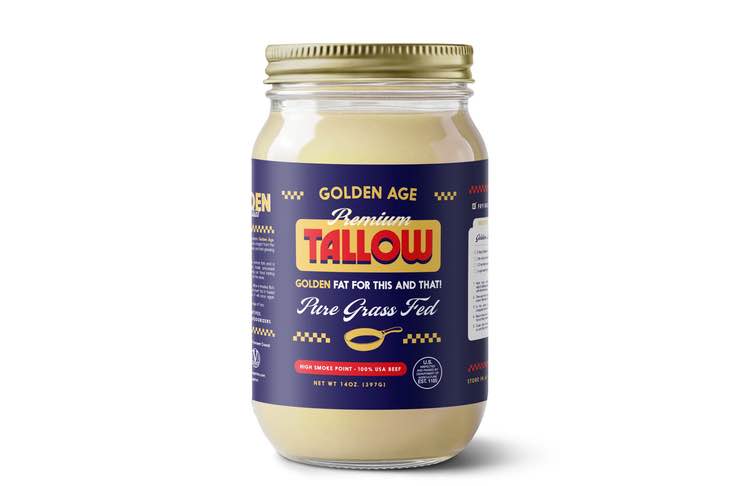
In recent years, beef tallow has emerged as a favorite ingredient in the world of street food, winning over chefs and food lovers. This rich and flavorful fat, rendered from beef, is making a comeback due to its unique taste and versatile cooking properties. Historically, beef tallow was a staple in kitchens across cultures, valued not only for cooking but also for making candles and soaps. Its cultural importance is clear in its widespread use across various cuisines, from European to Asian dishes. In this article, as part of our street food blog, we’ll explore the benefits of beef tallow, offer cooking tips, and discuss its sustainability, giving you all the reasons to consider it in your culinary adventures.
What is Beef Tallow?
Beef tallow is a type of fat taken from beef. It is made by slowly cooking beef fat to separate the pure fat from any meat or impurities. According to Bon Appétit, this golden, creamy fat was traditionally used in cooking for its rich flavor and high smoke point, making it ideal for frying, roasting, and baking.
Historically, beef tallow was a common cooking ingredient and was also used in making candles, soaps, and even as a lubricant. Its versatility made it a household staple before the rise of vegetable oils. Today, beef tallow is experiencing a resurgence in popularity as chefs and home cooks rediscover its culinary benefits. It’s being embraced in modern kitchens for its ability to enhance flavors and provide a satisfying texture to dishes.
Beef tallow’s return to the culinary scene is not just about nostalgia; it matches a growing interest in traditional cooking methods and natural ingredients. As people become more conscious of what goes into their food, beef tallow offers a natural alternative to processed oils, adding depth and richness to meals.
Beef Tallow Benefits and Comparisons
Beef tallow is gaining attention not only for its flavor but also for its great nutritional value. According to WebMD, here’s why beef tallow is a great choice for cooking:
- Nutritional Benefits: Beef tallow is rich in healthy fats, including omega-3 and omega-6 fatty acids, which are important for brain health and lowering inflammation.
- High Smoke Point: With a smoke point of around 400°F (204°C), beef tallow is ideal for frying and high-heat cooking, allowing food to cook evenly without breaking down the fat.
- Flavor Enhancement: Its rich and savory flavor enhances the taste of dishes, making it a favorite in street food for that authentic taste.
- Skin Benefits: Beef tallow is known for its skin-nourishing properties, often used in natural skincare products to moisturize and repair the skin.
Watch this video to learn more:
When comparing beef tallow to other cooking oils, it stands out for its stability and health benefits. According to the Mayo Clinic, choosing oils with high smoke points and beneficial fats can support a healthy diet. Beef tallow meets these criteria, making it a strong contender among healthy cooking oils.
How to Make and Store Beef Tallow
Making beef tallow at home is a straightforward process. According to MasterClass, here’s a simple guide to help you create your own:
- Gather Ingredients: You will need beef fat, preferably from organic or grass-fed sources, to ensure the highest quality.
- Prepare the Fat: Cut the beef fat into small pieces to help it melt evenly.
- Render the Fat: Place the fat in a slow cooker or heavy-bottomed pot. Heat on low until the fat melts, stirring occasionally.
- Strain the Tallow: Once fully melted, strain the liquid tallow through a fine mesh strainer or cheesecloth to remove any solids.
- Store Properly: Pour the strained tallow into a clean jar or container. Allow it to cool and solidify at room temperature before sealing.
For sourcing, look for organic beef tallow from trusted local farms or specialty markets. After making it, keep your beef tallow in a cool, dark place. It can last for several months at room temperature, and even longer if refrigerated or frozen. Many trusted sources, like Golden Age Fats, are pioneering innovative approaches to beef tallow solutions using advanced methods.
Watch this video to learn more about how to make beef tallow:
Environmental Impact of Cooking Oils
When it comes to choosing cooking oils, sustainability and ethical choices are very important. Beef tallow, derived from animal fat, offers some advantages over plant-based oils in terms of environmental impact. Here’s why:
- By-product Utilization: Beef tallow is often a by-product of the meat industry, meaning it utilizes parts of the animal that might otherwise go to waste. This can help us use resources more sustainably.
- Local Sourcing: Many producers of beef tallow source their raw materials locally, which can reduce the carbon footprint associated with long-distance transportation.
- Lower Land Use: Compared to some plant-based oils, beef tallow production may require less land. This is because it does not rely on large-scale agricultural practices that can lead to deforestation and habitat destruction.
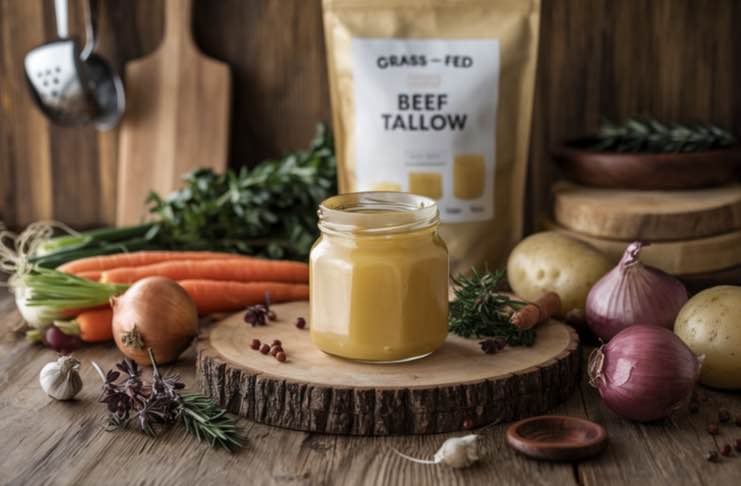
In a rustic kitchen setting, a jar of high-quality, grass-fed beef tallow is prominently displayed among fresh vegetables and herbs, capturing the essence of traditional culinary practices with warm, earthy tones that evoke authenticity and appeal to those following Paleo, keto, carnivore, or ancestral diets.
Where to Buy Beef Tallow
Finding high-quality beef tallow is easier than you might think. Here are some tips on where to purchase it:
- Online Stores: Many online retailers specialize in organic and grass-fed beef tallow. Websites like Amazon and specialty food sites often carry a variety of options.
- Local Farmers Markets: Check out local farmers’ markets for vendors who sell organic beef tallow. This can be a great way to support local businesses and ensure quality.
- Health Food Stores: Many health food stores stock beef tallow, especially those that focus on natural and organic products.
- Butcher Shops: Some butcher shops offer beef tallow, especially if they focus on whole-animal butchery. It’s worth asking your local butcher if they have any available.
Whether you’re purchasing online or locally, always look for beef tallow that is labeled as organic or grass-fed for the best quality and flavor.
Cooking with Beef Tallow
Beef tallow is a versatile ingredient that can transform your street food creations into something truly special. Its rich flavor and high smoke point make it ideal for various cooking methods. According to Martha Stewart, here are some tips and recipes to get you started:
- Frying: Use beef tallow for frying foods like French fries, chicken, or doughnuts. Its high smoke point ensures a crispy texture without burning.
- Roasting: Coat vegetables or meats with beef tallow before roasting. This adds a deep, savory flavor while helping them brown beautifully.
- Baking: Substitute beef tallow for butter or oil in baked goods like pie crusts and biscuits for a tender and flaky result.
- Sautéing: Use a small amount of beef tallow to sauté onions, garlic, or other aromatics for an extra boost of flavor.
Experiment with beef tallow in your favorite street food recipes to discover its unique qualities. Whether you’re making classic dishes or trying something new, beef tallow can elevate your cooking.
Watch this reel to learn more:
Conclusion
Incorporating beef tallow into your cooking routine offers numerous benefits. From its flavor-enhancing properties to its high smoke point, beef tallow is a valuable addition to any kitchen. Its versatility in different cooking methods makes it a favorite among street food enthusiasts and home cooks alike.
By choosing beef tallow, you’re not only enhancing the taste of your dishes but also making a sustainable choice. As you explore the world of beef tallow, remember to source high-quality options, such as organic beef tallow, to ensure the best results.
Ready to elevate your culinary creations? Explore the possibilities of beef tallow and transform your street food into a flavorful masterpiece.
🥩 Beef Tallow: Frequently Asked Questions (FAQ)
Understanding and Benefits
Q: What exactly is beef tallow?
A: Beef tallow is rendered beef fat. It’s made by slowly cooking beef fat to separate the pure fat from any remaining meat or impurities, resulting in a golden, creamy cooking fat.
Q: What makes beef tallow a good choice for cooking street food?
A: Tallow is excellent for street food due to its rich, savory flavor and its high smoke point (around $400^\circ$F or $204^\circ$C). This stability allows you to fry and cook at high heat, ensuring a perfectly crispy texture without the fat breaking down.
Q: Is beef tallow a healthy fat?
A: Yes, beef tallow is rich in healthy fats, including omega-3 and omega-6 fatty acids. When sourced from organic or grass-fed beef, it can be a nutritious alternative to many processed vegetable oils.
Q: Why is beef tallow gaining popularity again?
A: Its resurgence is driven by a growing interest in traditional cooking methods, natural ingredients, and its compatibility with popular diets like Paleo, Keto, and Carnivore. Chefs and home cooks appreciate its ability to add depth and richness to meals.
Making, Storing, and Sourcing
Q: How do I make beef tallow at home?
A: The process involves three simple steps:
- Prepare the Fat: Cut beef fat (preferably grass-fed) into small, even pieces.
- Render the Fat: Heat the fat slowly in a slow cooker or heavy pot until it completely melts.
- Strain and Store: Strain the liquid through cheesecloth or a fine mesh to remove solids, then cool and solidify it in a jar.
Q: How should I store homemade or purchased beef tallow?
A: Tallow should be stored in a clean, sealed container in a cool, dark place. It can last for several months at room temperature, and even longer if you refrigerate or freeze it.
Q: Where is the best place to buy high-quality beef tallow?
A: Look for beef tallow that is labeled as organic or grass-fed. Great sources include:
- Local Farmers’ Markets and Butcher Shops (often specializing in whole-animal butchery).
- Online Retailers and specialty food sites.
- Health Food Stores that focus on natural products.
Sustainability and Culinary Use
Q: Is beef tallow a sustainable choice compared to other cooking oils?
A: Beef tallow is considered a more sustainable choice by many because it is often a by-product of the meat industry, utilizing parts of the animal that might otherwise be wasted. It can also be sourced locally, which reduces transportation footprints.
Q: Besides frying, what are other ways to cook with beef tallow?
A: Tallow is highly versatile:
- Roasting: Coat meats or vegetables for a deep, savory flavor and beautiful browning.
- Baking: Use it as a substitute for butter or oil in pie crusts and biscuits for a flakier texture.
- Sautéing: Use a small amount to sauté aromatics for an extra flavor boost in any dish.
Q: Can I use beef tallow in place of butter or vegetable oil in recipes?
A: Yes, you can often substitute beef tallow for other solid fats like butter or shortening in baking, and for most liquid oils in high-heat applications like frying and roasting, to enhance the flavor.