
If you’re searching for authentic, certified Zabihah halal dining in New York City, you’re in for a treat. From sizzling shawarma stands to white-tablecloth South Asian, Turkish, West African, and Arab fine dining, NYC is bursting with choices—at every price point and in every borough. This guide, as part of our Halal food tips, breaks down what “Zabihah halal” really means, how to verify certification, where to find standout neighborhoods and cuisines, and smart tips to make every meal seamless—whether you’re eating in, grabbing takeout, or arranging Halal meal delivery. For the street cart side of NYC halal — including which carts serve zabihah-sourced meat — see our Ultimate NYC Halal Cart Guide with 20 vendors mapped across 5 corridors.
What “Zabihah Halal” Means (and Why Certification Matters)
Zabihah refers to the Islamic method of slaughter, where the animal is healthy at the time of slaughter, God’s name is invoked, and blood is fully drained. In practice, many diners look for independent halal certification to ensure the entire supply chain—from sourcing and slaughter to handling and storage—meets clearly documented standards.
A few facts to ground you:
- New York City consistently ranks among the world’s most diverse food capitals, with tens of thousands of restaurants and thousands of mobile food vendors. That variety translates into extensive halal options across nearly every cuisine.
- Multiple U.S.-based halal certification bodies operate in NYC and across North America. Common names you may see on packaging, menus, or storefronts include IFANCA (Islamic Food and Nutrition Council of America), ISA (Islamic Services of America), HFSAA (Halal Food Standards Alliance of America), and HMS (Halal Monitoring Services).
- Many halal operators go beyond meat sourcing to adopt cross-contamination controls (separate utensils, fryers, and prep zones) and supply chain documentation (purchase records, certificates on file), which is especially important for strict Zabihah standards.
Bottom line: Certification provides a verifiable paper trail and periodic inspections. If Zabihah is important to you, ask to see the current certificate (and who issued it), and inquire about hand-slaughter specifics and supply chain handling.
Watch this video to learn more:
How to Verify a Restaurant’s Halal Status (Quick Checklist)
Even in a city overflowing with halal options, not all claims are equal. Here’s a practical, no-awkwardness checklist:
- Look for a current certificate on the wall or behind the counter. Note the certifier’s name and the expiration date.
- Ask about Zabihah specifics. Politely confirm if meats are hand-slaughtered and if the certificate covers all meats or only certain items (e.g., beef and lamb but not poultry).
- Confirm cross-contamination procedures. Separating knives, cutting boards, fryers, and grills for halal vs. non-halal items (if the restaurant serves both) matters.
- Check supply chain transparency. Many certified venues keep supplier invoices and batch certifications. Staff should be comfortable explaining at a high level.
- Alcohol and pork policy. Some certified halal restaurants do not serve alcohol or pork at all; others may serve alcohol but maintain strict separation. Choose what aligns with your preferences.
- Ask about desserts and sides. Gelatin, emulsifiers, and flavorings may be animal-derived. Certified kitchens can clarify sources.
NYC’s Halal Hotspots by Borough
You can find halal food on nearly every block, but some neighborhoods shine for Zabihah-focused variety.
Queens
- Jackson Heights & Elmhurst: A melting pot of South Asian, Afghan, Tibetan, and Middle Eastern eateries—many with posted certifications and high turnover (freshness). Check out Yelp for some specific tips.
- Astoria & Steinway Street: Lebanese, Egyptian, and broader Arab cuisines, plus dessert shops and cafés with halal sweets and savory pastries.
- Flushing & Jamaica: Expanding halal footprints—look for Indo-Chinese halal menus, dumplings, spicy noodles, and rice bowls.
Watch this video for some more tips:
Brooklyn
- Bay Ridge: A well-known corridor for Middle Eastern fare. You’ll see shawarma, musakhan, mandi, and Arabian grills, often with family-style platters and late hours.
- Coney Island Ave / Kensington: Pakistani, Bangladeshi, and Afghan options abound—from biryani houses to tandoor bakeries.
- Williamsburg & Downtown BK: Trend-leaning spots with halal burgers, Nashville-style chicken (halal), and modern fusion.
For some more tips – check out this Eater post.
Watch this video for more ideas:
Manhattan
- Curry Hill (Lexington Ave, 20s & 30s): Indian and Pakistani restaurants with thalis, kebabs, and vegetarian halal menus.
- Lower Manhattan & Financial District: Popular for quick-service halal bowls, salads, and shawarma for the office crowd.
- Upper Manhattan: Look for Dominican, West African, and Mediterranean spots—many with hearty rice plates and grills.
Watch this for some tips:
The Bronx
- Fordham & Parkchester: South Asian and West African cuisine, with kebabs, jollof rice, attiéké, and grilled fish prominent on menus.
- Mott Haven & Kingsbridge: A growing halal scene, including comfort classics like gyros, platters, and halal burgers. Read this Yelp page for some tips.
Watch this for a great place to try:
Staten Island
- Tompkinsville & St. George: Expanding mix of South Asian and Middle Eastern quick bites and sit-downs.
- Mid-Island: You’ll find family-friendly kebab shops and bakeries with halal pastries and savory pies.
Watch this for some ideas:
Cuisines to Explore (Beyond the Usual)
NYC’s halal scene is endlessly inventive. Consider branching out:
- Turkish & Central Asian: Kebab platters, lamb chops, adana, iskender, and samsas. Read this Serious Eats post to learn where to find great Turkish food in NYC.
- Yemeni & Gulf: Mandi, fahsa, lamb haneeth, and fresh flatbreads from tandoor-style ovens.
- West African: Suya, jollof, thieboudienne, grilled chicken and fish—often with bold spice blends.
- Indo-Pak & Bangladeshi: Biryani (Hyderabadi, Kolkata, Karachi styles), haleem, nihari, katakat, bun kebabs, and kati rolls.
- Levantine & North African: Palestinian musakhan, Jordanian mansaf (ask about Zabihah lamb), Moroccan tagines, Tunisian harissa dishes.
- Modern American & Fusion: Smash burgers, Nashville-style spicy chicken, halal steaks, and tacos with halal proteins.
- Desserts & Bakeries: Kunafa, basbousa, qatayef, saffron cakes, pistachio pastries, and gelato with halal-verified ingredients.
Halal meal delivery: Ordering Takeout
New Yorkers love convenience, and halal operators have adapted with robust takeout and delivery systems. You’ll see:
- Clear labeling for proteins (chicken, lamb, beef), spice levels, and special requests.
- Sealed packaging and tamper-evident bags to maintain integrity during transit.
- Family packs and party trays for gatherings and office lunches.
- Late-night availability in busy corridors like Midtown, Downtown, and key Queens and Brooklyn hubs.
If you’re coordinating a Halal meal in New York, add notes in your order about “Zabihah only,” “no cross-contamination,” or “separate sauces,” and request that the restaurant include a printed copy or photo of its current certificate when possible. For even more insider finds, check out New York Street Food, a go-to local guide that spotlights the city’s best halal carts, hidden gems, and food truck favorites scattered across all five boroughs.
10 Mistakes to Avoid (So You Always Get the Experience You Want)
- Assuming “halal” equals “Zabihah.” Ask specifically about hand-slaughter standards if they matter to you.
- Not checking dates on certificates. Make sure the certificate is current; many renew annually.
- Overlooking sides and sauces. Gelatin, emulsifiers, or wine reductions can sneak into desserts or sauces.
- Ignoring fryers and grills. Confirm separation if the venue also serves non-halal items.
- Expecting every dish to be halal. Some menus are mixed; verify proteins on fusion or steakhouse menus.
- Skipping the lunch rush strategy. For busy carts and counters, arrive slightly off-peak for faster service and fresher turnover.
- Forgetting cash at carts. Many take cards—but not all.
- Assuming buffet labeling is perfect. Ask which items are Zabihah-certified and which are simply vegetarian.
- Not asking about kids’ spice levels. Many kitchens can do mild versions on request.
- Overlooking the prayer space needs. Some family-run places will accommodate quietly if you ask respectfully.
Sample Itineraries for Every Kind of Diner
1) Classic Halal Comfort Day
- Breakfast: Paratha and chai or a Turkish simit with labneh.
- Lunch: Shawarma or gyro platter from a beloved cart; add extra salad and white sauce.
- Dinner: Mixed grill or mandi with a group, finishing with kunafa or pistachio baklava.
2) Global Halal Tour
- Stop 1: West African suya and jollof.
- Stop 2: Uyghur hand-pulled noodles with cumin-spiced lamb.
- Stop 3: Palestinian musakhan or Jordanian mansaf (ask about Zabihah lamb).
- Dessert: Qatayef or saffron-rose milk cake.
3) Elevated Halal Night Out
- App: Mezze board with hummus, muhammara, and grilled halloumi.
- Main: Halal steak or slow-braised lamb shank.
- Dessert: Kunafa with clotted cream or a modern pistachio entremet.
Frequently Asked Questions
Q: Is every halal restaurant in NYC Zabihah?
A: Not necessarily. “Halal” is a broad term; Zabihah specifically emphasizes the method of slaughter (often hand-slaughter). Always ask about the details and request to see a certificate.
Q: How can I quickly confirm a place is truly certified?
A: Look for a current certificate with a recognizable certifier. If unsure, ask the manager which items are covered, whether slaughter is hand-performed, and how they prevent cross-contamination.
Q: Are halal carts reliable for Zabihah standards?
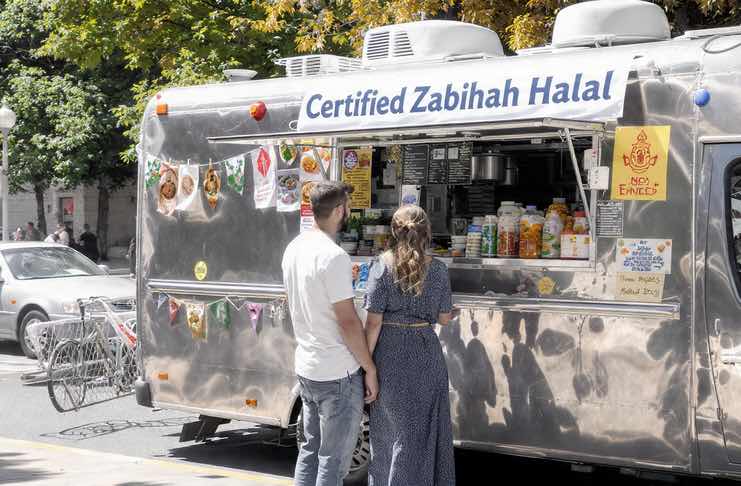
A: Many are! High-volume carts often display certifications and supplier credentials. Ask to see documentation, and request protein-specific confirmation (e.g., chicken vs. lamb).
Q: What about desserts—are they always halal?
A: Check for gelatin and emulsifiers; many bakeries can confirm whether ingredients are halal-sourced. Certified kitchens typically keep records and can clarify quickly.
Q: Can I find halal fine dining and steak in NYC?
A: Yes. The city has an expanding roster of upscale halal venues, including those offering premium steaks and tasting menus—just confirm Zabihah for specific cuts.
Q: Does NYC have late-night halal options?
A: Absolutely. Several neighborhoods offer halal eats into the late hours, especially on weekends—perfect after a show, game, or long work shift.
NYC’s certified Zabihah halal restaurants offer more than delicious meals: they embody transparency, tradition, and culinary creativity. With a little know-how—checking certificates, asking about hand-slaughter, and confirming cross-contamination practices—you can dine confidently across every borough, at every budget, and for any occasion. Happy exploring—and bon appétit!