

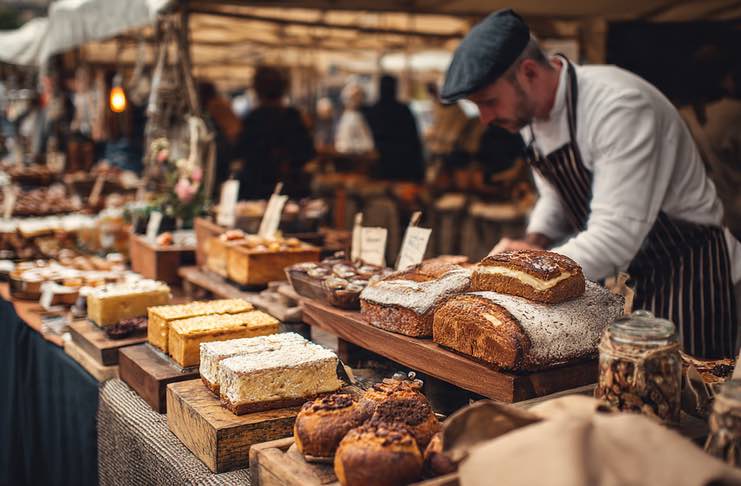
Urban food culture is changing. City dwellers are no longer satisfied with generic treats or mass-produced snacks. They want pastries that tell a story. They look for authentic flavors, artisan techniques, and visually striking creations that feel indulgent yet meaningful. This shift is driving a major rise in gourmet pastries at food markets, and vendors who understand this movement are positioning themselves for success. As part of our food markets blog, we’ll explore the rise of gourmet pastries in urban food markets.
Why Pastries Are Becoming the New Street Food Star
Pastries are versatile, portable, and instantly appealing. They tap into nostalgia and offer a sense of luxury that feels attainable. Whether it’s a buttery croissant, a pistachio-filled cannoli, or a rose-infused éclair, pastries are the perfect blend of comfort and sophistication. Unlike large plated desserts, pastries are easy to sample, photograph, and share both in person and online. This makes them a powerful commodity for urban markets that thrive on high footfall and social media exposure.
Watch this video to get a glimpse:
Flavor Diversity is Driving Demand
City audiences crave diversity. They enjoy flavors influenced by cultures from around the world. Traditional ingredients are being paired with unexpected flavors such as matcha, tahini, saffron, yuzu, and fig. Classic French or Italian pastries are being reimagined with Middle Eastern spices and seasonal produce. What resonates most is authenticity. Consumers want pastries made with real butter, genuine vanilla, and freshly ground spices rather than artificial alternatives. Vendors who understand ingredient integrity immediately stand out.
Presentation is Part of the Experience
Urban food markets attract visitors looking for more than just something tasty. They want an experience. A visually striking pastry display can draw people in before they even catch the scent of vanilla or cinnamon. Gold leaf accents, rich glazes, delicate piping, and creative garnishing have become selling points. Even packaging matters, as many customers buy pastries as gifts or take them to social gatherings. Beautifully presented products create a sense of occasion and encourage repeat purchases.
High Quality Ingredients Start with the Right Supplier
As demand for gourmet-quality products grows, vendors must pay closer attention to sourcing. Working with reliable wholesalers ensures consistency and quality across product lines. Buying in smaller batches may seem appealing at first, but scaling up requires stability. Suppliers such as Kara, for example, who offer Wholesale Bakery, give vendors access to fine ingredients and ready-made gourmet pastries crafted using artisan methods. This not only saves time but also maintains high standards, which are vital when building a reputation in competitive urban markets.
Why Storytelling Matters in Selling Pastries
Purchasing gourmet pastries is often an emotional decision. People want to feel connected to what they buy. Vendors who share stories about the pastry origins, flavor inspiration, or production methods create deeper engagement with customers. Whether it’s a family recipe from Southern Italy or a modern fusion twist inspired by travel, storytelling adds value. It transforms pastries from products into experiences.
Watch this reel to learn more about how storytelling matters in baking and selling pastries:
Sustainability is Becoming a Key Selling Feature
Modern food market visitors also look for eco-conscious vendors. They want pastries made with ethically sourced ingredients, preferably from small farms or organic producers. Packaging that’s recyclable or compostable has become a significant selling point. Even zero-waste approaches using leftover croissant dough or seasonal fruit trimmings help show responsibility. These factors may seem small, but they influence both purchasing decisions and brand loyalty.
How Vendors Can Stand Out in Busy Markets
Success in urban food markets requires more than great pastries. It takes strategy. Here are key approaches to stay ahead:
- Offer a signature pastry that becomes your market identity
- Rotate flavors seasonally to build anticipation
- Use live demonstrations or tastings to build customer confidence
- Partner with coffee or tea vendors for bundled deals
- Encourage user-generated content with tags and visually appealing displays
Watch this reel for some inspo:
The Future of Pastry Sales in Urban Markets
The gourmet pastry trend shows no signs of slowing down. In fact, it’s becoming a long-term consumer shift. Food market customers want meaningful indulgence, not empty novelty. They’re willing to pay more for quality, storytelling, and craftsmanship. Vendors who embrace this mindset and bridge tradition with innovation will enjoy strong demand and loyal customers.
Urban food markets aren’t just about selling; they’re about connecting. Gourmet pastries deliver that connection one decadent bite at a time.
🥐 Gourmet Pastries in Urban Food Markets: FAQ
Q1: What is driving the shift in urban food culture regarding pastries?
A: City dwellers are no longer satisfied with generic or mass-produced snacks. They are seeking meaningful indulgence—pastries that feature authentic flavors, are made using artisan techniques, and have a visually striking presentation that tells a story or feels unique.
Q2: Why are pastries considered the “new street food star” in urban markets?
A: Pastries are highly versatile, portable, and instantly appealing. They tap into nostalgia while offering an attainable sense of luxury. They are also easily sampleable, photographable, and shareable—key traits for products thriving in high-footfall markets driven by social media exposure.
Q3: What types of flavors are currently driving the demand for gourmet pastries?
A: Demand is driven by flavor diversity and authenticity. Consumers crave unexpected and globally influenced flavors like matcha, tahini, saffron, yuzu, and fig. Traditional pastries are being reimagined with these ingredients, but the key is using high-quality components like real butter and genuine vanilla.
Q4: How important is presentation in selling gourmet pastries?
A: Presentation is critical because urban food markets sell an experience. A visually striking display draws visitors in, and details like gold leaf accents, rich glazes, and creative garnishing are major selling points. Even high-quality packaging adds a sense of occasion for gifts and social sharing.
Q5: How does a vendor maintain high quality while scaling up their production?
A: Maintaining quality while scaling requires strategic sourcing. Vendors must work with reliable wholesalers that offer consistency and access to fine ingredients and, potentially, ready-made gourmet bases crafted using artisan methods. This partnership helps maintain the high standards necessary for a strong reputation.
Q6: Why is “storytelling” a vital part of selling gourmet pastries?
A: Purchasing gourmet pastries is often an emotional decision. Storytelling, such as sharing the pastry’s origin, family recipe, or flavor inspiration, transforms the product into a meaningful experience. This engagement helps create a deeper connection and value for the customer.
Q7: What role does sustainability play in the gourmet pastry trend?
A: Sustainability is a key selling feature. Modern consumers look for vendors who use ethically sourced ingredients (organic, small farms) and recyclable/compostable packaging. Zero-waste practices also signal responsibility and influence purchasing decisions.
Q8: How can a pastry vendor stand out in a busy food market?
A: Success requires strategy. Vendors should:
-
Offer a signature pastry to build market identity.
-
Rotate flavors seasonally to build anticipation.
-
Use live demonstrations or tastings to build trust.
-
Encourage user-generated content via appealing displays and tags.
Q9: What is the long-term outlook for gourmet pastry sales in urban markets?
A: The gourmet pastry trend is viewed as a long-term consumer shift, not a short-term fad. Demand remains strong because customers are willing to pay more for quality, craftsmanship, and meaningful indulgence over empty novelty.
Q10: What is the fundamental connection that gourmet pastries deliver in urban markets?
A: Urban food markets are fundamentally about connecting people to food, to tradition, and to each other. Gourmet pastries deliver that connection by offering a sense of shared culture, quality, and luxury, one decadent bite at a time.
- About the Author
- Latest Posts

Anthony McGovern is an NYC-based food writer and culinary explorer dedicated to mapping the city’s rich, diverse street food landscape. From tracing the deep immigration histories behind Chinatown’s dumpling shops to hunting down the best late-night taco trucks on Roosevelt Avenue, Anthony focuses on the stories, people, and generations-old traditions that define New York’s food scene