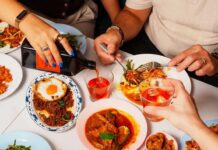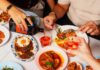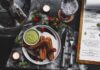

Traditional Chinese wellness foods in New York City include congee, warm soy milk, steamed rice rolls, black sesame desserts, red dates, goji berries, sweet soups, ginger-forward dishes, and other everyday foods shaped by ideas of balance, seasonality, and preparation. Manhattan Chinatown and Flushing are the best places to explore them through breakfast counters, bakeries, dessert shops, markets, food halls, and Chinese restaurants.
The easiest way to understand these foods is to eat them where they remain part of everyday life.
In Manhattan Chinatown, that might mean starting with fish congee and a freshly steamed rice roll, adding warm soy milk or a bakery bun, then saving room for black sesame or another lightly sweet dessert. In Flushing, the range becomes even broader, with Cantonese restaurants, regional Chinese cooking, dessert shops, bakeries, tea counters, and supermarkets packed around Main Street and the surrounding blocks.
What makes this side of Chinese food culture interesting is that most of these dishes are not advertised as “wellness food.” They are breakfasts, snacks, soups, desserts, and drinks people have eaten for generations. The wellness tradition provides useful cultural context, but the food itself is worth exploring.
Key Takeaways
- Wellness matters behind the counter too, with some NYC food workers relying on rest, stretching, massage, or physical therapy as part of their recovery routine.
- Start with congee, warm soy milk, rice rolls, black sesame desserts, and traditional Chinese sweet soups.
- Chinatown is especially good for Cantonese breakfast foods, bakeries, congee, rice rolls, steamed buns, and dessert.
- Flushing offers wider regional variety through restaurants, dessert shops, food courts, bakeries, tea counters, and specialty markets.
- Build a tasting route around contrast, moving between steamed and fried, mild and savory, rich and light, rather than ordering several similar dishes.
A Quick Note on Wellness Behind the Counter
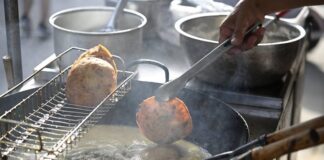
Food lovers naturally focus on what is being handed across the counter, but Chinese street-level food in New York depends on people doing physically demanding work for hours at a time.
A busy shift can involve prolonged standing, repetitive chopping and reaching, lifting ingredients, bending over prep areas, and working around grills, fryers, steam, and large pots. Supportive footwear, hydration, short breaks when possible, stretching, and enough recovery time can all make demanding days more manageable. Some workers also turn to more targeted forms of recovery, including getting acupuncture in New York, to manage the cumulative strain of standing and repetitive prep work over long shifts.
That side of the food scene is easy to miss when the attention is on what is being served. Behind a bowl of congee, a tray of steamed buns, or a plate of rice rolls are cooks and counter workers who may spend most of the day on their feet.
It is only one small part of the street-food story, but it is worth remembering before moving back to the dishes themselves.
What Makes a Food a Traditional Chinese “Wellness Food”?
Traditional Chinese wellness food is better understood as an approach to eating than as a fixed list of medicinal ingredients.
Chinese dietary traditions have long considered factors such as preparation, season, flavor, texture, and traditional classifications including warming and cooling. Research on traditional Chinese food therapy describes this framework as a longstanding part of dietary practices across Sinosphere Asia.
For a food lover, there is no need to memorize those classifications.
The easier way to understand the idea is to notice how a meal is built.
Congee is soft and mild. Ginger brings pungency. Steamed rice rolls have a completely different texture from pan-fried dumplings. Black sesame gives dessert a roasted richness without requiring intense sweetness. A bowl of something hot can feel especially satisfying on a freezing morning, while lighter soups and desserts may appeal more during humid weather.
None of this means a particular dish should be treated as medicine.
A bowl of porridge can simply be excellent porridge.
That distinction keeps the guide useful without reducing Chinese food culture to health claims.
Where to Start: A Quick NYC Tasting Map
| Food to Try | What to Expect | Where to Look |
| Congee | Soft rice porridge with toppings such as fish, chicken, pork, preserved egg, or ginger | Chinatown and Flushing Cantonese restaurants |
| Cheung fun | Thin steamed rice noodle rolls, plain or filled | Chinatown breakfast counters |
| Warm soy milk | Mild soy drink often paired with breakfast foods | Chinese bakeries and breakfast shops |
| Steamed buns | Soft wheat buns with savory or sweet fillings | Chinatown and Flushing bakeries |
| Black sesame dessert | Deeply roasted, nutty sesame in soups, rice balls, or modern desserts | Chinatown dessert shops |
| Tang yuan | Chewy glutinous rice balls, often with sesame filling | Chinese dessert shops |
| Peach gum and tremella | Lightly sweet desserts with soft, jelly-like textures | Flushing dessert shops |
| Red date and goji dishes | Sweet soups, teas, porridges, and composed desserts | Flushing restaurants and dessert counters |
Menus change, so treat the places below as starting points rather than a permanent checklist.
1. Congee: The Best First Bowl
Congee is rice cooked slowly with plenty of water until the grains soften into a spoonable porridge.
It is one of the easiest traditional Chinese foods to understand because the base is so simple.
What changes is what goes into it.
Fish and ginger keep the bowl clean and aromatic. Pork with preserved egg gives it more savory depth. Chicken makes it heartier without changing the soft texture that defines the dish.
A strong Chinatown starting point is Yin Ji Chang Fen Rice Roll at 91 Bayard Street. The Cantonese breakfast spot specializes in both congee and fresh rice noodle rolls, making it useful when you want to compare two gentle preparations at the same table.
Order one congee and one rice roll to share. Watch this video to get a glimpse:
That is enough for a first stop.
The porridge is soft and spoonable, while the rice roll is slippery and delicate. Neither relies on heavy frying or aggressive seasoning, yet they feel completely different.
The history of NYC Chinatown dumplings also shows how Cantonese, Fujianese, and Shanghainese traditions reached the neighborhood in different waves, adding distinct regional influences to its food scene.
In Queens, Congee Village on Prince Street gives Flushing diners another place to explore Cantonese congee alongside a much larger menu.
Congee Village describes congee as one of its specialties, with its Flushing restaurant continuing the Cantonese focus of its original Manhattan location. Watch this video to get a glimpse:
What to order
For a first bowl, choose fish and ginger, chicken, or preserved egg and pork.
Skip the largest combination bowl unless you already know you enjoy congee. Starting simply makes it easier to understand what the rice itself contributes.
2. Cheung Fun: Steamed Rice Rolls for Breakfast
Cheung fun are thin sheets of steamed rice batter served with sauce or rolled around fillings such as shrimp, beef, pork, vegetables, egg, or fried dough.
The first thing you notice is texture.
The noodle is exceptionally soft and slippery. A savory sauce provides most of the seasoning, while whatever is inside adds contrast.
At Yin Ji Chang Fen, rice rolls are the main attraction alongside congee. Try shrimp or beef if you want something familiar. A rice roll wrapped around fried dough is more interesting texturally because crisp and soft meet in the same bite.
That combination is also a good example of why “wellness food” should not be interpreted as a collection of austere dishes.
Balance can come from contrast.
Steamed and fried.
Soft and crisp.
Mild rice noodle and salty sauce.
It is a much more useful idea when experienced on the plate.
3. Warm Soy Milk and Steamed Buns
Warm soy milk is a classic Chinese breakfast drink that makes more sense alongside food than as a direct replacement for dairy milk.
The flavor is mild, which is exactly why it works well with buns, rice rolls, and other savory breakfast items.
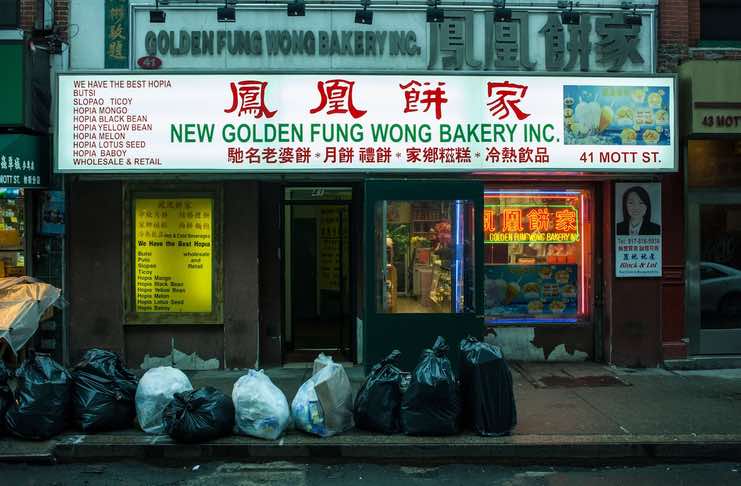
For a bakery stop, Fay Da Bakery at 83 Mott Street is an easy addition to a Chinatown walk. Fay Da’s current menu includes housemade soy milk and a long list of steamed items, including plain, red bean, custard, vegetable, chicken and mushroom, pork and vegetable, and Chinese sausage buns.
There is no need to overorder.
Choose one drink and one bun.
A vegetable or chicken-and-mushroom bun keeps the stop savory. Red bean or custard takes it gently toward dessert. Watch this video to learn more about Fay Da Bakery:
This is also one of the clearest examples of how ordinary many so-called wellness foods are in practice.
It is not a special health-food experience.
It is breakfast.
4. Black Sesame: Save It for Dessert
Black sesame is one of the most distinctive traditional Chinese dessert flavors, with a deep roasted taste that can be nutty, earthy, and almost smoky.
It may appear as a smooth sweet soup or paste, inside tang yuan, or incorporated into more modern desserts.
For something closer to the traditional hot-dessert format, Mango Mango Dessert on Bayard Street is one Chinatown option to check. Current delivery listings include hot black sesame paste soup served with rice balls or mochi. Watch this video to get a glimpse:
Black sesame works especially well late in a tasting route.
After dumplings, noodles, or something spicy, the roasted flavor gives your palate a completely different direction without relying on intense sweetness.
A closer look at Sichuan street-level flavor in New York shows how chile heat, aromatics, vegetables, and sour notes can balance one another rather than reducing the cuisine to “spicy food.”
What to order
Start with plain black sesame paste if available.
Tang yuan filled with sesame is the next step. The chewy rice exterior and rich filling make the ingredient feel completely different.
5. Traditional Chinese Sweet Soups in Flushing
Chinese dessert culture goes well beyond cakes and ice cream. Sweet soups can use grains, beans, fruit, seeds, roots, tremella, peach gum, taro, rice, and lightly sweetened broths.
This is where Flushing becomes especially useful.
JIN XI on Union Street specializes in Asian desserts and identifies Hong Kong-style sweet soups as part of its menu. Its offerings include peach gum and tremella preparations, alongside more modern Asian desserts.
Tremella, also known as snow fungus or white wood ear, develops a soft, slippery texture when simmered. Peach gum becomes translucent and jelly-like.
The appeal is as much about mouthfeel as flavor.
Nearby, YuanYang Dessert on Prince Street focuses on Hong Kong-style desserts. Current restaurant coverage highlights traditional-style options such as taro preparations, mango pomelo sago, jellies, and ginger milk pudding.
Go with another person and order two different textures.
A creamy or pudding-like dish beside a lighter sweet soup tells you much more than ordering two versions of the same dessert.
6. Red Dates, Goji, Tremella, and Other Familiar Wellness Ingredients
Red dates, goji berries, walnuts, tremella, lotus root, sesame, mushrooms, and similar ingredients usually make more sense inside complete dishes than when treated as standalone “superfoods.”
Jujube, commonly called red date on English-language menus, becomes soft and gently sweet when simmered.
Goji berries are smaller, slightly tart, and often appear in soups, porridges, teas, and desserts.
Tremella contributes texture more than a strong flavor of its own.
The useful lesson for a visitor is simple: look at how ingredients work together.
A sweet soup might combine red dates with tremella.
A porridge might include goji berries and nuts.
A bakery drink might pair soy with sesame or beans.
That tells you far more about Chinese food culture than pulling one ingredient out of context and asking what it is “good for.”
Flushing is particularly good for this kind of exploration because prepared foods and the ingredients themselves often sit only a few blocks apart. After tasting a red-date dessert, browse a Chinese supermarket and see the same dried dates sold by the bag.
Suddenly the ingredient feels less exotic.
It becomes part of a pantry.
7. Ginger-Forward Foods
Ginger is one of the easiest traditional ingredients to find because it is deeply embedded in everyday Chinese cooking.
It appears with fish, chicken, steamed seafood, scallions, sauces, broths, congee, tea, and desserts.
Traditional food classifications often describe ginger as warming, but there is a much simpler reason it appears so frequently in kitchens.
It works.
With fish, ginger adds fragrance and cuts through stronger flavors. In congee, a few strips sharpen an otherwise mild bowl. In tea or dessert, it can bring noticeable heat without chile.
Fish congee is one of the easiest ways to experience the pairing.
If you are already at Yin Ji Chang Fen or another Cantonese breakfast restaurant, order it there rather than making ginger a separate stop.
A useful food crawl should become simpler as it goes, not turn every ingredient into another destination.
8. Steamed Foods: Look Beyond the Fried Favorites
Steamed foods are essential to understanding the gentler side of Chinese casual eating.
Steamed buns, rice rolls, dumplings, sticky rice, vegetables, and dim sum provide an important counterweight to the fried dumplings, chile oil, skewers, and richer dishes that often dominate street-food lists. Watch this delicious Chinese steamed buns:
This is where a tasting route becomes more interesting.
Eat a soft rice roll before a crisp dumpling.
Try a steamed vegetable bun before something meatier.
Move from congee into a stronger lunch rather than beginning with the heaviest food on the block.
The variations also reflect regional differences. The history of Chinatown dumpling traditions shows why Cantonese steamed dumplings, Fujianese boiled dumplings, and Shanghainese soup dumplings belong to distinct culinary traditions rather than being interchangeable versions of the same food.
That regional diversity becomes much easier to appreciate once you stop trying to fit everything under one definition of “Chinese food.”
Where to Find Traditional Chinese Wellness Foods in Manhattan Chinatown
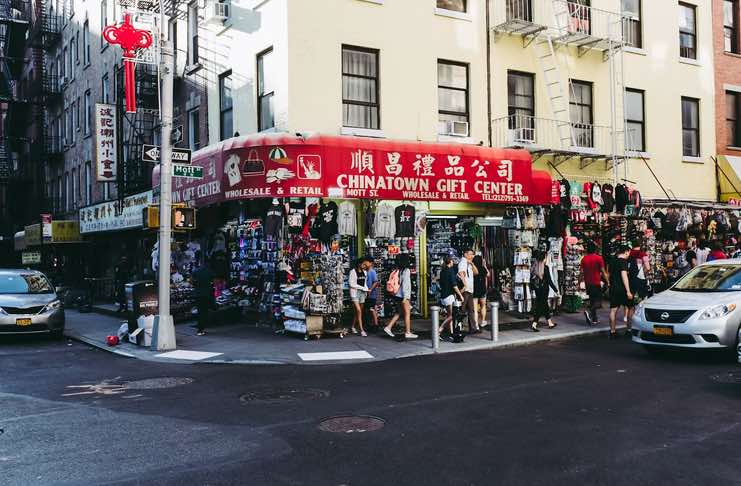
Chinatown is the easiest neighborhood for a compact breakfast-to-dessert tasting route.
Current Manhattan Chinatown dining coverage from Eater New York reflects just how broad the neighborhood has become, with Cantonese and Hong Kong cooking alongside Shanghai, Taiwan, Teochew, Shaanxi, Sichuan, Fujian, and other regional influences.
New York City Tourism also describes Chinatown as a center of culture and cuisine, making the neighborhood a natural starting point for visitors who want food, markets, shops, and neighborhood life within a walkable area.
A simple Chinatown route
First stop: congee and cheung fun.
Begin around Bayard Street with a bowl of porridge and one rice noodle roll to share.
Watch this:
Second stop: soy milk and a steamed bun.
Walk toward Mott Street and make a small bakery stop. One bun is enough if more food is coming.
Third stop: something savory.
This is the time for dumplings, noodles, roast meat, or another stronger dish.
Final stop: dessert.
Finish with black sesame, tang yuan, or another Chinese sweet rather than adding another heavy savory plate.
Keep the route flexible.
The best Chinatown afternoons usually include at least one stop that was not on the original list.
If a bakery tray keeps emptying, ask what it is.
If a breakfast counter is full of regulars eating the same bowl, take a look before walking past.
That kind of observation is part of New York Street Food‘s broader approach to eating street food like a local, where neighborhood routines and small portions matter as much as famous addresses.
Where to Find Traditional Chinese Wellness Foods in Flushing
Flushing is the better choice when you want regional variety, Chinese dessert culture, specialty markets, and enough options to spend several hours grazing.
Eater’s overview of Chinese dining in Flushing describes a neighborhood shaped by generations of Chinese immigrant businesses, intense restaurant competition, and a wide range of regional cooking.
New York City Tourism likewise highlights Flushing’s food scene, while its broader Queens coverage points to the neighborhood’s street vendors, food halls, bakeries, tea shops, regional Chinese cuisines, markets, and specialty grocers centered around Main Street.
How to approach Flushing
Do not sit down for the biggest meal available at your first stop.
Start with something relatively simple, perhaps congee at Congee Village or another Cantonese restaurant.
Then walk.
Browse bakeries and markets.
Share one stronger savory dish rather than ordering separate entrees.
Save Chinese dessert shops for later in the afternoon, when tremella, peach gum, taro, black sesame, red date, or ginger milk pudding will feel like a change of pace rather than more food piled onto an already heavy meal.
The NYC street-food route through Chinatown and Queens makes it easy to fold Flushing into a wider food crawl, with the 7 train connecting the neighborhood to the rest of the day.
Two Easy Food Lover’s Routes
Chinatown: Breakfast to Dessert
Start with congee and cheung fun.
Add soy milk or one steamed bun.
Walk for at least twenty or thirty minutes before the next substantial stop.
Have dumplings, noodles, or another savory dish for lunch.
Finish with black sesame paste or tang yuan.
This route works because every stop changes the texture.
Flushing: Savory to Sweet
Begin with congee or another lighter Cantonese dish.
Browse the markets and food counters around Main Street and Prince Street.
Share a more strongly seasoned regional dish.
Then move into sweet soups or Hong Kong-style desserts.
Finish with tea if you still want another stop.
The point is not to eat every “wellness food” in one afternoon.
It is to understand the range.
How to Order Without Turning the Meal Into a Health Checklist
The best questions are food questions. Use this quick checklist when ordering something unfamiliar:
☐ Is this normally eaten for breakfast, lunch, dessert, or as a snack?
☐ Is it traditionally served warm, chilled, or at room temperature?
☐ How sweet or savory is it?
☐ Does the congee come with ginger or other toppings?
☐ What is inside the steamed bun?
☐ Is the rice roll steamed to order?
☐ What is inside the tang yuan?
☐ What do people usually order with this dish?
☐ Is there a house specialty or preparation regulars tend to choose?
These questions tell you when a dish is typically eaten, how it is prepared, and what it is normally paired with. They can also lead you toward foods you might otherwise overlook.
There is no need to ask what every ingredient supposedly cures. Traditional Chinese dietary ideas have real cultural depth, but the food does not need a medical claim to be worth trying.
Congee can simply be comforting. Black sesame can be deeply roasted and delicious. Ginger can work beautifully with fish.
That is reason enough to order them.
Final Bite
The best traditional Chinese wellness food in New York is rarely the dish shouting the loudest for attention.
It may be a bowl of congee arriving at a breakfast counter while the neighborhood is still waking up. It may be a warm soy drink beside a steamed bun, the roasted flavor of black sesame after lunch, or a lightly sweet tremella dessert in Flushing.
Start with the food.
Pay attention to texture, cooking method, season, and how one dish leads into the next.
Then keep walking.
Chinatown and Flushing will take care of the rest.
Frequently Asked Questions
What are traditional Chinese wellness foods?
The term generally refers to foods connected with Chinese dietary traditions that consider preparation, season, balance, texture, and traditional classifications such as warming and cooling.
Foods you may encounter in New York include congee, warm soy milk, ginger-forward dishes, steamed buns, rice rolls, black sesame desserts, red dates, goji berries, tremella, peach gum, and traditional sweet soups.
Where can you buy traditional Chinese wellness foods in NYC?
Manhattan Chinatown and Flushing are the two best places to start.
Chinatown offers a compact route for Cantonese breakfast foods, rice rolls, steamed buns, bakeries, dumplings, and Chinese desserts.
Flushing provides more regional variety, larger Chinese markets, food courts, bakeries, tea shops, and dessert businesses.
What is the best traditional Chinese wellness food to try first?
Congee is the easiest starting point.
The rice base is mild, and toppings such as fish, ginger, chicken, pork, or preserved egg can make the bowl as simple or savory as you want.
Pair it with a rice roll or warm soy milk for a more complete breakfast experience.
Where can you find black sesame desserts in NYC?
Chinatown is an easy place to look for them.
Black sesame may appear as a warm paste or soup, as a filling inside tang yuan, or in more modern Chinese and Asian desserts.
Menus change, so check current offerings before making a trip specifically for one dish.
What is the difference between Chinatown and Flushing for this food crawl?
Choose Chinatown if you want a compact walking route that can move from breakfast to bakery to dumplings to dessert in a few blocks.
Choose Flushing if you want broader regional Chinese food, dessert shops, food halls, supermarkets, and enough options to spend half a day exploring.
Are traditional Chinese wellness foods medically proven to improve health?
Traditional use does not automatically establish a medical benefit.
Research documents the long history of Chinese food-therapy traditions, but scientific evidence depends on the specific ingredient and claim.
For a food lover, the more useful approach is to understand the dishes as cuisine, tradition, and everyday eating rather than treating them as medical treatments.
- About the Author
- Latest Posts

Anthony McGovern is an NYC-based food writer and culinary explorer dedicated to mapping the city’s rich, diverse street food landscape. From tracing the deep immigration histories behind Chinatown’s dumpling shops to hunting down the best late-night taco trucks on Roosevelt Avenue, Anthony focuses on the stories, people, and generations-old traditions that define New York’s food scene