

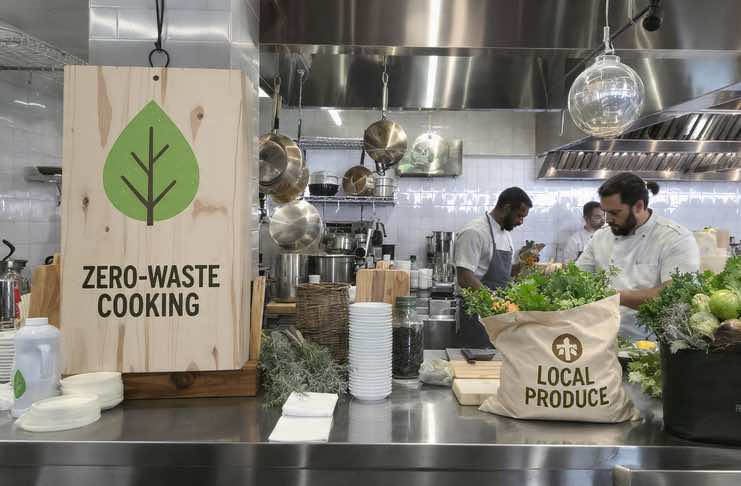
More and more restaurants across NYC are transforming their operations from the ground up, and the push toward sustainable kitchens has gone from niche talking point to full-blown industry standard. The frenetic pace of a commercial kitchen is unmistakable. As dishes are whisked from burners to tables, and fresh produce arrives by the box-load, there’s an undeniable pressure to keep operations running smoothly. But today, many industry insiders are redirecting that energy toward a new goal: sustainability.
Why Sustainability Matters in These Kitchens
In recent years, the food industry has been put under the microscope for its environmental practices. From wastage, resource consumption, to energy use, kitchens contribute significantly to ecological footprints. Making them greener is not just an ethical move but a necessary one.
Restaurants and catering businesses are increasingly finding that patrons are more likely to support establishments prioritizing environmentally friendly practices. This consumer-driven demand puts pressure on kitchens, not solely from environmental advocates but also from a growing body of eco-conscious diners. The effects of this trend are not only reducing carbon emissions but also fostering a more positive public image for businesses.
Achieving sustainability is not solely about satisfying public demand. It also taps into businesses’ intrinsic responsibility to safeguard the planet’s resources for future generations. As stewards of substantial food production and consumption, commercial sustainable kitchens hold sway in paving a greener path for the broader food industry.
Watch this video to learn more:
Caring for the People Behind the Stove
A true sustainable kitchen also prioritizes employee welfare. Fair wages, adequate training programs, and a respectful working environment are non-negotiables. A happy and healthy team breeds efficiency, creativity, and passion—a triple recipe for success.
Empowering staff through continuous eco-education and sustainability workshops can magnify their involvement in green practices. Giving them ownership of initiatives like energy management or waste audits can make these ideas into practical daily operations.
My Experience
I sat down with the kitchen manager at a Caribbean-influenced restaurant in Crown Heights last spring, and the first thing she told me wasn’t about the food — it was about their four-day work week and mandatory wellness days for staff. It completely reframed how I thought about “sustainable kitchen,” because it’s not just about compost bins and LED bulbs. When the people making your food are treated well, you can honestly taste the difference in the care that goes into each dish.
Resource Management Starts in the Supply Chain
Ingredients with hefty carbon footprints are declining in favor. Instead, chefs are opting for local and seasonal produce. This not only reduces transportation emissions but also supports local economies. The charm of fresh, locally-sourced produce also translates into richer, more authentic meals.
Watch this video of how rooftops in NYC are being covered with vegetable gardens, beehives, vineyards, and even fully working farms.:
Moreover, some businesses have gone a step further by forging direct relationships with local farmers and producers. This direct communication ensures fresher ingredients and allows for an exchange of ideas on sustainable growing practices. It sets the groundwork for a supply chain that resonates with transparency and eco-consciousness.
As part of the broader trend toward sustainability, efficient resource management extends to equipment and hardware used in the kitchen. For example, utilizing commercial ice machines that produce consistent, clean ice efficiently can optimize both operational and environmental performance. Ensuring that all equipment aligns with eco-friendly criteria is an important step in creating a green kitchen.
This commitment to a sustainable supply chain extends beyond food items and into resources like packaging and cleaning materials. Prioritizing products with minimal environmental impact, particularly those biodegradable or made from recycled content, enriches the overall ethos of responsible sourcing.
My Experience
One of my favorite visits this past year was to a wood-fired pizza concept in Bushwick, where the owner literally drove me to the upstate farm they source from every Tuesday morning. Watching the handshake between the chef and the farmer, and then eating that same produce in a dish that evening, hit differently — it made the supply chain feel personal and real, not like a marketing bullet point. That direct relationship showed up in the food in a way I genuinely couldn’t ignore.
Challenges in the Greener Path
Despite these strides, several hurdles remain. Changing established routines isn’t easy. The upfront costs of sustainable technologies can be daunting. However, evidence showcases potential long-term savings and environmental benefits, proving the value of perseverance.
An integral part of surmounting these barriers is the willingness to collaborate and share knowledge across the industry. Real, long-lasting change flourishes when best practices are pooled and adapted collectively. Inspiration can be found in networks that champion environmental and social advancement.
My Experience:
I’ve interviewed a handful of chefs in the Bronx and Harlem who are deeply committed to sustainability but openly frustrated by the cost barriers — one chef running a beautiful Afro-Latino spot told me that the upfront price of switching to compostable packaging nearly wiped out a month of margins. It’s a reality check that keeps me honest in my writing, because it’s easy to celebrate sustainability from the outside without acknowledging that the system makes it harder for smaller, independent operators to play by greener rules.
Waste Reduction: More Than Just Scraps
Waste is a significant challenge. The average U.S. restaurant generates about 100,000 pounds of waste annually. The solution? More sustainable kitchens are engaging in composting initiatives and donating edible leftovers to prevent augmented landfill contributions. Reducing food waste cuts costs on purchasing and disposal while contributing to community wellbeing.
Some innovative chefs have embraced methods such as nose-to-tail cooking, which utilizes every part of an animal, while others champion “ugly produce” that would otherwise go to waste. By celebrating these non-traditional ingredients and devising new dishes, chefs create unique offerings while cutting down waste effectively.
Watch this video to learn more:
Additionally, redefining waste extends to adopting zero-waste preparation techniques. This means continuous assessment and reassessment of kitchen procedures to pinpoint where efficiency can be amplified. The collective emphasis on reducing landfill input not only exemplifies economic prudence but also manifests culinary creativity.
My Experience:
I spent an afternoon in the back-of-house at a modern Japanese restaurant in the West Village watching their prep team work through what they called a “whole-ingredient day” — basically a standing rule that nothing gets tossed until every possible use has been explored. The fish bones became dashi, the citrus peels became a fermented condiment, and the odds and ends turned into a staff meal I honestly would have paid for. It’s the kind of ingenuity that changes how you think about waste entirely.
Energy Consumption: Lighting the Path to Efficiency
Cutting back on electricity and water use is paramount. Installation of LED lights, energy-efficient appliances, and mindful water usage are tangible steps. Sustainable kitchens are transitioning to induction cooking technologies that consume less power and reduce heat waste. Every kilowatt-hour saved translates to both environmental and financial benefits.
Additionally, some establishments are exploring renewable energy sources such as solar panels to give even more autonomy over their energy usage. While the initial investment may seem substantial, the potential for reduction in utility costs over time and decreased reliance on fossil fuels serves as an attractive incentive for futuristic sustainable kitchens.
Investing in energy-smart practices isn’t confined to immediate savings. The enhancements in kitchen ambient conditions, like better-ventilated spaces due to efficient appliances, also bring improved working environments. It promotes the dual objective of ecological and employee welfare seamlessly.
Watch this video for some more tips:
My Experience:
A chef friend who runs a Mediterranean spot in Astoria walked me through their recent kitchen renovation, and the induction cooktop situation genuinely blew my mind — the kitchen ran noticeably quieter and cooler, which she said made afternoon prep shifts way less brutal for the team. She also mentioned their energy bill dropped enough in the first quarter to fund a small staff bonus, which felt like the sustainability pitch was finally clicking into a language everyone in the industry can get behind: it saves money.
Going Beyond the Plate: Materials Matter
Changes extend beyond the stove. Sustainable kitchens are adopting biodegradable materials for packaging and utensils. Single-use plastics are increasingly replaced with sustainable materials like bamboo or paper, shortening the life-cycle of kitchen waste.
My Experience:
At a fast-casual Korean concept in Midtown that I covered last fall, they’d switched entirely to pressed-fiber containers and bamboo utensils — and honestly, after the first few bites, I stopped thinking about the packaging altogether because the food was that good. What stuck with me was the owner explaining that sourcing sustainable packaging had actually become a competitive edge with their corporate lunch clients, who were tracking sustainability metrics for their company catering spend. Sometimes the greenest decision is also just the smartest business one.
In Summary
Integrating sustainability into commercial kitchens isn’t just a flavor-of-the-month undertaking—it’s the new normal. With growing emphasis placed on resource management, employee welfare, and waste reduction, the apron strings of traditions are loosening. For patrons and restaurateurs alike, these changes signal a promising step towards a responsible future of food service.

Haley is a passionate writer and food lover living in NYC. She can’t say no to a good meal, and will always tip for good service.