
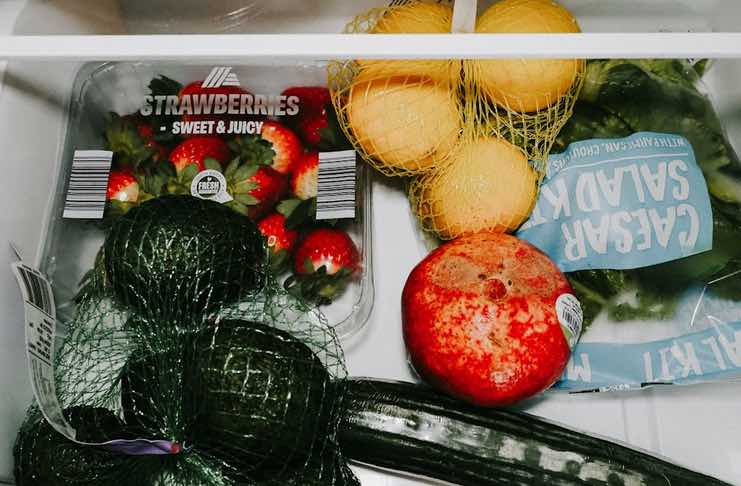
Many people assume that refrigerating food automatically keeps it fresher and safer for longer. While refrigeration is essential for many perishable items, not every food belongs in the fridge. In fact, storing certain foods at cold temperatures can negatively affect their flavour, texture, and shelf life.
Knowing which foods should stay out of the refrigerator can help reduce food waste, improve taste, and free up valuable fridge space. Here are some of the most common foods that should not be kept in the fridge and the best ways to store them instead.
Why Some Foods Should Not Be Refrigerated
Refrigerators are designed to slow bacterial growth and preserve perishable foods. However, cold temperatures can also alter the chemical structure and moisture levels of certain ingredients.
Some foods become dry or mushy, while others lose flavour or spoil more quickly when refrigerated. Understanding how different foods react to temperature helps ensure they stay fresh and enjoyable.
Potatoes
Why Potatoes Should Stay Out of the Fridge
Potatoes are one of the most commonly refrigerated foods that should actually be stored elsewhere.
Cold temperatures cause potato starch to convert into sugar more quickly. This chemical change affects both flavour and cooking performance, often leading to an overly sweet taste and uneven browning.
Refrigerated potatoes may also develop a gritty texture.
Best Storage Method
Store potatoes in:
- A cool
- Dark
- Dry
- Well-ventilated place
A pantry or cupboard is usually ideal. Avoid storing potatoes in sealed plastic bags, which trap moisture and encourage sprouting.
Onions
Why Refrigeration Damages Onions
Whole onions do not perform well in the refrigerator because moisture and cold air make them soften and develop mould more quickly.
Refrigeration can also cause onions to become mushy and lose their crisp texture.
Best Storage Method
Keep onions in:
- A dry location
- A mesh bag or basket
- Good airflow
Avoid storing onions next to potatoes, as both release gases and moisture that can speed up spoilage.
Garlic
Why Garlic Should Not Be Refrigerated
Garlic stores best at room temperature. When refrigerated, garlic may sprout prematurely and develop a rubbery texture.
The cold, humid environment inside a fridge can also encourage mould growth.
Best Storage Method
Store garlic bulbs in:
- A dry area
- Open containers
- Good ventilation
Whole bulbs can often last several weeks when stored properly.
Tomatoes
How Refrigeration Affects Tomatoes
Tomatoes lose much of their flavour when chilled.
Cold temperatures damage the delicate membranes inside tomatoes, resulting in a mealy texture and reduced sweetness. Refrigeration can stop the natural ripening process as well.
Best Storage Method
Leave tomatoes at room temperature and away from direct sunlight.
Allowing tomatoes to ripen naturally helps preserve:
- Juiciness
- Aroma
- Sweetness
- Texture
Only refrigerate tomatoes if they are fully ripe, and you need to slow further ripening.
Our Experience
During a conversation with the head chef at a well-regarded Italian trattoria in Carroll Gardens, Brooklyn, we were struck by how firmly she feels about never refrigerating tomatoes — even in the dead of summer. “The fridge kills everything that makes a tomato worth eating,” she told us flat out, pointing to the wooden crate of room-temperature San Marzanos sitting on her prep counter. A few weeks later, the sous chef at a Greenpoint bistro echoed the same sentiment about potatoes and onions, telling us he keeps a dry storage room specifically because his fridge once ruined an entire week’s worth of roasted garlic prep. These conversations confirmed what we’d suspected all along: professional kitchens treat cold storage as a tool with limits, not a catch-all solution.
Bread
Why Bread Goes Bad Faster in the Fridge
Many people refrigerate bread hoping it will last longer, but refrigeration actually speeds up staling.
According to Serious East, cold temperatures cause starch molecules in bread to crystallise more rapidly, making the loaf dry and hard.
Best Storage Method
Store bread:
- At room temperature
- In a bread box
- Or sealed bag
If you need long-term storage, freezing is usually a better option than refrigeration.
Bananas
Why Bananas Dislike Cold Temperatures
Bananas are tropical fruit and do not tolerate refrigeration well before ripening.
Cold temperatures slow ripening and can turn banana peels dark or black. Although the fruit inside may still be edible, its texture and flavour can suffer.
Best Storage Method
Keep bananas on the counter at room temperature.
Once fully ripe, refrigeration may help slow additional ripening for a short period, though peel discoloration is normal.
Avocados
Refrigeration and Ripening Problems
Unripe avocados need room temperature to ripen properly.
Refrigerating them too early slows the process dramatically and may prevent the fruit from developing its best texture and flavour.
Best Storage Method
Leave unripe avocados on the countertop.
Once ripe, they can be refrigerated temporarily to extend freshness.
Coffee
Why Coffee Should Stay Away from the Fridge
Coffee beans and ground coffee are highly absorbent.
The refrigerator exposes coffee to moisture and surrounding food odours, which can negatively affect aroma and flavour.
Temperature fluctuations also create condensation that may reduce quality.
Best Storage Method
Store coffee in:
- Airtight containers
- Cool environments
- Dry cupboards
Avoid refrigeration and keep coffee away from heat and light.
Our Experience
We had a particularly memorable chat with the pastry chef at a café in the West Village who doubles as the resident bread and coffee obsessive. He pulled out a bag of single-origin Ethiopian beans and walked us through exactly why he keeps them in a sealed ceramic canister on the shelf rather than in the fridge — “the moment condensation hits the grind, the aromatics are gone.” Across town, a chef-owner in Astoria told us that bread staling is one of the most misunderstood things in home kitchens, and that she actively discourages her line cooks from ever putting a loaf in the cooler, even overnight. “Freeze it or eat it” is her rule, and honestly, we’ve adopted it ourselves.
Watch this video to learn more:
Honey
Refrigerating Honey Causes Crystallisation
Honey is naturally shelf-stable due to its low moisture content.
When refrigerated, honey tends to crystallise and harden much faster, making it difficult to pour and use.
Best Storage Method
Keep honey:
- Tightly sealed
- At room temperature
- In a pantry or cupboard
Properly stored honey can last for a very long time.
Melons
Whole Melons Store Better Outside the Fridge
Whole melons such as watermelon, cantaloupe, and honeydew often retain better flavour and antioxidant content when stored at room temperature.
Refrigeration may reduce aroma and sweetness before cutting.
Best Storage Method
Store whole melons on the counter.
After slicing, however, refrigerate them promptly to maintain food safety.
Basil
Cold Temperatures Damage Basil
Fresh basil is particularly sensitive to cold.
Refrigeration often causes basil leaves to wilt, blacken, and lose their fragrance.
The herb also absorbs surrounding odours easily.
Best Storage Method
Treat basil similarly to fresh flowers.
Place stems in a glass of water and keep them on the countertop.
This method helps maintain freshness and aroma longer.
Oils
Why Some Cooking Oils Should Not Be Refrigerated
Certain oils, especially olive oil, can become cloudy and partially solidify when refrigerated.
While refrigeration does not necessarily make oil unsafe, it can alter texture and usability.
Best Storage Method
Store cooking oils in:
- Cool cupboards
- Dark places
- Tightly sealed containers
Keep oils away from sunlight and heat sources.
Stone Fruits
Peaches, Plums, and Nectarines
Stone fruits continue ripening after harvest.
Refrigerating them too soon interrupts the ripening process and may reduce flavour and juiciness.
Best Storage Method
Leave them at room temperature until ripe.
Once fully ripe, refrigeration may help extend freshness for a short period.
Our Experience
On a visit to a farm-to-table restaurant in the Flatiron District, the executive chef walked us through his dry storage setup with the kind of enthusiasm most people reserve for their tasting menu. He had honey, whole melons, and a bowl of ripe plums all sitting at room temperature on a dedicated shelf, which he called his “patience station” — the place where he lets produce finish what nature started before it ever gets near the cold. A chef at a Mediterranean spot in Cobble Hill made a similar point about olive oil, showing us the dark cabinet where she keeps every bottle away from the stove’s heat. “Cold oil pours wrong and cooks wrong,” she said. These professionals don’t refrigerate out of habit — every storage decision is intentional.
Proper Food Storage in Professional Restaurant Kitchens
In restaurant kitchens, a commercial fridge is essential for keeping large quantities of food fresh and safe for daily use. Unlike home refrigerators, commercial fridges are designed for heavy-duty performance, consistent temperature control, and high-capacity storage, making them ideal for restaurants, cafés, hotels, and food service businesses.
However, even in professional environments, proper food storage practices still matter. Not every ingredient benefits from being kept in the coldest sections of a commercial fridge. Certain fresh produce, for example, can lose texture, flavor, or quality if stored at overly low temperatures for too long. This is why organized storage and temperature zoning inside a commercial fridge are important for maintaining food quality.
Typically, these pro fridges are best used for highly perishable items such as dairy products, raw meats, seafood, and prepared foods that require strict temperature control to remain safe. When used correctly, they help extend shelf life, reduce food waste, and support efficient kitchen operations while ensuring compliance with food safety standards.
Final Thoughts
Not every food belongs in the refrigerator. While fridges are essential for preserving dairy, meat, leftovers, and many fresh ingredients, some foods actually deteriorate when exposed to cold temperatures.
Potatoes, onions, garlic, tomatoes, bread, bananas, coffee, and honey are just a few examples of foods that often stay fresher and taste better outside the fridge.
Learning proper food storage habits can help you save money, reduce waste, and enjoy better flavour in everyday cooking. Before placing everything in the refrigerator, consider whether room-temperature storage might actually be the smarter choice.

After pursuing a career in opera and classical music, Katie Sullivan transitioned career paths into marketing for arts non-profits. As Marketing Manager for Limble CMMS, Katie takes that same passion for positively impacting lives by letting maintenance teams know that there is an easier way to manage–and get credit for–their amazing work.