

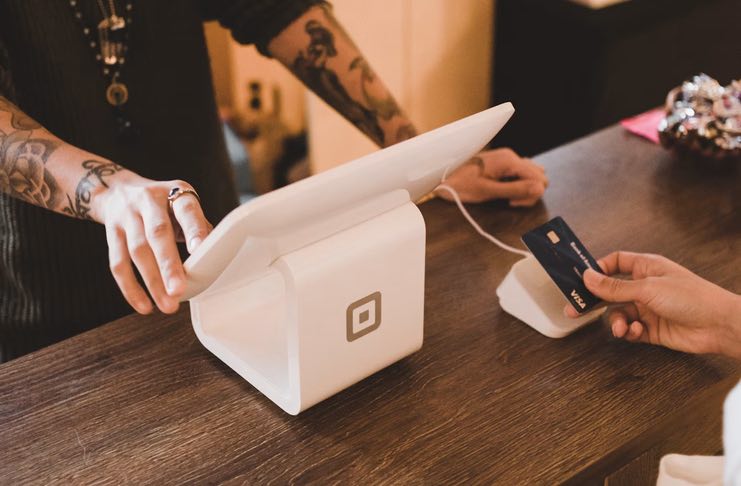
Capital One Shopping Research reports that 111.8 million American smartphone owners used proximity mobile payments in 2024, and this equals 44.9% of that population. In addition, there were 4.5 billion digital wallet users in the world in 2025, which was 54.9% of the global population.
If your restaurant doesn’t use mobile payment apps, then you’re behind the times. Here are the ways that this technology can help your restaurant work seamlessly.
Faster Table Turnover Through Quicker Transactions
Mobile payment apps can help speed up the checkout process since they allow customers to pay directly from their phones, tablets, or handheld devices. They no longer have to wait for servers to bring their checks, collect their cards, and return with receipts; instead, they can complete payments in seconds. This can reduce delays during busy hours and help your staff focus more on customer service, as well as improve table turnover rates.
Mobile payments can help in quick-service and casual dining environments, too. They can shorten long lines and reduce customer frustration.
Our NYSF Experience:
Covering the NYC food scene means we’ve sat at hundreds of tables across this city — from a packed ramen counter in the East Village to a standing-room-only dumpling spot in Flushing — and the difference in pace between restaurants using tableside mobile payments and those still running cards back to a terminal is night and day. We’ve watched a two-top in Williamsburg turn their table three times in a single lunch rush simply because tap-to-pay cut the checkout window from eight minutes to under ninety seconds. The owners we’ve spoken with consistently say faster payment cycles are the single operational change that moved their numbers the most.
Improved Accuracy With Digital Order and Payment Integration
Mobile payment apps can reduce human error since they integrate directly with a restaurant’s point-of-sale (POS) system. These are all automatically synced:
- Orders
- Payments
- Tips
- Receipts
This minimizes mistakes that can happen when employees manually enter totals or process payments separately.
Accurate transaction data makes back-of-house bookkeeping and tax preparation a breeze. Best of all, this seamless digital paper trail covers external vendors, too. For instance, if your kitchen suffers a sudden midnight pipeline emergency, the on-call technician can get paid faster with a plumbing billing app right from the dining room floor. When your internal POS and your contractors’ specialized apps speak the same digital language, it reduces operational mistakes across the board. This keeps the restaurant’s daily workflow smooth, the books balanced, and ensures a flawless, professional experience for your guests.
Our NYSF Experience:
We once sat down with the owner of a busy Astoria Greek spot who told us he used to lose an average of $300 a week to manual entry errors — wrong tip amounts, miskeyed totals, split checks that never quite added up. After switching to a fully integrated mobile POS system, he said that the number dropped to nearly zero within the first month. As food bloggers who’ve watched countless promising restaurants in this city struggle not because of bad food but because of back-office chaos, we can’t stress enough how much a clean digital paper trail matters to long-term survival.
Better Customer Experience and Convenience
Diners expect fast, flexible, and contactless payment options. Luckily, this is all possible with mobile payment apps, as they allow customers to use:
- Digital wallets
- Saved payment methods
- App-based ordering systems
This technology allows guests to split bills, leave digital tips, and receive electronic receipts on their terms. This reduction in delays is beneficial for everyone, as diners can have more control over their experiences, and the tech can reduce friction during peak hours. This can help restaurants build loyalty and positive reviews.
Our NYSF Experience:
We’ve brought groups of six to dinner in Chelsea more times than we can count, and nothing kills the post-meal energy faster than a server fumbling through a split-check nightmare with a handheld calculator. The restaurants where we’ve seen the best group dining experiences — places like a Taiwanese hot pot spot we visited in Sunset Park in early 2025 — all had one thing in common: they let the table handle the split themselves via a QR-linked payment screen, and everyone was out the door happy in under three minutes. The owners told us their Google review scores jumped half a star within weeks of making the switch, almost entirely driven by checkout experience comments.
Easier Staff Management During Busy Shifts
Mobile payment apps can help restaurant teams work more efficiently, especially during high-volume service periods.
Servers can use handheld payment devices and process payments tableside. This reduces unnecessary trips between the dining area and the payment station; this frees up time for staff to assist customers.
Managers benefit from real-time transaction monitoring, too. It’s easier to track the following throughout the day:
- Sales activity
- Labor performance
- Shift productivity
With fewer bottlenecks at checkout and more organized workflows, restaurants can handle busy periods more effectively and reduce stress.
Our NYSF Experience:
We’ve spent a lot of time chatting with floor managers during the quiet hours before service, and the ones running mobile-integrated systems talk about their shifts completely differently than those who aren’t. A manager we spoke with at a busy Midtown lunch counter in late 2024 described watching her real-time sales dashboard like a “mission control screen” — she could see which server sections were lagging, which menu items were flying, and where to redirect staff before a bottleneck even formed. That kind of live visibility, she told us, cut her end-of-shift reconciliation time from forty-five minutes down to under ten.
Stronger Cash Flow and Financial Visibility
Restaurants can maintain a steady cash flow by processing transactions quickly and securely with mobile payment apps. Since digital payments are typically deposited faster than traditional methods, restaurant owners have quicker access to operating funds.
In addition, many apps have dashboards and analytics tools that provide real-time insights into:
- Sales performance
- Peak business hours
- Customer purchasing patterns
The above can help managers make informed decisions about staffing, inventory, and promotions. There are also automated reporting features that simplify accounting tasks, so managers don’t have to spend as much time reconciling transactions at the end of the day.
Our NYSF Experience:
Running a food publication means we talk money with restaurant owners more than most people realize, and cash-flow anxiety is the undercurrent in almost every conversation. A taco spot we profiled in Jackson Heights told us that switching to same-day digital deposits through their mobile payment app was the first time in three years they didn’t have to sweat making payroll on a slow week. The analytics dashboard showing their Tuesday afternoon dead zone led them to launch a targeted happy hour promotion that added roughly $1,800 in monthly revenue — a decision they said they never would have had the data to make before.
Enhanced Security and Reduced Payment Risks
This technology often comes with advanced security features that protect both restaurants and customers from fraud or data breaches. These are the layers of protection that traditional payment methods may lack:
- Encryption
- Tokenization
- Biometric authentication
Contactless payment also boosts security since there’s less physical handling of cards and cash. This lowers the risk of theft or misplaced payments.
Digital payment tracking also creates clear transaction histories. These can help resolve disputes quickly and accurately.
What’s great is that many mobile systems automatically update their security protocols. Restaurants can stay compliant with industry standards with little effort.
Our NYSF Experience:
We’ve heard the horror stories firsthand — a well-loved ramen shop in the Lower East Side that got hit with a card skimmer on their old terminal and spent months dealing with the fallout, from chargebacks to a reputation hit they felt in their foot traffic for weeks. Since then, every owner we’ve spoken with who made the move to tokenized mobile payments has described the peace of mind as one of the most underrated benefits of the switch. One owner put it simply: “I used to lie awake thinking about card fraud. Now I don’t think about it at all.”
Mobile Payment Apps in Your Restaurant
As you can see, mobile payment apps have many advantages for restaurant owners. Not only can they make operations more efficient, but they can also provide security and real-time insights. It’s up to the owners to leverage this technology and use it to their benefit.
For more advice on running your restaurant, keep browsing our site now.
Frequently Asked Questions About Mobile Payment Apps for Restaurants
What is the best mobile payment app for a small restaurant?
The best option depends on your volume and setup, but Square, Toast, and Clover are the most widely adopted among independent restaurants we’ve encountered across NYC. Square tends to work well for lower-volume spots and food trucks because there’s no monthly fee on the base plan — we’ve seen it running on everything from a Brooklyn taco cart to a small dim sum counter in Sunset Park. Toast is the more powerful choice when you’re handling high volume and need deep POS integration across multiple terminals.
Do mobile payment apps work for food trucks and street vendors?
Absolutely — and in many ways, mobile payment apps were built for exactly this use case. We’ve watched vendors on Smorgasburg in Williamsburg and night market operators in Flushing go completely cashless using nothing more than a phone, a card reader, and a mobile data connection. The biggest operational win for street vendors is the elimination of cash handling, which reduces both theft risk and the end-of-day reconciliation headache.
How much do mobile payment apps typically cost a restaurant?
Most platforms charge a per-transaction fee in the range of 2.6% to 2.9% plus a flat cent amount per swipe, with optional monthly subscription tiers that unlock advanced features. For a restaurant doing $30,000 a month in card sales, that’s roughly $780–$870 in processing fees — a number every owner should weigh against the labor hours saved on manual reconciliation and error correction. Some platforms also charge hardware rental fees for terminals and handheld devices, so always read the full pricing structure before committing.
Are mobile payment apps secure enough for restaurant transactions?
Yes — and in most cases, they are significantly more secure than traditional card terminals. Modern mobile payment systems use end-to-end encryption and tokenization, meaning actual card data is never stored on the device or transmitted in a readable format. The restaurant owners we’ve spoken with who made the switch after a fraud incident have universally described the security upgrade as one of the most meaningful changes they made to their operations.
Can mobile payment apps integrate with existing restaurant POS systems?
Most major mobile payment platforms are designed to integrate with popular POS systems including Toast, Lightspeed, Revel, and Square’s own ecosystem. The key question to ask any provider upfront is whether their system offers two-way sync — meaning orders entered at the table flow directly to the kitchen display and back-office reporting without any manual re-entry. We’ve seen restaurants lose the efficiency gains entirely because they chose a payment app that only partially integrated with their existing setup.
What happens if the internet goes down during service?
This is one of the first questions every smart restaurant owner should ask before signing up with any provider. Most reputable platforms — Square, Toast, and Clover among them — offer an offline mode that queues transactions locally and processes them automatically once connectivity is restored. We’ve sat through a brief outage at a busy brunch spot in Park Slope and watched the staff handle it without missing a beat, precisely because their system had been set up with offline functionality enabled from day one.
Do customers actually prefer mobile payments over cash or traditional cards?
The data says yes, and our on-the-ground experience confirms it. Younger diners especially — the demographic driving foot traffic at most of the fast-casual and street food spots we cover — increasingly expect tap-to-pay as a baseline, not a bonus. We’ve spoken with owners who saw a measurable drop in walk-aways and abandoned orders simply by adding Apple Pay and Google Pay as checkout options, because removing even one small point of friction at the end of a meal has a real impact on whether a customer comes back.

Haley is a passionate writer and food lover living in NYC. She can’t say no to a good meal, and will always tip for good service.