

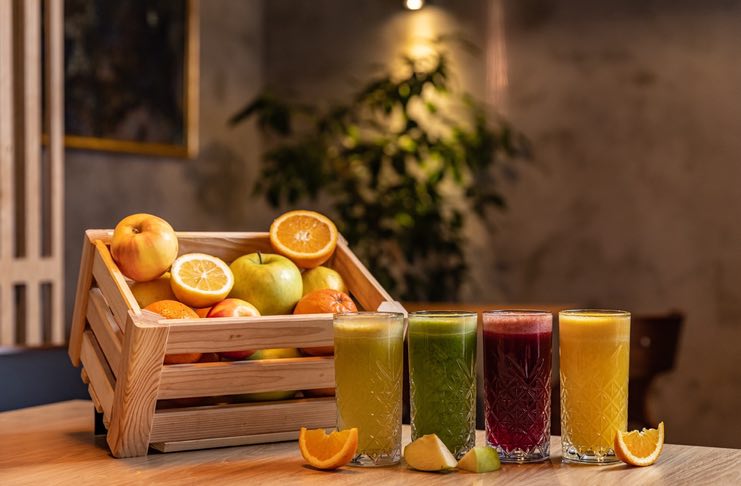
If you have spent any time in New York’s juice scene over the past decade, you know the template. A clean, minimalist storefront opens in the West Village or Williamsburg. The bottles are beautiful. The branding is immaculate. The prices reflect the rent. A 16-ounce green juice costs $12 to $14. A three-day cleanse costs $200 or more. The experience is aspirational. The economics are Manhattan.
Behind that storefront, the juice is often pressed in a facility nowhere near the shop. The Bronx. Long Island City. Jersey. The pressing happens where the real estate allows industrial equipment, walk-in coolers, and delivery logistics. The storefront is the brand. The borough is the operation.
Life Juice skipped the storefront entirely. The brand has operated out of the Bronx from the beginning, pressing fresh daily and shipping cold to customers across New York, New Jersey, Connecticut, Pennsylvania, and nationwide through their locations and delivery network. No boutique retail location. No $18 smoothie menu. No Instagram wall. Just produce, a press, and a delivery operation that gets raw juice from the Bronx to your doorstep before the nutritional clock runs out.
The model is not glamorous. It is also not $14 a bottle.
Why the Bronx
The practical answer is that cold-pressed juice production requires space that Manhattan and Brooklyn cannot provide at a cost that allows the product to remain accessible. A hydraulic press is not a blender. The equipment, the cold storage, the produce intake, and the packing and shipping operation require industrial square footage that commands a fraction of the rent in the Bronx compared to the neighborhoods where juice brands typically build their consumer-facing presence.
The less obvious answer is that the Bronx has always been a food production borough. The Hunts Point Produce Market, the largest wholesale produce market in the world, processes 60 percent of the city’s fruits and vegetables. Proximity to that supply chain means fresher produce with shorter transit time from source to press, which directly affects the nutritional quality of the juice.
A cold-pressed juice is only as good as the produce that goes into it, and quality degrades with every hour between harvest and processing. A brand pressing in the Bronx with supply chain proximity to Hunts Point has a structural freshness advantage over a brand sourcing the same ingredients from a more distant facility. The advantage is invisible to the consumer. It is measurable in the juice.
The Product Line
Life Juice’s product line is built around a tight offering rather than the menu sprawl that characterizes most juice brands. The core is a signature cold-pressed green juice: kale, cucumber, celery, green apple, lemon, and ginger. It serves as both a standalone daily juice and the foundation of the brand’s cleanse programs.
The cleanse quiz on their site matches customers to the right program based on their goals and experience level. The Multi-Day Detox Cleanse Kit at $79 is the structured reset. The Bridal Cleanse Package at $129 targets pre-event preparation. And the Ginger and Turmeric Wellness Shot at $5 is designed for daily anti-inflammatory and digestive support rather than cleanse protocols.
The pricing reflects the direct-to-consumer model. Without retail markup, storefront overhead, or third-party distribution margin, the cost per bottle stays below what comparable quality commands at a Manhattan juice bar. Free shipping on cleanse orders over $75 further closes the gap between what a consumer pays for a boutique juice experience and what the juice itself actually costs to produce and deliver.
The Target Chapter
Life Juice’s history includes a retail chapter that most Bronx-based food brands never reach. The brand was previously carried in Target stores, placing it alongside nationally distributed juice brands at a scale that validated both the product quality and the production capacity. Coverage from Health.com, CBS News, HuffPost, and BevNet, the beverage industry’s trade publication of record, added editorial credibility that reinforced the retail positioning.
The shift from national retail back to direct-to-consumer is itself a story about the cold-pressed juice category. Retail distribution requires shelf life. Shelf life requires processing. Processing degrades the product. The brands that prioritize freshness over distribution scale eventually face a choice between the reach that retail provides and the quality that cold pressing is supposed to deliver. Life Juice chose quality.
The direct model, pressing fresh in the Bronx and shipping cold to the customer’s door, preserves the nutritional integrity that makes cold-pressed juice worth paying for in the first place. The trade-off is real. The gain is a product that arrives the way it was pressed rather than the way a shelf life requirement demands.
What the Bronx Delivers
New York’s food identity has always been built by the boroughs that do the actual work of feeding the city. The Bronx feeds Manhattan’s restaurants through Hunts Point. Queens feeds the city’s diversity through its unmatched concentration of immigrant cuisines. Brooklyn builds the brands. Manhattan charges the markup.
Life Juice fits this pattern. The juice is pressed in the Bronx. It ships from the Bronx. The quality is Bronx quality: real, unpretentious, and built to deliver rather than to perform. The bottles are not designed for an Instagram flat lay. They are designed to arrive cold, taste fresh, and provide what the label says they provide.
In a city where the juice scene has spent a decade optimizing for aesthetics, a brand that optimized for the juice itself is a useful reminder of what the product was supposed to be about in the first place.
- About the Author
- Latest Posts

Anthony McGovern is an NYC-based food writer and culinary explorer dedicated to mapping the city’s rich, diverse street food landscape. From tracing the deep immigration histories behind Chinatown’s dumpling shops to hunting down the best late-night taco trucks on Roosevelt Avenue, Anthony focuses on the stories, people, and generations-old traditions that define New York’s food scene