
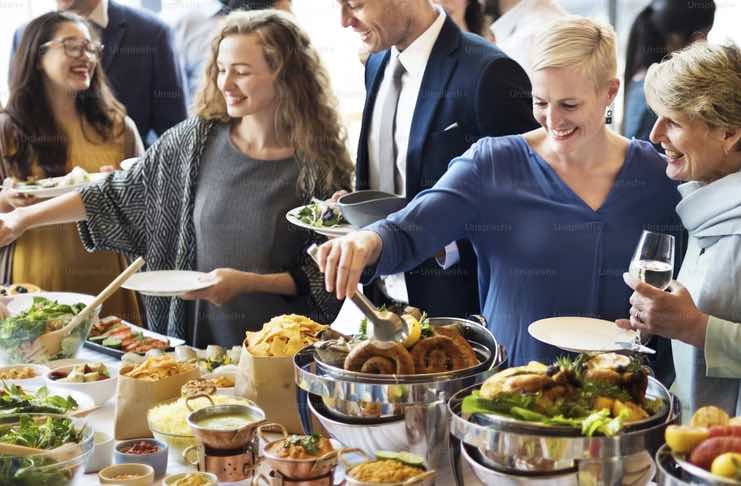
When planning a gathering at your home, restaurant, or café, buffet-style serving offers undeniable appeal. It creates an inviting atmosphere, encourages guests to customize their plates, and reduces the need for individual plating. However, this popular serving method introduces specific food safety challenges that many hosts overlook. Understanding these risks can help you create a beautiful, guest-friendly spread without compromising anyone’s health.
The Temperature Danger Zone Challenge
One of the most significant risks with buffet-style serving involves temperature control. According to the FDA, perishable foods should not remain at room temperature for more than two hours. In buffet settings, dishes often sit out far longer as guests serve themselves throughout an event.
The “danger zone” between 40°F and 140°F creates ideal conditions for bacterial growth. Cold foods gradually warm up while hot dishes cool down, and without proper equipment like chafing dishes or ice baths, foods quickly enter this hazardous temperature range. The CDC estimates that 48 million Americans get sick from foodborne illnesses each year, with improper temperature control being a leading cause.
Even well-intentioned hosts who use warming trays or ice may struggle to maintain safe temperatures throughout extended gatherings. Buffet dishes positioned away from heat sources or those refilled with fresh food mixed into warm portions create additional temperature fluctuations that increase contamination risks.
Cross-Contamination From Shared Serving Utensils
Buffet lines create multiple opportunities for cross-contamination that plated service avoids. Shared serving utensils present particular challenges when guests accidentally use the same spoon for different dishes or when utensils slide into food containers. This transfers allergens, bacteria, and other contaminants between dishes.
The USDA warns that bacteria from people’s hands can contaminate buffet food, especially when guests reach over dishes, touch serving utensils, or inadvertently make contact with food. In restaurants and cafés, this risk multiplies with higher guest volume and less direct supervision of the buffet area.
Watch this video by the USDA for more useful tips:
Sneeze guards and proper utensil placement help, but they cannot eliminate all cross-contamination risks. Even well-designed buffet setups remain vulnerable to guest behavior that food service staff cannot constantly monitor.
Extended Exposure Increases Contamination Risk
Unlike plated meals prepared immediately before serving, buffet foods face prolonged exposure to environmental contaminants. Airborne particles, dust, and aerosols from guests talking, coughing, or sneezing near food all contribute to contamination potential.
This extended exposure period particularly affects high-risk foods like mayonnaise-based salads, cut fruits, seafood, and dairy products. These items support rapid bacterial growth when temperature control falters, making them especially dangerous in buffet settings.
For hospitality venues creating Instagram-worthy snack bar presentations, this creates a dilemma between visual appeal and food safety. Beautiful displays often prioritize aesthetics over protective barriers, leaving food more vulnerable to contamination.
When Food Safety Issues Lead to Legal Consequences
When buffet-style service results in foodborne illness, the consequences extend beyond immediate health effects. Guests who become seriously ill from contaminated food may face hospitalization, lost wages, and ongoing medical complications. In Massachusetts, those affected by food poisoning at restaurants, catered events, or other establishments have legal options to pursue compensation for their injuries.
According to attorneys for food poisoning cases in Massachusetts, restaurant owners, caterers, and event venues have a responsibility to maintain safe food handling practices, and failure to do so may constitute negligence.
Creating Safer Buffet Experiences
Despite these risks, buffet-style serving can be made safer through careful planning and execution. The key lies in understanding the specific vulnerabilities and implementing protective measures.
Temperature monitoring should be continuous rather than occasional. Use separate chafing dishes for hot foods and ice baths or refrigerated displays for cold items. Replace dishes every two hours rather than simply refilling them, which prevents mixing foods held at different temperatures.
Assign dedicated serving utensils to each dish and position them to minimize cross-contamination. Consider individually portioned items when possible, which maintains the visual appeal of buffet service while reducing shared touchpoints.
For bars and cafés implementing creative snack bar ideas, single-serve presentations can deliver the customization guests enjoy while controlling contamination risks. Mini portions also help manage temperature concerns by reducing the time individual servings spend in the danger zone.
Staff supervision makes a significant difference in buffet safety. Having team members monitor the buffet area, replace utensils, and ensure proper temperatures provides protection that self-service alone cannot achieve.
Balancing Aesthetics and Safety
The hospitality industry thrives on creating memorable experiences, and buffet presentations contribute significantly to ambiance and guest satisfaction. However, beautiful food displays lose their appeal when they compromise guest health.
Understanding buffet-style serving risks allows you to make informed decisions about when this service method makes sense and how to implement it safely. Some events and venues benefit from buffet service, while others are better served by plated meals or modified service approaches that reduce contamination opportunities.
The goal is not to eliminate buffet service but to approach it with awareness of its unique challenges. By recognizing temperature control issues, cross-contamination risks, and extended exposure concerns, you can create gatherings that are both visually stunning and safely executed.
When planning your next event, consider whether buffet service truly serves your guests’ best interests or if alternative approaches might deliver the experience you envision with fewer safety compromises. Your attention to these details demonstrates the kind of thoughtful hospitality that keeps guests coming back.
- About the Author
- Latest Posts

Grant Polachek is Head of Branding at Squadhelp.com (now Atom.com), a three-time Inc. 5000 company and the world’s leading crowdsource naming platform. With over one million names reviewed and a curated marketplace of the web’s best available brand names, Squadhelp has helped businesses of all sizes find their perfect identity — from early-stage startups to global giants like Nestlé, Dell, Hilton, Pepsi, and AutoNation.