

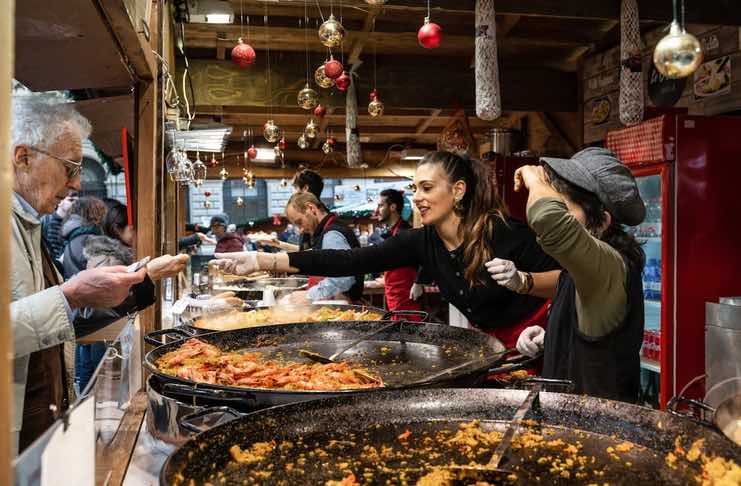
Food has always been more than just fuel. It brings people together, tells stories, and creates memories that last far longer than the meal itself. But in recent years, the way people experience food has shifted dramatically. Diners are no longer satisfied with simply sitting at a table and ordering from a menu.
They want something bigger, something immersive, something that engages all the senses at once. From themed dining events to culturally rich food festivals, creative food experiences are reshaping what it means to eat out.
When Dinner Becomes a Show
This shift is especially vibrant in places like Pigeon Forge, Tennessee, where food and entertainment come together in ways that surprise and delight visitors.
One of the most unique things to do in Pigeon Forge is to experience a live dinner show that offers mouth-watering dishes. The experience transforms a show into a culinary event where every bite is paired with something spectacular happening right in front of you.
Dolly Parton’s Stampede is one of the most visited live entertainment shows. It’s a breathtaking production featuring amazing aerial performances, thrilling horse-riding stunts, special effects, and phenomenal music productions that keep the audience captivated from start to finish.
Watch this video to get a glimpse:
But what truly sets the evening apart is the four-course feast served right to your seat while the action unfolds. Guests dig into Tender Whole Rotisserie Chicken, Buttery Corn on the Cob, Homestyle Mashed Potatoes, and much more, all without missing a single moment of the performance. It is the kind of dining experience that turns a meal into a lasting memory, and it perfectly captures the spirit of how food experiences are evolving.
Food Festivals and Street Markets Redefining Flavor
Food festivals have been around for decades, but they have evolved far beyond simple vendor booths and corn dog stands. Today’s food festivals are curated events that celebrate regional cuisines, spotlight local chefs, and bring together flavors from different cultures in one lively setting.
Street food markets, in particular, have become gathering places for communities. They offer a casual, open-air environment where people can sample everything from wood-fired flatbreads to slow-smoked meats to handcrafted desserts. The atmosphere is social, vibrant, and centered around discovery. You might walk in craving one thing and leave having tried five dishes you never knew existed.
What sets modern food festivals apart is their focus on storytelling. Many events now include live demonstrations, guided tastings, and conversations with the people behind the food. Diners are not just consuming meals. They are learning about the traditions, techniques, and passion that go into every recipe. This deeper connection to food makes the experience far more meaningful than a typical restaurant visit.
Watch this video to get a glimpse of some of the best food festivals in America:
Local Dishes and Regional Food Culture Taking Center Stage
One of the most exciting trends in creative dining is the renewed focus on local food culture. More diners are seeking out dishes that are rooted in the traditions of a specific region, prepared with locally sourced ingredients, and served in settings that reflect the character of the area.
This shift has given rise to farm-to-table dining experiences, where the journey from field to fork is part of the story. Guests sit down at long communal tables set up in barns, vineyards, or open meadows, and enjoy meals that highlight the best of what the surrounding land has to offer. The emphasis is on freshness, seasonality, and simplicity, letting the ingredients speak for themselves.
Watch this video to learn more:
Regional food culture also thrives in smaller, family-run establishments that have been serving the same beloved recipes for generations. These spots carry a sense of history and authenticity that chain restaurants cannot replicate. Eating at one of these places feels like being welcomed into someone’s home, where the food tells the story of the people who made it.
How Travel and Food Have Become Inseparable
Travel and food have always gone hand in hand, but the relationship between the two has grown stronger than ever. More travelers are now planning entire trips around culinary experiences. A weekend getaway might be built around visiting a famous food hall, attending a seasonal harvest festival, or exploring a town known for its local delicacies.
Food-focused travel encourages people to slow down and engage with their surroundings more intentionally. Instead of rushing from one tourist attraction to the next, culinary travelers spend their time wandering through markets, chatting with vendors, and sitting down for long, leisurely meals. It is a style of travel that values quality over quantity and connection over convenience.
This trend has also opened doors for smaller towns and lesser-known destinations to attract visitors. A place does not need a famous skyline or a world-renowned museum to draw travelers. Sometimes, all it takes is a legendary barbecue joint, a beloved bakery, or a dining experience that cannot be found anywhere else. Food has become a powerful reason to explore new places, and that is changing the travel landscape in exciting ways.
The Future of Dining Is All About Experience
The way people dine is changing because expectations are changing. A good meal is no longer enough on its own. People want to feel something when they sit down to eat. They want to be surprised, educated, and emotionally moved. They want to walk away from the table with a story to tell.
Creative food experiences deliver exactly that. Whether it is a theatrical dinner paired with live entertainment, a themed pop-up that transports you to another world, or a quiet farm-to-table meal set against a stunning landscape, these experiences remind us that food is one of the most powerful connectors we have. It bridges cultures, sparks conversations, and turns ordinary moments into extraordinary ones.
As more chefs, event organizers, and communities embrace this philosophy, the dining landscape will only continue to evolve. The plate is no longer the final destination. It is just the beginning of something much bigger.