

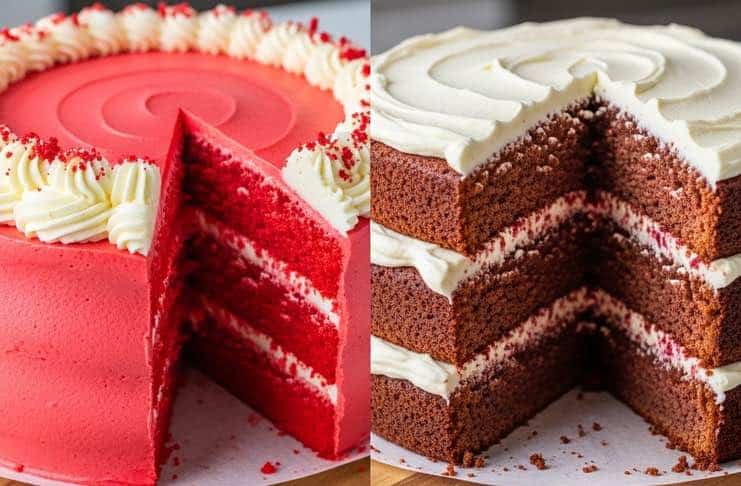
The first thing you notice about your food isn’t the smell or the taste—it’s the color. It’s a powerful signal, hinting at freshness, flavor, and quality. And no color grabs our attention quite like red. Its vibrant hue is a favorite in processed foods, from strawberry drinks to tomato sauces, because it screams flavor and appeal. But as more and more consumers seek transparency and ingredients they can understand, the demand for natural red food coloring is exploding. This isn’t just a fleeting trend; it’s part of a bigger shift toward clean-label products.
I still remember the first time I made a batch of red velvet cupcakes from scratch as a young pastry chef. The recipe called for a shocking amount of Red 40—a little bottle of what looked like pure chemical fire. I poured it in, watched the batter turn a vibrant, almost cartoonish crimson, and felt a twinge of something… uncomfortable. It wasn’t the taste I was worried about, but the feeling that I was using an ingredient that had no business being in something so classic and comforting.
For years, that was the industry standard. We wanted colors that screamed “look at me!” and artificial dyes were the simplest, most stable way to get there. They were cheap, foolproof, and they made our creations pop. But a quiet revolution has been brewing, and it’s driven by you, the consumer, who started asking a simple question: “What is that, really?” That simple query has turned the food world upside down, pushing us to ditch the lab-made reds and embrace the beauty of nature’s palette. The shift to natural red food coloring is a reflection of a deeper consumer desire for transparency and trust.
What’s the Real Difference Between Artificial & Natural Reds?
The difference is a tale of two philosophies: one of convenience and one of authenticity. On one side, you have the old guard: synthetic reds like Red 40 (also known as Allura Red) and Red 3 (Erythrosine). They are engineered in a lab from petroleum-based chemicals. They’re cheap to produce, stable as a rock, and can withstand long shelf lives and cooking temperatures without losing their vibrant color. That’s why they’ve been the go-to for everything from candy to red velvet cake.
On the other side, you have the new guard: natural red food coloring. These are the good guys, derived from edible, naturally occurring sources like the mighty beet, the humble black carrot, sweet potato, and radish. They bring a more nuanced, earthy red to the table and offer a stunning range of shades. Unlike their synthetic counterparts, natural colors are more delicate and can be sensitive to heat, light, or pH levels. However, thanks to continuous innovation in food technology, these natural shades are becoming more stable and versatile, allowing manufacturers to create visually appealing products without sacrificing color intensity. Natural colors not only make food look good but often come with added antioxidant properties, a bonus you’ll never get from a lab-created dye.
Where Does Natural Red Food Coloring Come From?
Red is a common sight in nature, from fruits like cherries and raspberries to vegetables like red cabbage and beets. These vibrant hues come from powerful pigments like anthocyanins and betalains, many of which also have antioxidant properties. This means that when you use a natural food coloring, you’re not just adding color—you’re potentially adding nutritional value.
The process of extracting these natural red colors can be challenging. Different raw materials react differently to temperature, acidity, and storage. However, modern food producers now use advanced techniques to make natural red shades more consistent, even in products that require long shelf lives or high-heat processing.
How Does the Color Red Influence Our Perception of Food?
The color red also has a profound psychological effect on us. It’s one of the first things we notice about food and often signals ripeness, sweetness, and quality. Think of a perfectly ripe strawberry 🍓 or a juicy, seared steak. Red triggers our brain to expect a certain taste and freshness. In fact, research shows that a red-colored drink may be perceived as fruitier or sweeter than the exact same drink in a different color. This powerful association with flavor and appetite is why red is so often used in food packaging and restaurant design to stimulate our cravings.
Why are Consumers Pushing for Change?
Consumer preferences are changing. Many people are actively avoiding synthetic colors due to health concerns and a desire for transparency. They prefer natural colorants that come from plants and are easy to understand on ingredient lists. Vibrant red colors with hard-to-read labels are becoming more and more off-putting for today’s consumers.
This trend is pushing more companies to switch from synthetic reds to natural alternatives. The move toward natural food coloring isn’t just about replacing a synthetic ingredient; it’s about reflecting consumer values around health, sustainability, and authenticity.
Red will always be a powerful and impactful color in the food world. But as awareness grows and technology improves, natural reds will continue to gain popularity. They will not just symbolize flavor and indulgence but also transparency and trust, reinforcing the idea that natural solutions are here to stay.
Want to read more of our latest posts? Check out our review of Juici Patties!