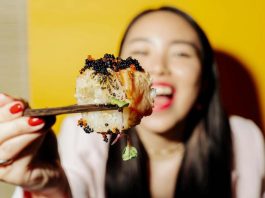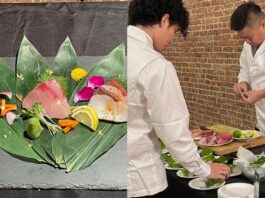
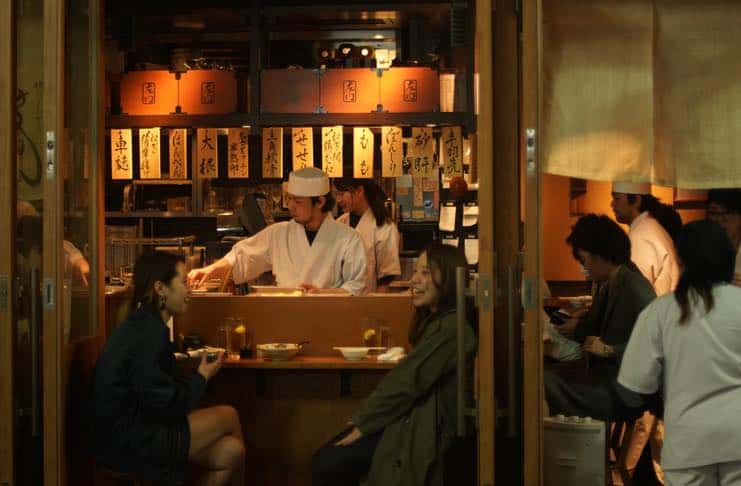
Hibachi isn’t just dinner—it’s a show, a tradition, and a sensory experience wrapped in sizzling flavors. The word “hibachi” translates to “fire bowl,” referring to the small, portable heating device historically used in Japan. Over time, this cooking style evolved into a performance-driven dining experience, where skilled chefs entertain with dazzling knife work and theatrical flair while grilling meats, seafood, and vegetables to perfection. In this post, as part of our Japanese food tips, we explore the art of Hibachi.
A Fiery History
Hibachi cooking dates back centuries, but what most people recognize today as “hibachi restaurants” is actually teppanyaki—a style that emerged in Japan in the mid-20th century. Teppanyaki, meaning “grilled on an iron plate,” became famous for its interactive dining format, captivating audiences worldwide. The renowned Benihana chain helped popularize the concept in the U.S. in the 1960s. (Source: Smithsonian Magazine)
More Than Just a Meal: An Interactive & Educational Performance
Hibachi is more than just a meal; it’s an experience. It’s an interactive performance that engages all the senses. But it’s also a chance to learn! The chef’s artistry with their knives, the playful dance of the flames, and the shared joy of experiencing something special together are all enhanced by explanations of techniques and ingredients. Did you know that “hibachi” actually translates to “fire bowl”? It’s a way to bring people together, creating a shared memory over sizzling plates of delicious food. (Source).
Culinary Artistry Delivered to Your Door: The Hibachi Family Difference
Imagine premium cuts of meat sizzling to perfection, colorful vegetables bursting with freshness, and the tempting flavors of expertly crafted sauces—all prepared in your own space. Thanks to private hibachi services, you don’t need to worry about reservations or crowded restaurants. They handle everything, from setup and cooking to cleanup, so you can simply enjoy the show, savor the moment, and ask questions about the fascinating world of Japanese cuisine. (Source: Serious Eats)
The Flavor Factor: What Makes Hibachi Stand Out?
Beyond the entertainment, hibachi delivers bold flavors. A combination of garlic butter, soy sauce, and umami-rich seasonings transforms simple ingredients into mouthwatering dishes. Common sauces like ginger sauce, mustard sauce, and the ever-popular “yum yum sauce” (which isn’t traditionally Japanese but has become a staple in the U.S.) add another layer of indulgence. (Source: Bon Appétit)
Watch this to learn more:
Your Next Gathering: A Feast for the Senses and the Mind
The next time you’re planning a gathering, think about adding a touch of excitement, culinary magic, and cultural insight. A hibachi experience isn’t just dinner—it’s a celebration of fire, flavor, and connection. Whether it’s a birthday, anniversary, or just a special night in, bringing hibachi home creates a memorable evening full of good food, laughter, and a little bit of fire.
Learn more and book your Hibachi Family experience today by visiting the Hibachi Family Website.
- About the Author
- Latest Posts

Monti Lawson is a farmer, land steward, and community builder whose relationship with food goes all the way to the soil. The founder and lead land steward of Catalyst Collaborative Farm and site supervisor and farmer-in-residence at WILDSEED Community Farm & Healing Village in the Mid-Hudson Valley, Monti spent over a decade as a community gardener and urban farmer in New York City before putting down roots in upstate New York. Grounded in the principles of agroecology, his work centers justice and equity — reimagining food systems as pathways for healing and empowerment, not just sustenance. A graduate of Farm School NYC, he has welcomed hundreds of community members from NYC to the farm through camping weekends, community work days, and seasonal festivals. He is a member of Black Farmers United of New York State, the Northeast Farmers of Color Land Trust, and the NYS BIPOC Grower Support Network, and served as the inaugural USDA Farm Service Agency County Committee representative for Manhattan and Staten Island in 2023. At New York Street Food, Monti brings a grower’s perspective to the conversation about where food comes from, who tends it, and why that matters.