One of the quickest ways to turn a busy service into a disaster is to run out of critical supplies when you need them most. Every chef, manager, and server dreads that moment in the middle of a dinner rush, realising a key ingredient is missing, or the grill has gone cold.
For any restaurant, keeping essential items on hand isn’t just about convenience, it’s about delivering on every order, protecting your reputation, and keeping the business running smoothly. But how do you avoid running out of those key supplies? Start here!
The Real Costs of Running Out
Stock shortages don’t just frustrate customers, they also cost money and time. When a restaurant runs out of basics like oil, cleaning products, gloves, or cutlery, staff have to substitute, change the menu, or sometimes cancel orders entirely.
When they occur regularly, shortages can also mean wasted labour as kitchen staff scramble for replacements, dropping hygiene standards, or food waste when backups spoil before use. Even worse, repeat problems can show up in online reviews, hurting your restaurant’s reputation as a whole and affecting future bookings. Watch this newsreel for some inspiration:
Building a Smarter Inventory Checklist
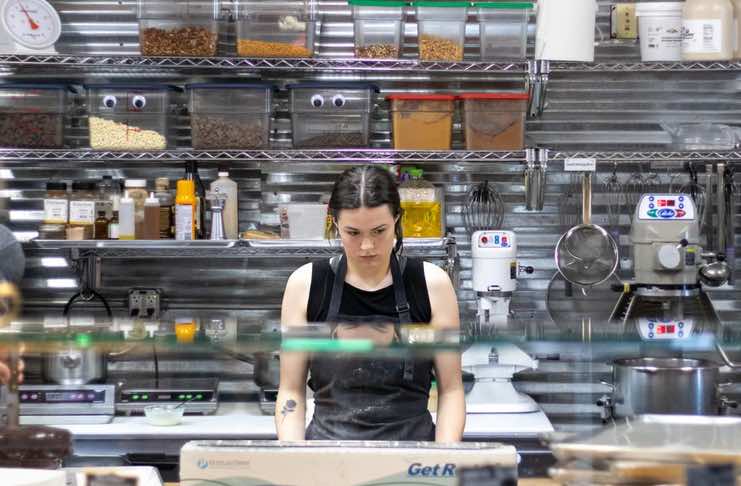
Prevention starts with making a detailed inventory checklist, a master list of the supplies your kitchen can’t operate without. The essentials should include dry goods, perishables, cleaning agents, and of course, crucial items like propane tanks for the grill or stove.
A good checklist should include:
- Item name
- Quantity on hand
- Minimum reorder level
- Expiry or best-by dates (for perishables)
- Supplier name and contact information
- Last order date
- Storage location
- Notes for special handling or backup options
Include everything you regularly replenish, but also fast-moving items like flour, cooking oils, or specialty spices. Remember to add kitchen consumables like food-safe gloves, plastic wrap, and backup utensils, which vanish faster than most people realise during a busy week. Watch this video for some useful tips:
Track Usage and Fast-Moving Products
Don’t let surprises sneak up on the team! Keep a daily tally of what comes in and what goes out, either on a shared spreadsheet or using a simple point-of-sale system that tracks ingredient depletion. Patterns develop quickly: some dishes sell out every weekend, some ingredients barely get touched for days (read this Reddit discussion for more tips). Simple tracking helps you spot trends, so you can adjust orders and avoid over- or under-stocking.
Pro tip: Highlight essentials that run out fastest. Ask your team at the end of each week: was anything dangerously low, nearly missed, or leftover? This helps identify which items need more frequent reorders or larger safety stock.
Keeping Backup Stock for Emergencies
Even with the best planning, busy kitchens sometimes go through stock faster than expected. That’s why it is recommended to keep a small backup supply of all must-have ingredients and utilities. This is especially important for perishables with shorter shelf lives (think eggs, dairy, greens) and non-perishables that take time to restock.
Propane is a great example. Many city restaurants, food trucks, and pop-up chefs rely on propane kitchens for everything from sautéing to baking. Running out mid-service means cold grills and angry guests. While a backup tank is smart, many kitchens now use commercial propane delivery to guarantee they never run low. Scheduled service and automated tank monitoring remove the guesswork, so fuel never stands in the way of your signature dish. Watch this video for some more tips:
Partnering with Reliable Suppliers and Scheduling Deliveries
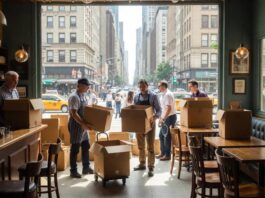
Strong supplier relationships make all the difference during crunch time. Choose vendors known for reliability, clear communication, and flexibility on rush orders. Take advantage of standing orders, flexible delivery slots, and digital reordering platforms to streamline your ordering process and have a track record of every item.
Be sure to confirm delivery times with your suppliers at the start of each week and set calendar alerts for important restock dates. Consistent scheduling helps you build routines, avoid last-minute scrambles, and keep your team focused on food, not logistics.
Staying Ready for Any Rush
Running a great kitchen is all about anticipation. By building an inventory checklist, monitoring usage, securing backup stock, and partnering with reliable suppliers, you’ll keep even the busiest service running smoothly.
If you’d like advice on New York’s latest restaurant tech or want to see what other kitchens are doing, explore our resources on setting up a successful kitchen and keeping it running. With a little planning, every shift can be set up for success: no more outages, just great food and happy guests!
Restaurant Inventory Checklist: Quick Answers
How often should a restaurant do a full inventory count?
Most kitchens run a full count weekly, with fast-moving items like proteins, dairy, and gloves checked daily. High-volume spots or food trucks with limited storage often need daily spot checks on everything, not just perishables.
What’s the minimum backup stock a kitchen should keep?
There’s no universal number since it depends on delivery frequency and storage space, but the rule of thumb is enough backup to cover the gap between a missed delivery and the next scheduled one, plus a buffer for a busy weekend.
Why do propane shortages hit food trucks and carts harder than brick-and-mortar restaurants?
Mobile kitchens don’t have the storage footprint for large backup reserves, so a missed or delayed refill can shut down service entirely rather than just limiting the menu. That’s why scheduled delivery and tank monitoring matter more for trucks and carts than for a restaurant with a walk-in and more square footage to buffer against a bad week.
What’s the cheapest way to start tracking inventory without new software?
A shared spreadsheet with columns for item, quantity on hand, and reorder threshold covers the basics. It won’t automate anything, but it forces the habit of checking and logging, which is the part most kitchens actually skip.