
|
Key Takeaways
|
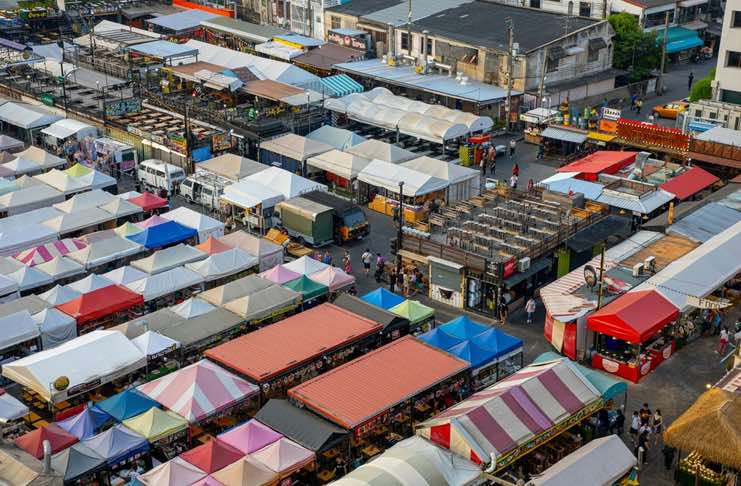
Picture yourself weaving through a lively outdoor NY food market. The scent of grilled skewers hangs in the air, vendors call out their specials, and above you, a patchwork of colorful tarps stretches across the space. Those overhead covers quietly shape how the market functions, how vendors operate, and how customers like you experience the entire environment.
If you’ve ever lingered longer in one stall than another or felt more comfortable browsing under a shaded walkway, you’ve already experienced the subtle influence of tarp canopies. These strategic tools impact everything from food safety to branding, from foot traffic to vendor efficiency. As outdoor food markets continue to grow in popularity, these structures play an increasingly important role in keeping everything running smoothly.
Check out this video of the Farmers Market in Union Square, NYC – to get a glimpse of all the tarp canopies:
Choosing the Right Canopy for Market Success
Unpredictability is one of the most common challenges outdoor vendors face. Weather can shift quickly, foot traffic can surge without warning, and not every setup works for every type of food business. A poorly chosen canopy can lead to discomfort, inefficiency, or even lost sales.
That’s why it helps to explore reliable sources before committing to a setup. Explore provider sites, like inlandtarp.com, to pick the right one from a wide range of options. Doing so gives you access to different materials, sizes, and configurations tailored to your specific needs.
The right choice can make the difference between constantly adapting to problems and running a smooth, professional operation. This holds whether you’re running a small stall or managing multiple vendor booths.
Understanding Tarp Canopies and Their Materials
When you’re choosing a canopy, the material isn’t just a detail. It defines how your setup performs throughout the day. Each option comes with its own strengths, trade-offs, and ideal use cases.
Canvas Tarps
Pros: Breathable, reduces heat buildup, and offers a classic, natural look that fits artisanal or traditional markets.
Cons: Not fully waterproof and can be heavier to handle, especially when wet.
Best for: Dry climates, heritage-style stalls, or vendors focused on aesthetics and comfort over full weather resistance.
Vinyl Tarps
Pros: Highly durable, fully waterproof, and resistant to wear, making them ideal for frequent use.
Cons: Heavier and often more expensive than other materials.
Best for: High-volume vendors, long market days, or areas prone to rain where reliability matters most.
Poly Tarps / Polyethylene Tarps
Pros: Lightweight, affordable, and easy to transport and install.
Cons: Less durable over time and may degrade faster under constant sun exposure.
Best for: New vendors, temporary stalls, or those testing different market locations without a large upfront investment.
Mesh Tarps
Pros: Allows airflow while providing partial shade, helping reduce heat without trapping it underneath.
Cons: Offers limited protection against rain and debris.
Best for: Hot, humid environments where ventilation is more important than full coverage.
Shade Tarps
Pros: Designed specifically to block UV rays and reduce glare, improving comfort for both vendors and customers.
Cons: Not always waterproof, so they may need to be paired with other materials.
Best for: Sunny regions, daytime events, and markets where heat management is a priority.
Understanding these differences allows you to match your canopy material to your environment and operational needs. Instead of settling for a one-size-fits-all solution, each material reflects advancements in material technology, giving vendors more control over their setup than ever before.
The Evolution of Outdoor Food Markets
Outdoor food markets aren’t new. Communities relied on open-air trading spaces to buy and sell fresh goods long before supermarkets and delivery apps. These markets were, and still are, places where culture, commerce, and conversation intersect.
Today, their role has expanded. Weekend bazaars, street food hubs, farmers markets, and themed culinary events are drawing crowds in cities and small towns alike. You’ll find everything from traditional recipes to experimental fusion dishes, all served in dynamic, open environments.
What’s interesting is how the physical setup has evolved alongside these trends. The rise of the outdoor canopy has transformed markets from loosely organized gatherings into thoughtfully designed spaces. With better layout planning and materials, markets now feel more cohesive, comfortable, and visually appealing.
Protection and Functionality in Changing Conditions
You’re constantly exposed to the elements when you’re operating outdoors. Rain, heat, and wind all affect how your stall performs and how customers interact with your space.
Tarp canopies provide essential protection from the elements, helping maintain consistent operations despite shifting weather conditions. A well-installed canopy shields food preparation areas from dust and debris, supporting hygiene standards while improving overall outdoor protection.
Modern tarps are designed with features like reinforced grommets and tear-resistant fabrics to withstand frequent use. Some incorporate fire-retardant tarps, which add an extra layer of safety in busy cooking environments.
Apart from durability, effective canopies also block harmful ultraviolet rays, offering reliable UV protection for both vendors and customers. In hot climates, this can significantly improve comfort and reduce heat-related stress during long operating hours.

Improving Vendor Operations and Workflow
Behind every great food stall is a system that works. Tarp canopies help you create that system by defining space and improving efficiency.
When you set up under a canopy, you naturally establish zones for cooking, preparation, and service. This organization allows for smoother movement, especially in crowded vendor booths where every inch matters. Add side panels, and you gain even more control over layout and privacy.
The structural components also matter. Using heavy-duty frames made from materials like galvanized steel, along with reliable canopy fittings such as a two-way connector or a flat roof corner, ensures your setup remains stable throughout the day.
For many vendors, especially newcomers, tarp systems offer a cost-effective entry point. Instead of investing in permanent structures, you can rely on versatile solutions that adapt to different locations and event sizes. After all, flexibility is key, whether you’re part of a farmer’s market or rotating through seasonal events.
Elevating the Customer Experience
You might not think about it consciously, but the presence of a canopy changes how you feel in a market. Shade encourages you to stay longer. Shelter makes browsing more enjoyable. Together, these factors influence how much you explore and ultimately, how much you buy.
Comfort plays a major role in the customer experience. A shaded walkway lined with stalls feels inviting, especially during peak sun hours. By filtering UV rays, canopies create a more pleasant environment where customers can linger without discomfort.
Visual appeal is another factor. Coordinated tarps, thoughtful lighting, and creative layouts can transform a simple market into a vibrant destination. The entire space feels curated rather than chaotic when done well.
This matters because the atmosphere directly affects spending behavior. People are more likely to try new foods, engage with vendors, and return in the future when the environment feels welcoming.
Food Trucks and Mobile Setups
Food trucks have become a staple of modern food markets, and they benefit just as much from tarp canopies as traditional stalls. While the truck itself provides a built-in kitchen, additional coverage expands functionality.
For example, a small canopy attached to the side of a truck can create a shaded waiting area or extend the serving space. This is especially useful during busy events where lines form quickly. You’ll often see setups like this at large urban gatherings, including operations run by one of the many food trucks that serve healthy street foods in NY, for example.
Canopies also help protect equipment and ingredients during service. With the right setup, food trucks can maintain efficiency while offering a more comfortable experience for customers standing in line.
Design, Branding, and Market Identity
Standing out matters in a crowded market. Tarp canopies offer an opportunity to express your brand visually while maintaining functionality.
Custom colors, printed logos, and unique shapes can turn a simple stall into a recognizable presence. Some vendors invest in custom tarps that align with their branding, creating consistency across different events.
Market organizers also use canopies to establish a cohesive look. Coordinating colors and layouts enables them to transform a collection of individual stalls into a unified environment. This not only enhances aesthetics but also strengthens the market’s identity as a whole.
Sustainability and Smart Material Choices
As outdoor markets grow, so does the need for sustainable practices. Tarp canopies, when chosen carefully, can support these efforts. Reusable materials reduce waste compared to temporary constructions. High-quality options like a super heavy-duty tarp or well-designed tarpaulin covers can last for years with proper care. This longevity makes them a practical choice for vendors who participate in frequent events.
Some suppliers are also exploring eco-friendly alternatives, incorporating recyclable materials and more efficient manufacturing processes. Even small decisions, like selecting the right tarp thickness for durability, can help reduce environmental impact over time.
Common Challenges and Practical Solutions
Despite their multiple benefits, tarp canopies come with challenges. Wear and tear are inevitable, especially in markets exposed to constant weather changes. Improper installation can lead to instability, while poor maintenance may reduce lifespan.
To address these issues, it helps to focus on quality and setup:
Choose Durable Materials
Investing in stronger materials upfront often reduces long-term costs by minimizing replacements and unexpected downtime. Opt for tarps designed for repeated use, such as construction tarps or those used in demanding environments like athletic field covers. These are built to handle stress and exposure.
Invest in Proper Support Systems
Strong frames and reliable connectors reduce the risk of collapse or damage. A stable structure not only protects your setup but also reassures customers that your stall is safe and professionally managed.
Maintain Regularly
Cleaning and storing your canopy correctly can extend its usability significantly. Simple routines, like drying tarps before storage and checking for small tears, can prevent minor issues from becoming costly repairs.
Taking these steps ensures that your canopy remains an asset rather than a liability. When properly managed, it continues to support daily operations without constant replacement or repair.
Future Trends and Market Resilience
Outdoor food markets are evolving. At the same time, market dynamics are shifting. Regardless, food markets remain relevant, particularly in this current economy. Recent data show that nine in 10 Americans prefer home-cooked meals to ordering in or eating out. This is unsurprising, since the costs of away-from-home meals and delivery fees have climbed way higher than grocery prices.
This trend highlights the importance of affordable, community-based food options. Markets offer a middle ground—accessible meals, local products, and a social experience that’s hard to replicate elsewhere.
Tarp canopies are evolving with such shifts. Innovations in design and materials are making setups more efficient, durable, and visually appealing. Looking ahead, expect to see smarter canopy systems with integrated lighting, improved ventilation, and enhanced durability. As the tarps industry continues to innovate, these structures will play an even bigger role in shaping how markets operate.
Beyond Food Markets: Expanding Use Cases
One of the reasons tarp canopies are so valuable is their adaptability. The same systems used in food markets can be applied to a wide range of outdoor activities.
You’ll find similar setups at outdoor wedding receptions, where they create elegant dining spaces, or in backyard gatherings using patio covers. Even during a camping trip, a simple tarp can provide shelter and comfort in remote environments.
They’re also common in flea markets, where vendors rely on portable solutions to protect goods and create inviting displays. In larger events, canopies can be arranged to cover buffet lines, ensuring food stays protected while guests move through the space.
This versatility reinforces their value not just as temporary fixes but as reliable tools across different settings.
More Than Outdoor Market Covers
Tarp canopies may seem like simple additions, but their impact on outdoor food markets runs deep. They shape how spaces are organized, how vendors operate, and how customers experience the environment. Without them, markets would feel less comfortable, less efficient, and far less inviting.
As you explore or participate in these spaces, it’s worth paying attention to what’s overhead. Those layers of fabric and structure are doing more than providing shade and are quietly supporting the entire ecosystem. And as markets continue to evolve, tarp canopies will remain at the center of that transformation.
They also reflect a broader shift toward flexible, experience-driven environments where function and atmosphere go hand in hand. As materials improve and designs become more intentional, you’ll likely see canopies playing an even bigger role in shaping how people gather, dine, and connect. In many ways, they’re no longer just part of the setup but rather part of the story.
- About the Author
- Latest Posts

Emma Wrayne Rudy is an NYC-based food writer and storyteller dedicated to uncovering the city’s best hidden gems. Her passion for the culinary world sparked at age 17 in Los Angeles, where she spent her days exploring neighborhood eateries and documenting her dining experiences. Now immersed in New York City’s endless food scene, Emma shines a spotlight on the diverse, affordable, and underrepresented culinary cultures that define the five boroughs—from historic food carts and mobile trucks to beloved “mom-and-pop” storefronts.