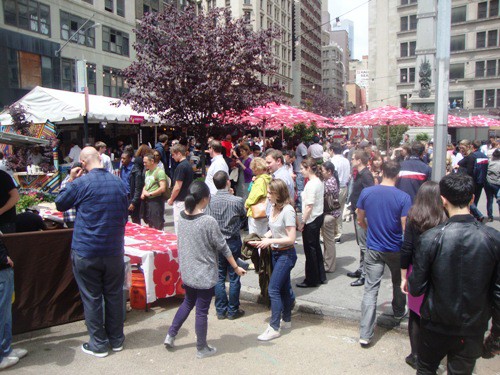

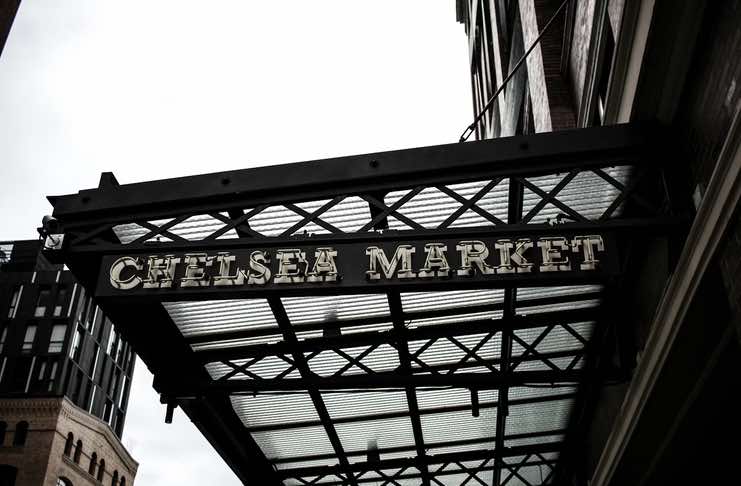
New York City has more food halls per square mile than almost anywhere else in the country, and the number keeps climbing. Chelsea Market started something. Then came DeKalb Market, Gotham West, Urbanspace, Time Out Market, and dozens more. The competition for foot traffic is real, and operators have figured out something important: the best menu in the building doesn’t guarantee a loyal guest. The overall experience does. How a space feels, how loud it is, how easy it is to navigate — these things now drive return visits as much as the food itself.
Watch this video to get a glimpse of the most famous food market in NYC:
The operators who are winning right now are thinking about design before the first vendor signs a lease. That includes lighting, flow, wayfinding, and increasingly, the acoustic environment. Sound masking solutions are showing up in food hall design briefs as a baseline requirement, not an afterthought. Operators are specifying ceiling treatments, speaker-based ambient sound systems, and zoned acoustic planning at the architectural stage because they’ve learned what happens when you don’t. The answer is a cavernous, exhausting space that people leave earlier than they intended.
What NYC Food Halls Have Learned From Early Design Mistakes
The first wave of modern food halls in NYC was exciting and often uncomfortable. High ceilings with no acoustic treatment turned every busy lunch service into a wall of noise. Vendor stalls were arranged for maximum density, not for how people actually move through a space. Guests would arrive hungry and leave overwhelmed, not necessarily because the food disappointed them but because the environment wore them out.
Operators noticed the data. Shorter dwell times. Lower average checks. Social media reviews praised individual vendors but described the overall experience as chaotic. The design problems were doing real commercial damage.
The second generation of food halls absorbed those lessons hard.
The Guest Experience Framework
Smart operators today plan around three things: comfort, flow, and atmosphere. These aren’t soft concepts. They’re measurable outcomes that directly affect revenue.
Comfort means a guest can stay for 45 minutes without feeling fatigued. Flow means they can find what they’re looking for in under 60 seconds and move between zones without friction. Atmosphere means the space has a coherent emotional identity — it feels like somewhere specific, not like a generic food court with good vendors dropped into it.
When all three work together, dwell time increases. And longer dwell time means more spending, more social sharing, and a greater likelihood of a return visit. The design is the business model.
How Acoustics Became a Priority in Food Hall Design
Noise is the number one reason guests cut visits short in high-volume food spaces. Research from the hospitality and restaurant design industry consistently shows that when ambient noise exceeds 75 to 80 decibels, guests become uncomfortable, conversation becomes effortful, and the impulse to leave accelerates. In a space with hard floors, exposed ceilings, and dozens of simultaneous cooking and conversation sounds, hitting that threshold is easy.
The relationship between acoustics and revenue is direct. A guest who stays 20 minutes longer orders another drink, shares a dessert, and comes back next week. A guest who leaves early because their ears hurt does not.
The Design Elements That Define a Great Food Hall in 2024
Modern food hall design is a discipline now. The operators and architects doing this well are working from a specific playbook.
Zoning and Layout for Crowd Flow
The best food halls separate movement from consumption. Entry zones, browsing corridors, ordering areas, and seated dining zones each serve a different behavioral mode. When these zones blur into each other, crowding creates stress, and guests make faster, less considered decisions. Defined zones slow people down in the right places and speed them up in the right places.
Vertical separation helps too. Even a modest change in ceiling height between a busy vendor corridor and a seated area signals a shift in pace and purpose. Guests respond to these cues instinctively.
Take a look at DeKalb Market Hall:
Lighting Design That Sets the Mood Without Killing the Energy
Food halls live or die on energy. You want the space to feel alive. But alive doesn’t mean blasted with uniform bright light from above. The food halls that feel best use layered lighting: warm ambient light at human height, focused task lighting at vendor counters, and subtle accent lighting that draws the eye toward key architectural moments.
Dimmer controls that shift the color temperature and intensity from lunch service to evening hours are increasingly standard. The space should feel different at 7pm than it does at noon. That’s intentional.
Acoustic Planning as a Baseline Feature
Ceiling clouds, suspended baffles, fabric-wrapped panels, and soft seating surfaces are no longer luxury upgrades. They’re infrastructure. The food halls getting this right are specifying acoustic materials at the same stage they’re specifying flooring and HVAC. Retrofitting acoustic treatment into a finished space is expensive and often visually compromising. Building it in from the start is neither.
The goal isn’t silence. A food hall should feel energetic. The goal is controlled reverb and a noise ceiling that keeps conversation comfortable at normal volume. That’s a solvable engineering problem when it’s addressed early.
Wayfinding and Visual Identity Across Vendor Stalls
A guest should understand the layout of a food hall within the first thirty seconds of entering. That means clear sightlines, logical vendor clustering by category or zone, and consistent signage language that doesn’t compete visually with every vendor’s individual branding.
The best spaces use floor treatments, ceiling changes, and lighting transitions to guide movement without a single sign. When wayfinding is done well, guests don’t notice it. They just feel comfortable. That’s the point.
Watch this news reel to get a glimpse of Gotham West Market:
Case Studies From NYC Food Halls That Got It Right
DeKalb Market Hall in Brooklyn addressed the acoustic challenge of a basement space by incorporating suspended ceiling baffles and strategic soft furnishing throughout the seating areas. The result is a space that feels energetic during peak hours without becoming punishing. Dwell times are notably longer than comparable food hall formats in the city.
Gotham West Market on the far west side of Midtown took a different approach, using architectural zoning to create distinct acoustic environments within a single continuous space. The bar area runs louder by design. The seated dining corridor is noticeably quieter. Guests self-select based on what they want from the visit, and the space accommodates both.
Time Out Market New York invested heavily in the rooftop and upper-level seating areas as acoustic relief valves. When the main floor gets loud, there’s somewhere to go. That pressure release keeps guests in the building rather than sending them out the door.
Watch this video to get a glimpse:
What Operators Should Prioritize When Planning a New Food Hall Space
If you’re developing or renovating a food hall, here’s where the attention belongs before anything else.
Start with an acoustic audit of the raw space. Concrete box? Exposed steel deck? You have a problem that needs a design solution, not a surface treatment applied at the end. Get an acoustic consultant in early.
Specify flooring with sound absorption in mind. Hard tile everywhere is a choice that costs you later. Zoned flooring with softer materials in seating areas makes a measurable difference.
Plan your vendor layout around flow, not density. Cramming in one more stall is rarely worth the friction it creates in the guest experience.
Budget for lighting design as a separate line item. Generic commercial lighting is not a food hall aesthetic. It works against you.
And treat wayfinding as a design problem, not a signage problem. Signage is the last resort. Space planning is the solution.
Building a Space Guests Want to Come Back To
The details that keep guests coming back are mostly invisible to them. They don’t consciously notice that the ceiling baffles are absorbing flutter echo or that the lighting temperature shifted when they moved from the vendor corridor to the dining area. They just know they feel comfortable. They know conversation is easy. They know the place has a vibe they can’t quite name but want to experience again.
That’s what great food hall design actually delivers. Not a spectacle. A feeling.
For operators working through the acoustic side of that equation, New York Soundproofing works directly with NYC food and hospitality venues on acoustic planning, sound control, and treatment solutions at both the design and renovation stages. It’s the kind of partnership that pays off in the details guests feel but never see.