

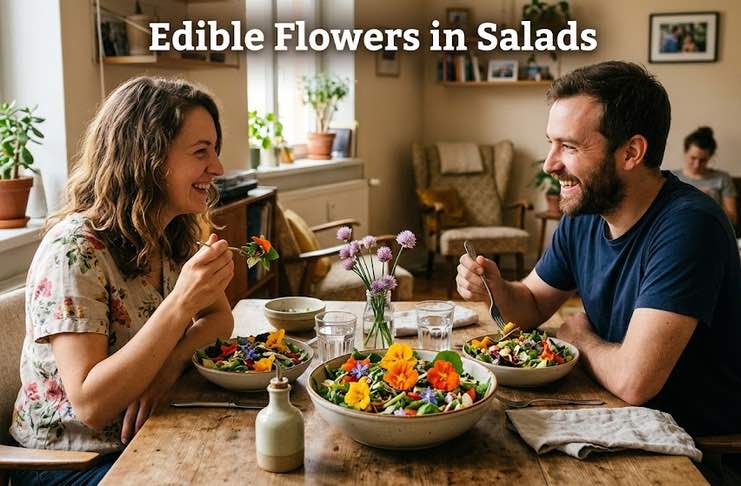
The ancient Romans tossed rose petals into their wine and salads to celebrate the arrival of spring. This culinary tradition vanished from Western plates for centuries, relegated to the status of a mere garnish. Today, edible flowers in salads are reclaiming their place as essential ingredients rather than decorative afterthoughts. A simple bowl of greens transforms into a gourmet masterpiece when you sprinkle vibrant nasturtiums or delicate violets across the surface, much like arranging miniature bouquets of roses on a fresh canvas. These blossoms provide more than visual appeal; the petals offer complex flavors ranging from spicy peppercorn to sweet nectar. Incorporating edible flowers into your kitchen repertoire requires a blend of botanical knowledge and culinary curiosity. This guide provides the necessary tools to select, clean, and pair these botanical wonders with confidence.
In my experience as both a florist and an enthusiast of floral cuisine, the first bite of a flower surprises most people. I remember serving a simple arugula salad topped with bright orange nasturtiums at a garden party in the Pacific Northwest. One guest hesitated, unsure if the petals were truly food. Once that guest tasted the initial peppery kick—strikingly similar to a radish—the skepticism vanished. MyGlobalFlowers encourages this exploration of flavor. Edible flowers bring a sense of wonder back to the dinner table. Let’s dive into the essential details of safely bringing the garden into your kitchen.
The golden rule: edible flowers require absolute identification
Edible flowers must be identified with 100% certainty before they touch your plate. Many garden plants produce toxic blooms that resemble safe varieties. Consuming the wrong species leads to severe illness or allergic reactions. The most important rule remains simple: if you cannot identify the plant with absolute certainty, do not eat the plant. I always recommend using a reputable field guide or a botanical app to verify species names. Never rely on common names alone, as “marigold” can refer to several different genera, some of which are more palatable than others.
Chemical safety is equally vital. Commercial flowers from traditional florists or grocery store floral departments contain systemic pesticides. These chemicals remain inside the plant tissue and do not wash off with water. Growers treat non-food plants with substances never intended for human consumption. Only consume flowers grown specifically for food or those you have grown yourself using organic methods. Avoid harvesting blossoms from the side of busy roads. Roadside plants absorb heavy metals and exhaust fumes from passing vehicles. Stick to certified organic sources or your own backyard to ensure every petal is safe for your family.
Watch this video to learn more:
Identification of “toxic twins” protects the cook from dangerous mistakes. Sweet peas (Lathyrus odoratus) are highly toxic, yet the flowers look remarkably similar to the edible blossoms of garden peas (Pisum sativum). Similarly, the toxic digitalis (foxglove) bears a passing resemblance to some edible tubular flowers. I suggest starting with a small list of easily recognizable blooms. Nasturtiums, pansies, and chives have distinct shapes and growth habits. By mastering a few specific varieties, you build a foundation of safety for your future floral experiments.
The flavor palette: what do flowers actually taste like?
Edible flowers offer a diverse range of taste profiles that can enhance or balance your salad greens. Each variety brings a unique chemical composition to the palate. I categorize these flavors into four primary groups: spicy, sweet, citrusy, and herbaceous.
Spicy and peppery profiles
Nasturtiums are the kings of the spicy floral world. Nasturtiums feature a bold, peppery flavor that mirrors the intensity of a watercress leaf. The entire flower is edible, including the nectar spur at the back. When I toss nasturtiums into a salad, I skip the extra black pepper. Marigolds, specifically the Signet variety (Tagetes tenuifolia), offer a similar citrus-spice blend. The petals of the Signet marigold taste like a mixture of orange zest and mild spice. These bold flavors pair perfectly with neutral greens like butter lettuce or spinach.
Sweet and floral profiles
Violets and pansies provide a gentle sweetness with a hint of wintergreen. Violets are small perennial flowers. Violets offer a perfumed, sugary scent and a mild flavor. I love using these in fruit-based salads or with soft cheeses. Pansies have a more “green” or grassy undertone but remain largely mild and sweet. The velvety texture of a pansy petal adds a luxurious mouthfeel to a standard garden salad. Roses also fall into this category. The white base of a rose petal often tastes bitter, so gardeners should remove the base before serving. The remaining petal carries the classic, aromatic sweetness associated with rose water.
Citrusy and tart profiles
Begonias are a surprising source of tartness. Tuberous begonias (Begonia x tuberhybrida) contain oxalic acid, which gives the petals a sharp, lemon-like crunch. The stems of these begonias also taste like tart celery. Sorrel blossoms offer a similar lemony punch. Use these tart flowers to replace citrus juice in a vinaigrette. I find that a few begonia petals can brighten a heavy salad containing avocado or nuts. The acidity cuts through the fat, creating a balanced bite.
Herbaceous and onion-like profiles
Chive blossoms are the most popular choice for savory salads. Chive blossoms feature a cluster of tiny purple florets. Each individual floret delivers a punchy onion and garlic flavor. I suggest breaking the flower head apart and sprinkling the florets like savory confetti. Borage is another herbaceous favorite. Borage is an annual herb. Borage features bright blue, star-shaped flowers with a cooling cucumber flavor. I’ve always found that borage adds a refreshing element to summer salads featuring tomatoes and feta.
Nutritional powerhouse: bioactive compounds in petals
Edible flowers contain significant amounts of antioxidants and essential minerals. Research from the Journal of Food Science indicates that many floral species surpass common leafy greens in certain nutrient categories. The vibrant colors of the petals signal the presence of specific phytochemicals. For example, the deep blues and purples in violets and borage come from anthocyanins. Anthocyanins protect the body against oxidative stress and inflammation.
Nasturtiums offer a high concentration of vitamin C and lutein. Lutein supports eye health and may prevent macular degeneration. Marigolds contain carotenoids, which the body converts into vitamin A. These bioactive compounds make edible flowers “functional ingredients” rather than just garnishes. By adding a handful of mixed petals to your salad, you increase the nutrient density of your meal. You aren’t just making a pretty plate; you are feeding your body a diverse array of plant-based medicines. MyGlobalFlowers advocates for this holistic approach to eating, where beauty and health coexist on the same fork.
Comparison guide: the best salad flowers
The following table summarizes the key characteristics of popular edible flowers for easy reference during meal planning.
| Flower name | Flavor profile | Best salad pairing | Primary color |
| Nasturtium | Peppery, spicy | Arugula, cucumber, radish | Orange, red, yellow |
| Pansy | Mild, grassy, sweet | Spring mix, goat cheese | Purple, blue, bicolor |
| Borage | Cool cucumber | Tomato, feta, spinach | Bright blue |
| Chive blossom | Onion, garlic | Potato salad, grilled chicken | Lavender, purple |
| Signet marigold | Citrus, spice | Cabbage slaw, citrus salad | Yellow, gold |
| Calendula | Tangy, slightly bitter | Grains, bitter greens | Deep orange |
Preparation and storage: keeping the bloom
Edible flowers require gentle handling to preserve their delicate structure and color. The preparation process begins immediately after harvest or purchase. I always harvest flowers in the cool of the morning after the dew has dried but before the sun becomes too hot. High temperatures cause the petals to wilt and lose their volatile oils. Use sharp scissors to snip the stems, leaving the flower head intact until you are ready to use it.
Washing the flowers requires a light touch. Fill a large bowl with cool water. Place the flowers in the water and gently swish the blossoms to remove any dust or small insects. Do not hold the petals under a high-pressure faucet. The force of the water will bruise the delicate tissues. After the bath, place the flowers on a clean kitchen towel or several layers of paper towels. Allow the petals to air dry in a cool, shaded spot. Avoid direct sunlight during the drying process, as sun exposure fades the vibrant pigments.
Storage is the biggest challenge for floral enthusiasts. Edible flowers typically last between two and five days in the refrigerator. Line an airtight plastic container with a damp paper towel. Arrange the flowers in a single layer on the towel. Do not stack the blossoms, as the weight of the top layer can crush the ones underneath. Seal the container and place it in the crisper drawer of the fridge. If the paper towel becomes dry, mist the towel lightly with water. This method maintains the humidity levels necessary to keep the petals turgid and crisp.
Sourcing in the USA: from farmers’ markets to your backyard
Edible flowers are becoming more accessible across the United States. Finding high-quality blossoms requires knowing where to look and what questions to ask. Many upscale grocery chains, such as Whole Foods Market or local organic co-ops, now stock clamshells of edible flowers in the produce section. Look for containers labeled specifically for culinary use. These flowers have passed the necessary food safety inspections. If the label doesn’t mention “edible” or “food-grade,” assume the flowers are for decoration only.
Farmers’ markets offer the freshest options for seasonal blooms. In California, you can find squash blossoms and nasturtiums throughout much of the year. In the Northeast or Midwest, search for chive blossoms in late spring and pansies in the early fall. Speak directly to the farmer. Ask if the farmer uses synthetic pesticides or herbicides on the plants. Most organic farmers are happy to discuss their growing practices. This direct connection ensures you receive the cleanest possible product for your kitchen.
Specialized online vendors also ship fresh edible flowers across the country. Companies like Marx Foods or Gourmet Sweet Botanicals provide overnight shipping to maintain freshness. This option is excellent for residents of rural areas or for those planning a specific event. Alternatively, consider growing your own. Nasturtiums and borage grow easily from seed in almost any US climate zone. A small window box or a single patio pot can produce dozens of blooms every week during the summer. Home gardening provides the ultimate control over the safety and variety of your floral harvest.
Recipe inspiration: two floral salad concepts
Edible flowers deserve more than a random scatter over a bowl of greens. Here are two specific concepts I’ve developed to highlight the unique properties of different blooms.
The spring awakening salad
The spring awakening salad combines the sweetness of early berries with the velvet texture of pansies. Start with a base of tender baby spinach and arugula. Add sliced strawberries and a handful of fresh blueberries. Crumble soft goat cheese over the greens to provide a creamy contrast. Toss the mixture with a light honey-lemon vinaigrette. Finally, place six to eight whole pansies on top. The pansies’ mild, grassy flavor complements the tangy cheese and sweet fruit. This salad represents the visual and culinary essence of a garden in bloom.
The peppery summer crunch
The peppery summer crunch focuses on bold textures and spicy undertones. Use sliced English cucumbers and thinly shaved radishes as the foundation. Mix in a cup of shredded Napa cabbage for extra crunch. For the floral element, use both the leaves and the flowers of the nasturtium plant. The leaves have the same peppery bite as the blossoms. Dress the salad with a simple mixture of rice vinegar, sesame oil, and a pinch of sugar. The bright orange and red nasturtium petals pop against the white radish and green cucumber. This dish is refreshing on a hot July afternoon in Texas or Florida.
Pairing with dressings: don’t drown the petals
Edible flowers possess delicate flavors that disappear under heavy, creamy dressings. A thick ranch or blue cheese dressing will weigh down the petals and mask their subtle nuances. I always recommend using light vinaigrettes based on high-quality oils. Extra virgin olive oil, avocado oil, or walnut oil provide an excellent base. Pair these with mild acids like champagne vinegar, white balsamic, or fresh citrus juice. The goal is to coat the greens while leaving the flowers clean and vibrant.
Timing is everything when dressing a floral salad. Toss the greens and other vegetables in the dressing first. Arrange the dressed salad on the serving plate. Only then should you place the flowers on top. If the petals sit in the dressing for too long, the acid will begin to “cook” the delicate tissue, leading to discoloration and wilting. I’ve found that a light drizzle of honey-mustard dressing also works beautifully with spicy flowers like marigolds. The honey softens the spice, creating a harmonious flavor profile that appeals to a wide range of palates.
Wait, there’s one more thing to consider: the weight of the toppings. If you use heavy ingredients like grilled steak or roasted beets, place the flowers in the gaps between the heavy items. This prevents the petals from being flattened. Treat the flowers as the final, crowning touch of your culinary creation. This attention to detail ensures that the beauty of the bloom remains intact until the moment the fork reaches the mouth.
Common questions about floral cuisine
Can I eat flowers from a regular florist?
No, you must never eat flowers from a standard florist. Florists sell blooms intended for decoration. These plants undergo treatment with fungicides and systemic insecticides that are toxic to humans. Only purchase flowers labeled for culinary use from food suppliers or grow your own organically.
Are all marigolds edible?
Not all marigolds share the same flavor profile. Signet marigolds (Tagetes tenuifolia) offer the best taste, featuring citrus notes. French marigolds (Tagetes patula) and African marigolds (Tagetes erecta) are technically edible but often have a pungent, unpleasant scent and a bitter flavor. Stick to the Signet varieties for the best culinary experience.
How long do edible flowers last in the fridge?
Edible flowers stay fresh for two to five days if stored correctly. Keep the flowers in an airtight container with a damp paper towel. Check the moisture level daily. If the petals become translucent or slimy, discard the blossoms immediately.
Can kids and pets eat these, too?
Safe edible flowers are generally fine for children in small quantities. However, children are more sensitive to new foods and potential allergens. Introduce one flower type at a time. For pets, the rules are different. Many flowers that are safe for humans, like onions or chives, are toxic to dogs and cats. Keep your floral salads away from your furry friends.
Let’s talk flavor one last time. Culinary creativity has no limits when you embrace the world of edible flowers. Start with a single variety, like the versatile pansy, and see how it changes your perspective on a simple lunch. As your floral confidence grows, experiment with the spicy heat of nasturtiums or the cooling crunch of borage. You are not just making a salad; you are crafting a sensory experience that celebrates the diversity of the natural world. MyGlobalFlowers invites you to take that first bite and discover the garden on your plate.