

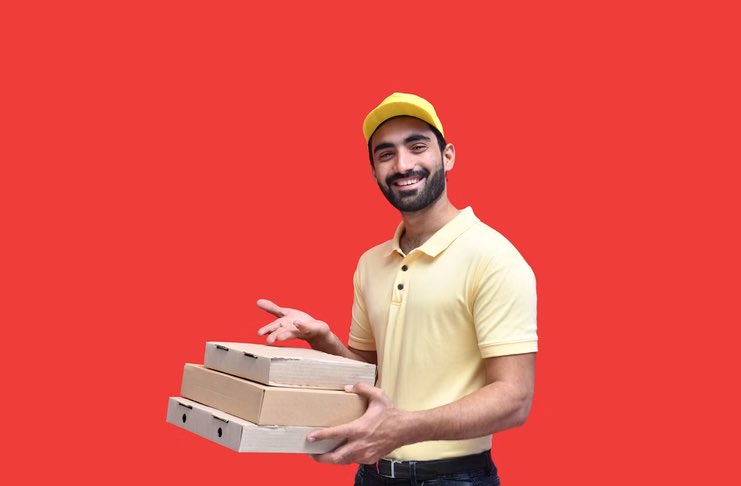
Clean eating used to sound like a luxury. It brought to mind long grocery lists, Sunday meal prep, expensive specialty stores, and the kind of free time many people simply do not have. For busy workers, parents, students, and anyone juggling a packed week, the gap between wanting to eat better and actually doing it can feel wide.
The appeal is simple. People want food that feels fresh, balanced, and easy to fit into normal life. They also want choice. A person may be looking for more vegetables, less takeout, better lunches, or a way to stop wasting groceries at the end of the week. Clean eating does not need to mean a perfect diet. It can mean making the better choice easier to repeat.
Our NYSF Experience
We know exactly how that gap feels. After years of running from vendor to vendor across Manhattan, Brooklyn, and Queens, we have eaten our share of $3 street cart bacon-egg-and-cheeses at 8 AM because there was simply nothing else ready. The city feeds you fast, but it does not always feed you well by default.
Why Clean Eating Has Felt Out of Reach
For many households, eating well is not a knowledge problem. Most people know that fruits, vegetables, lean proteins, whole grains, and less-processed foods can support better health. The harder part is access.
The CDC has reported that only about one in 10 U.S. adults meet fruit or vegetable intake recommendations. Cost, time, availability, and convenience all play a role. When someone gets home late, has no plan, and still needs to feed themselves or a family, the fastest option often wins.
That is where food delivery has started to shift from a treat to a planning tool. For busy households, healthy food delivery can make balanced meals feel less like a weekend project and more like part of the weekly routine.
This change matters in cities like New York, where schedules move fast, and kitchens can be small. Not everyone has room for bulk groceries, specialty appliances, or a full pantry. Healthy food delivery services can help people work around those limits by sending meals, groceries, or meal kits in useful portions.
Clean eating also has an image problem. It can sound strict, expensive, or joyless. Modern healthy food delivery services are helping soften that idea. The best options focus less on rules and more on practical swaps, like grain bowls instead of greasy takeout, ready-to-cook vegetables instead of forgotten produce, or protein-rich breakfasts instead of skipping the meal entirely.
Our NYSF Experience
We have spoken to dozens of vendors at the Union Square Greenmarket and the Smorgasburg stalls in Williamsburg who tell us the same thing: New Yorkers want to eat clean, but they are buying the $14 loaded rice bowl at 1 PM because their morning was a disaster and the salad place had a 25-minute wait. The access gap is a time gap as much as anything else.
How Healthy Delivery Services Are Making Better Food Easier
The biggest benefit is not just convenience. It is decision support.
Meal planning takes mental energy. You have to pick recipes, shop for ingredients, check the fridge, consider nutrition, and hope the schedule holds. Delivery services reduce some of those steps, which makes healthier choices easier during busy weeks.
Many services now offer filters for needs like vegetarian meals, high-protein options, gluten-free meals, lower-calorie choices, or family-friendly recipes. This helps people find food that fits their lifestyle without having to read every label in the store aisle.
Portioning is another advantage. Meal kits and planned grocery delivery can reduce waste by sending what fits the recipe or the week’s plan. For one-person households and small apartments, that can be a real benefit.
Delivery services also make variety easier. Recipe cards, prepared meals, and suggested grocery pairings can turn unfamiliar ingredients like bok choy, lentils, farro, tofu, or roasted squash into low-risk choices.
There is also a habit-building effect. When better food is already in the fridge, it is easier to reach for it. A ready lunch can prevent an expensive delivery order, and a simple dinner kit can keep someone from skipping cooking entirely.
That does not mean every service is right for every person. Some people need prepared meals. Others prefer meal kits or full grocery support. That wider range of options is what makes the category more accessible than it used to be.
Our NYSF Experience
When we are deep in content production weeks with no time to hit the Flushing food courts or the Essex Market, having pre-portioned meals waiting in the fridge has genuinely kept us from defaulting to a bodega run at 10 PM. The decision fatigue is real, and anything that removes one more choice at the end of a long day earns its keep.
How to Make Clean Eating Work in Real Life
The smartest way to use food delivery is to treat it as support, not as a total lifestyle makeover.
Start with the meal that causes the most stress. For many people, that is dinner. For others, it is lunch during work hours or breakfast on busy mornings. Solving one weak spot can make the whole week feel easier.
Next, think about your actual habits. If you hate cooking after 7 p.m., a complex meal kit will not help much. Ready-to-heat meals or pre-prepped ingredients may work better. If you enjoy cooking but dislike shopping, grocery delivery with planned recipes may be the better fit.
Budget also matters. Delivery can cost more than a basic grocery trip, but it may still save money compared with frequent restaurant orders, unused groceries, and impulse buys. The goal is not to replace every meal. It is to reduce the moments when poor planning leads to costly, less balanced choices.
Look for meals that include the basics: a protein source, fiber-rich carbohydrates, vegetables or fruit, and satisfying flavor. The Dietary Guidelines for Americans encourage nutrient-dense eating patterns across food groups, which lines up well with balanced meals rather than extreme plans.
Clean eating should also leave room for pleasure. Food is culture, comfort, and connection. A better routine does not mean giving up street food, favorite snacks, or special meals out. It means making everyday meals steadier, so there is more room to enjoy those moments without feeling off track.
Our NYSF Experience
Our NYSF team operates on exactly this principle. We eat intentionally from carts and stalls three or four nights a week because that exploration is the job, but the other nights we lean on delivered, prepped food so those street food outings feel like a treat rather than a scramble. Separating the functional meals from the experiential ones has made both better.
Better Food Access Starts With Easier Choices
Healthy eating becomes more realistic when it fits normal life. Healthy food delivery services are helping by cutting down the time, guesswork, and stress that often stand between people and better meals.
For businesses, families, and busy individuals, the shift is less about perfection and more about access. When fresh, balanced food is easier to choose, clean eating stops feeling like a privilege and starts feeling like a practical option.
Our NYSF Experience
In our years covering NYC street food, we have come to see healthy delivery not as competition for the cart culture we love, but as the foundation that makes it sustainable. When your everyday meals are handled, you have the appetite and the energy to go find something extraordinary on a Wednesday night in Sunset Park.
Frequently Asked Questions
What is healthy food delivery and how is it different from regular food delivery?
Healthy food delivery services focus on nutrient-dense meals, balanced macros, and minimally processed ingredients, as opposed to standard restaurant delivery which prioritizes speed and comfort food. Most healthy delivery options offer dietary filters (vegetarian, high-protein, gluten-free) and controlled portion sizes, making them a more intentional tool for people managing their nutrition. The difference is less about the delivery mechanism and more about the sourcing and meal composition standards.
Is healthy food delivery actually worth the cost compared to cooking at home?
It depends on your baseline. For people who frequently order restaurant delivery, throw out unused groceries, or skip meals because planning failed, a healthy delivery service can actually reduce total food spending while improving nutrition. The real value calculation should include time, wasted produce, and the cost of poor decisions made when there is nothing ready. For disciplined home cooks with time to shop and prep, the cost premium is harder to justify.
Can healthy food delivery work for people in small NYC apartments?
Yes, and in many ways it is better suited to small-space urban living than traditional grocery shopping. Pre-portioned meal kits eliminate the need for bulk pantry storage, and ready-to-heat meals require minimal counter space and equipment. For studio and one-bedroom apartments in Manhattan or Brooklyn where a full-size pantry is simply not possible, delivery meals arrive in quantities you can actually store and use before anything spoils.
Does clean eating mean I have to give up street food or NYC restaurant culture?
Absolutely not. Clean eating is about your overall pattern, not individual meals. Building a solid foundation with balanced weekday meals actually gives you more freedom to enjoy a late-night Flushing dumpling run or a full spread at Smorgasburg without it feeling like a setback. The goal is consistency across the week, not perfection at every single meal.
What should I look for in a healthy food delivery service?
Look for services that disclose full ingredient lists and nutritional information, offer dietary customization, and use fresh rather than frozen components as the default. Portion sizing transparency matters too: a meal labeled “healthy” that runs 1,400 calories is not automatically a good fit for everyone. Flexible subscription terms with no heavy cancellation penalties are also worth prioritizing, since your schedule and needs will change week to week.
How do I start using healthy food delivery without overhauling my entire routine?
Start with just one meal per day, whichever one causes the most friction. If you consistently skip lunch or default to fast food by Wednesday night, that is your target. Solving one weak point in your weekly routine is far more sustainable than attempting a full dietary overhaul all at once, and it gives you a realistic way to evaluate whether the service actually fits your life before committing to a larger plan.
- About the Author
- Latest Posts

Jeremy Hood is a Florida-born entrepreneur and digital media veteran who has spent the last decade building, growing, and scaling niche content sites across the web. With a background in accounting and hands-on experience running a retail franchise as COO, Jeremy brings a sharp, analytical eye to everything he covers — including his other great passion: food. A graduate of the University of Florida and a proud Gainesville local, Jeremy grew up on Florida’s lakes and the kind of casual, community-driven food culture that makes the South a quietly underrated culinary destination. Now writing for New York Street Food, he brings that same curiosity and systems-minded thinking to exploring NYC’s endlessly diverse street food scene — one cart, truck, and mom-and-pop storefront at a time.