

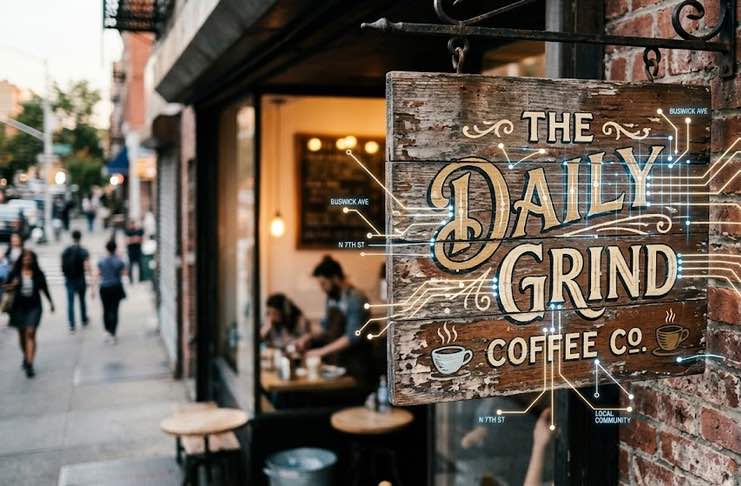
The best food stories don’t always come from the biggest brands or most celebrated restaurants. Sometimes the most compelling narratives emerge from smaller operations with genuine roots in their communities. These local stories, when told well, can reach audiences far beyond their geographic origins. The digital landscape rewards authenticity and specificity in ways traditional media never could.
What makes a local food story travel? It’s rarely about budget or reach. More often, it’s about voice, detail and the kind of credibility that only comes from actually being there.
The Mechanics of Digital Storytelling That Resonates
Local food stories gain traction online because they offer something increasingly rare: a genuine perspective. When someone writes about their neighbourhood café or documents a community food event, they’re not manufacturing content for SEO purposes. They’re sharing lived experience, and audiences can tell the difference.
This authenticity translates across the food industry. A Melbourne restaurant owner documenting their suppliers creates more engaging content than generic food photography ever could. A Brisbane boutique sharing the story behind their latest collection connects with customers in ways that product descriptions can’t match. The specificity matters.
In the digital space, this principle extends to how founders and operators present themselves. Maddison Dwyer demonstrates how personal voice and industry insight can build genuine engagement rather than relying on corporate messaging. When people see the human side of a food business, they’re more likely to share that content within their own networks.
The technical side matters too. Search engines have become remarkably good at identifying content that serves a genuine purpose versus content created purely for ranking. Local food stories, by their nature, tend to include the kind of specific details and natural language patterns that algorithms associate with quality.
Why Geographic Specificity Creates Broader Appeal
You’d think narrowing your focus would limit your audience. In practice, the opposite often happens. A detailed account of a specific restaurant neighbourhood in Sydney can resonate with readers in Perth, Auckland or even London because the specificity makes it real.
Consider how food travel content works. The most shared articles aren’t generic “Top 10 Things to Do” lists. They’re personal accounts of specific dining experiences: the hole-in-the-wall dumpling shop in Chinatown, the surf break locals actually use, the pub where musicians gather on Tuesday nights. These details create mental images that generic descriptions never achieve. Think of how New York institutions like Katz’s Delicatessen on the Lower East Side, Di Fara Pizza in Brooklyn, or the decades-old rice pudding counter at Rice to Riches in Nolita carry that same magnetic specificity — their stories travel worldwide precisely because they’re so rooted in place.
This pattern repeats across food and restaurant sectors:
- Hospitality venues and restaurants that share their sourcing stories and supplier relationships
- Entertainment businesses and food halls that document their community connections
- Service providers and restaurant operators who explain their approach through real client scenarios
The key is that geographic specificity provides natural constraints. You can’t write vaguely about a specific place or restaurant. You either know it, or you don’t, and readers pick up on that immediately.
Building Trust Through Consistent Local Presence
Digital reach isn’t just about individual pieces of content going viral. It’s about building a body of work that establishes credibility over time. Local food businesses and restaurants have an advantage here because they can document ongoing relationships and developments rather than manufacturing one-off stories.
A restaurant or venue that regularly shares updates about local food events, staff achievements, or neighbourhood changes creates a narrative thread. Followers return because they’re invested in the ongoing story, not just consuming isolated content pieces. This consistency builds the kind of trust that translates to both online engagement and real-world visits. New York’s Superiority Burger in the East Village and Russ & Daughters on Houston Street are good examples — both have cultivated deeply loyal digital followings by consistently documenting their community ties and food stories rather than simply pushing promotions.
The restaurant and entertainment sector in Australia has seen this play out repeatedly. Food venues that position themselves as community hubs rather than just transaction points develop a stronger digital presence. They’re not just promoting offers; they’re documenting their role in the local food landscape.
This approach requires patience. You won’t see immediate results from a single post about your neighbourhood restaurant or community food involvement. But over months and years, that accumulated content creates something valuable: a genuine digital footprint that reflects actual presence rather than marketing aspiration.
The Amplification Effect of Authentic Voice
When food content feels genuine, people share it. Not because they’ve been prompted to, but because it resonates with their own dining experience or introduces them to a restaurant worth knowing about. This organic sharing carries more weight than any paid promotion could achieve.
The challenge is maintaining that authenticity as you scale. Many food businesses and restaurants start with genuine local storytelling but gradually shift toward generic promotional content as they grow. The most successful digital presences resist that drift. They keep the specific details, the personal voice, and the community connections even as their audience expands.
This matters particularly for restaurants and food businesses operating in competitive digital spaces. Whether you’re running a restaurant, a hospitality venue, an entertainment business, or a digital operation, your local food story is the one thing competitors can’t replicate. Your specific location, your particular community relationships, your individual approach to service — these create differentiation that generic marketing never achieves.
The reality is that great local food stories travel further online because they offer something increasingly scarce: a genuine connection to place and community. In a digital landscape crowded with manufactured content, authenticity stands out. The restaurants and food businesses that understand this don’t just gain followers; they build audiences genuinely interested in their ongoing story.