

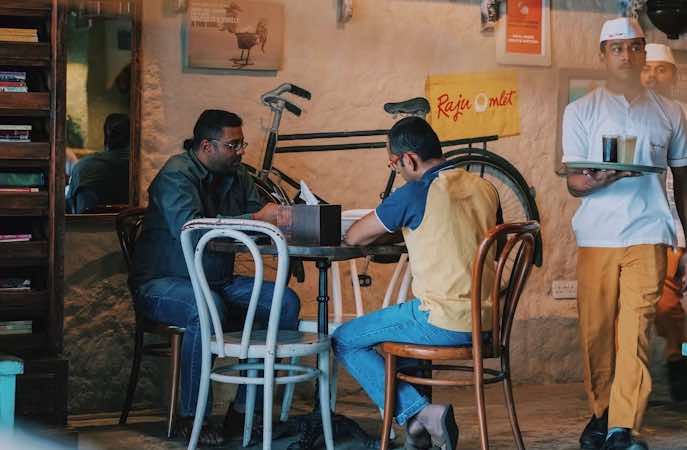
When thinking about the UAE, skyscrapers and giant luxury malls immediately come to mind. But any well-known food blogger will tell you that the country’s magic hides in the kitchen. The Emirates have become a huge culinary melting pot. Bedouin traditions blend with other cultures. The number of nationalities in the country has exceeded 200. You can eat the most tender meat slow-cooked for half a day, and right across the road, a juicy burger is sold. Want to know the Emirates truly? Then you need to taste them. You need to treat yourself to a gastronomic road trip.
A good food tour requires absolute freedom of movement. Don’t bother looking for bus stops or constantly overpaying for taxis. Better to choose a reliable car rental platform like Renty.ae, and drive wherever you want. Having your own wheels lets you easily move between the colourful markets of old Dubai and the expensive restaurants of Abu Dhabi. Many tourists who plan their route decide to rent a car to be independent of guide schedules and be able to stop at every appetising stall. So buckle up and get ready to eat. We’re starting our journey through the two main emirates.
Dubai: Where to Find the Best Street Food
Our tour starts in Dubai. This city knows how to surprise. It’s full of Michelin-starred restaurants. Prices there can often be sky-high. But real culinary life buzzes somewhere else. It’s concentrated in old neighbourhoods. These are districts like Deira, Karama, or Satwa. That’s where the best street food hides. The local atmosphere, with its food trucks, resembles New York strongly. This once again proves a simple fact: the tastiest food is usually sold roadside, prepared in simple stalls. In Dubai, everyone, from tourists to locals, absolutely loves street food. Most importantly, juicy Arabic shawarma is best here.
Watch this video to get a glimpse:
To start the morning like a local, you need the right Emirati breakfast. Be sure to order Chebab. These are fluffy pancakes with the aroma of cardamom and saffron. They’re served hot with soft cheese and sweet date syrup.
Another hit is Regag. This is crispy bread, thin as paper. Chefs bake it on large hot discs. On top, they usually add egg, cheese, or spicy fish sauce. Wash it all down with Karak Tea. This is strong black tea with spices and condensed milk. It’s an excellent energy booster and sold at every turn.
All these authentic cafes are located far from the glittering Downtown. For example, for the best breakfasts, you’ll need to drive to the historic Al Fahidi district. The beach, by the way, also has plenty of modern food trucks. They prepare great modern versions of classic Arabic dishes.
Two Main Emirati Dishes You Can’t Skip
Explore local Emirati cuisine a little deeper. Then one fact immediately becomes clear: it’s closely connected with the sea. The desert has also strongly influenced it. Dishes in this country are always hearty. They turn out very dense and aromatic. Cooks here constantly use a special blend: this traditional seasoning is called bezar. The composition must include cumin and coriander. A little cinnamon and turmeric are also added. To truly understand Eastern hospitality, you definitely need to try local specialties. It’s enough to try two main national dishes.
Here are the UAE’s legendary dishes and places where they’re prepared best:
- Machboos. This dish resembles Indian biryani. In Dubai, magnificent Machboos is served at the historic Arabian Tea House restaurant. You can dine with water views at Al Fanar restaurant in the Al Seef district.
- Harees. A very ancient and hearty dish with an unusual texture. It’s always prepared for weddings and major celebrations. Boiled wheat is slow-cooked for hours together with meat and salt. Then this mass is beaten for a long time until it reaches the consistency of thick porridge, and it is drizzled with clarified butter. You can try the original taste at Al Mrzab restaurant. Also look for it on signs of traditional kitchens in the old part of the city.
These dishes help you understand the history of the Emirates before they became a country of expensive supercars. Portions here are always enormous. This is a tribute to Bedouin traditions. A guest is expected to be fed to satisfaction.
Road to Abu Dhabi: Capital Level
The second part of our route leads to Abu Dhabi. The UAE capital lives at a calmer pace. Here, futuristic architecture pairs wonderfully with serious gastronomy. Local authorities very strictly monitor food quality. A special department oversees this. It’s called the Abu Dhabi Food Control Authority. Therefore, eating in capital restaurants and cafes is completely safe. Local cleanliness standards are always at their finest.
The city’s interesting restaurants are scattered far apart. Some are on the cultural Saadiyat Island. The Corniche waterfront has many establishments for dinner with water views.
For a proper taste of home-style Emirati cooking, head to Meylas Emirati Restaurant, on the promenade at Al Muneera near Al Raha Beach. It’s run by a local owner who named the place after the Emirati word for “gathering place,” and it’s one of the few spots serving family-style regional dishes rather than a hotel version of them. Closer to the center, Al Khayma Heritage Restaurant is worth the stop right after visiting the Sheikh Zayed Grand Mosque — it leans hard into traditional Emirati recipes and tent-style decor, so it doubles as a small cultural experience.
Watch this video to get a glimpse of Khayma:
On the Corniche itself, Al Dhafra Restaurant has been serving the neighbourhood for around three decades and is known locally for its seafood alongside classic Middle Eastern plates — a good option if you want a water view without the Saadiyat prices. For something a notch more polished but still rooted in local tradition, Erth Restaurant, also on the Corniche, is built specifically around reviving old Emirati recipes for a contemporary table.
Watch this video to get a glimpse:
Perfect Road Trip Finale: Delicious Eastern Desserts
The final chord of your trip should be local desserts and coffee. This is the most important part of Arab culture. After dinner, be sure to order Luqaimat. These are round doughnuts. They’re crispy on the outside and very soft inside. They’re served hot. The dish is drizzled with date syrup and sprinkled with sesame seeds.
Here’s a short guide to traditional desserts and coffee:
- Gahwa (Arabic Coffee). Real Arabic coffee from a dallah coffee pot. It’s light and unsweetened. Served with cardamom and saffron. For fullness of flavour, served together with dates.
- Batheet. A simple but very tasty sweet. The dessert is made from dates. Crushed dried fruits are mixed with roasted flour and clarified butter. Previously, nomads took this hearty treat with them into the desert.
- Khabees. Another popular dessert made from roasted flour, sugar, and rose water. It has an interesting texture that pairs perfectly with hot tea.
Such sweet traditions are the best way to end the journey. The UAE is currently at the peak of popularity among tourists worldwide. And if you read international reports, it becomes clear: the tourism sector in the UAE grows every year, so people come here not only for shopping, but also for a cultural experience.
Final Words
When you look at the Emirates through local cuisine, the country reveals itself from a completely different side. Behind the glitter of gold and glass hides living history. Dubai’s simple street cafes and Abu Dhabi’s elegant restaurants tell one common story – about hospitality and traditions.