
Defining Exceptional Spirits
As part of our drinks blog section, in this post, we’ll explore what sets truly exceptional spirits apart. In the world of fine spirits, the distinction between ordinary and exceptional is far more than clever marketing—it’s the culmination of artistry, science, and a commitment to quality. The most memorable bottles captivate with layered complexity, purity, and an unmistakable sense of character. These attributes are cultivated through generations of experience, precise technical methods, and a passion that drives both innovation and respect for time-honored traditions. Choices made at every stage, from field to glass, create spirits that stand apart. Especially in categories such as whiskey, gin, and vodka, true uniqueness is achieved only through an uncompromising approach.
Take, for example, premium Polish organic vodka—a shining standard for purity and refined craftsmanship. The meticulous care poured into ingredient selection and traditional distillation is unmistakable in the glass. Brands that center authenticity, like those featured at Imbibe Magazine’s Polish Vodka guide, are emblematic of a broader movement towards traceable, high-quality spirits that reflect their origins and heritage. Understanding what lies behind the label is increasingly valued by both enthusiasts and newcomers to the world of spirits.
Purity Matters: Ingredient Selection and Processing
The journey to creating an exceptional, high-quality spirit begins long before the actual process of distillation—the very moment when the raw ingredients are transformed into a refined beverage. According to the experts at The Liquor Bros – retailer offering a wide selection of premium and hard-to-find spirits, it starts at the very roots of its ingredients, where master distillers meticulously select and source grains, fruits, and botanicals from specific regions known for their unique terroirs or from sustainable farms committed to environmentally friendly practices.
These carefully chosen ingredients contribute distinctive flavors that are characteristic of their geographic origins. Water, an essential component in everything from vodka to whiskey, undergoes rigorous testing and filtration to ensure purity, balance, and clarity. For spirits like vodka, where the goal is to achieve the highest possible purity, advanced and sophisticated filtration methods—such as charcoal filtering or reverse osmosis—are employed to remove impurities without compromising the spirit’s inherent qualities.
The painstaking process of ingredient selection and the exacting standards for water quality lay a strong foundation, ultimately determining a spirit’s distinctive character and excellent drinkability. Additionally, even the yeast strains involved in fermentation, which are often protected, cultivated, and passed down through generations, can introduce unique flavor profiles that further elevate the final product, enhancing its overall quality, complexity, and reputation.
Table: Popular Spirits Then vs. Now
| Spirit | Classic Popular Use | Modern Trend |
|---|---|---|
| Tequila | Shots with salt & lime | Premium sipping tequila & craft margaritas |
| Vodka | Simple vodka soda or martini | Flavored infusions & espresso martinis |
| Mezcal | Niche, rarely used outside Mexico | Smoky cocktails & artisanal sipping mezcal |
The Art of Distillation
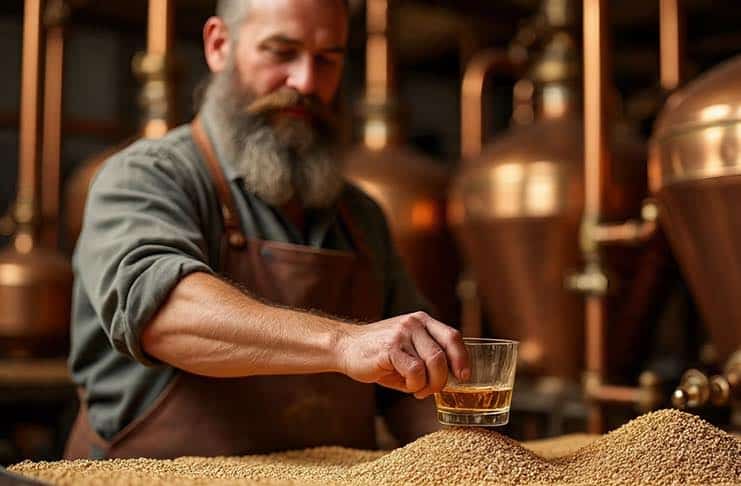
Distillation is a foundational process in spirit production where the essence and core flavors of the spirit begin to emerge. This intricate and carefully controlled process is not only about extracting alcohol but also about emphasizing the finest characteristics of the raw materials while minimizing any unwanted elements that could detract from the final product. Traditional copper pot stills, revered for their unique ability to produce rich, complex, and nuanced flavors, continue to be used in many distilleries. These stills are often contrasted with cutting-edge continuous stills, which are designed for consistency, efficiency, and a clean, neutral profile.
The choice of equipment—whether traditional or modern—along with precise adjustments to temperature, timing, and other variables, allows distillers to influence the concentration, smoothness, and overall profile of the spirit in profound and nuanced ways. Leading distilleries around the world invest years, sometimes even decades, into refining their methods and techniques to achieve both their signature taste profiles and reliable, high-quality products. In modern times, distillers may also employ advanced, technology-driven techniques to better isolate and amplify desirable flavor notes, striving to find that elusive perfect balance of heritage, craftsmanship, and innovation. For those interested in the latest developments, a Forbes overview on whisky’s technological evolution provides insights into the newest trends and advancements shaping the industry today.
Aging and Maturation: Why Time Matters
For spirits like whiskey and rum, aging is truly a transformative process that significantly enhances their character and depth. As the raw distillate rests in oak or specialty barrels, it gradually absorbs essential compounds such as tannins, vanillin, and caramelized sugars from the wood, which contribute to its complex flavor profile. Environmental factors—humidity, temperature, even air quality—play critical and often unpredictable roles over the course of years or even decades, fostering a wide array of variations in both flavor and aroma.
Some distillers experiment with barrel switching techniques, different toasting levels, or the use of alternative types of wood to introduce additional layers of complexity and uniqueness. The cumulative impact of all these elements is quite remarkable: time gently mutes harsh or undesirable notes while simultaneously enriching the spirit with warmth, spice, fruit, or floral nuances that are often unique to the producer’s specific environment and choices. The mysterious and romantic nature of maturation often becomes a defining factor in a brand’s legacy, and it provides a profound sense of place and authenticity to every single sip that is enjoyed by connoisseurs and enthusiasts alike.
Smoothness: Achieving Balance in Spirits
At the very core of what makes a spirit truly drinkable and enjoyable lies the essential quality of smoothness—a characteristic universally prized whether you’re savoring a neat single malt whisky or enjoying a well-crafted classic vodka martini. Achieving this luxurious, lush texture is no accident; it involves a carefully coordinated effort that includes meticulous fermentation processes, precise cuts during distillation to select the best fractions, and sometimes additional post-distillation techniques such as charcoal mellowing to refine the spirit further.
For bourbon and Scotch whisky producers, striking the perfect balance in flavor, texture, and smoothness is an ongoing exercise requiring patience, skill, and a nuanced approach to blending. Smooth spirits tend to be harmonious in nature, featuring subtle hints of flavor, a gentle, warm sensation or heat, and a finish that beckons you to take the next sip, savoring every moment. Importantly, achieving smoothness does not mean sacrificing complexity or depth of flavor; rather, it’s a sign that the rougher, more undesirable edges have been expertly tamed or refined. This results in a well-balanced dram that can be appreciated and enjoyed by connoisseurs with discerning palates as well as by newcomers just beginning their journey into the world of fine spirits.
What is the smoothest whiskey? Watch this video:
Distinctiveness in Flavor Profile
Every exceptional spirit carries its own signature—a flavor profile that tells a story of its place, people, and processes. Whether it’s the smoky depth of an Islay whisky, the herbal wanderings of an expertly crafted gin, or a rum brimming with spice from tropical maturation, that sense of identity sets premium bottles apart.
Distinctiveness arises from both traditional practices and inventive experimentation. The Japanese whisky scene, for example, has shaken up global perceptions through unparalleled balance and subtlety, earning acclaim from critics worldwide as highlighted by The New York Times’ feature on Japanese whisky. Artisanal producers increasingly draw on native grains, unique botanicals, and unconventional aging, constantly redefining what drinkers can expect in their glass.
Consumer Preferences and Industry Trends
Drinkers today want more than just flavor—they want a connection to where and how their spirit was made. The shift toward transparency, limited-edition releases, and sustainable practices shows a maturing palate among consumers eager to support ethically minded producers. Product labels are scrutinized for details on sourcing, production methods, and aging. Premiumization remains a key trend, supporting both legacy brands and a proliferation of boutique distilleries. Immersive experiences like distillery tours, virtual tastings, and master classes are on the rise, giving aficionados the knowledge to distinguish good from great. Even major producers are leaning into this curiosity, amplifying stories behind their spirits to foster lasting loyalty.
How to Experience Truly Exceptional Spirits
Tasting a remarkable spirit is a multi-sensory journey that rewards attention and patience. Begin by examining the clarity and hues in the glass, which can indicate both its age and method of maturation. Swirl it gently to unlock the aroma—subtlety and richness on the nose are early signs of craftsmanship. Sip slowly, allowing the spirit to spread across your palate and reveal its full story of flavors and textures.
Experts often recommend progressing from lighter to bolder styles in a single session so the nuances of each bottle don’t overpower the next. Thoughtful pairings, whether with artisanal food or a choice cigar, can create complementary flavors and elevate the entire experience. Engaging with knowledgeable staff or seeking out trusted sources like spirits specialty shops grants a valuable perspective to guide exploration and personal discovery.
Key Factors Influencing the Future of the Spirits Industry
| Factor | Old Way | New Way / Insight |
|---|---|---|
| Production | Traditional distilling with limited innovation | Experimentation with small-batch, craft, and sustainable methods |
| Ingredients | Standard grains and botanicals | Organic, local sourcing, exotic botanicals |
| Consumer Trends | Preference for mass-market brands | Shift to premium, artisanal, and experiential drinking |
| Marketing | Celebrity endorsements, TV ads | Storytelling, social media, influencer-led campaigns |
| Sustainability | Minimal focus on environmental impact | Eco-friendly packaging, carbon-neutral production |
| Cultural Role | Functional, occasion-based drinking | Part of lifestyle, identity, and community experience |
Conclusion
The pursuit of pure, smooth, and distinct spirits is a celebration of thoughtful craftsmanship and creative ingenuity. As interest in premium and traceable bottles grows, drinkers are empowered by knowledge, discernment, and a newfound appreciation for what sets every spirit apart. By learning to recognize these defining qualities, each tasting becomes a richer, more meaningful encounter. Whether savoring an aged whiskey or uncovering the nuance of a premium Polish organic vodka, the world of exceptional spirits has countless stories yet to share—inviting all who seek them to raise a glass and explore.
FAQ: Defining Exceptional Spirits
Q: What makes a spirit “exceptional” compared to an ordinary one?
A: Exceptional spirits stand out through purity of ingredients, skilled distillation, thoughtful aging, and distinctive flavor profiles. They are crafted with precision and artistry, often reflecting heritage, terroir, and a dedication to uncompromising quality.
Q: Why is ingredient selection so important in spirits?
A: Ingredients form the foundation of a spirit’s character. High-quality grains, botanicals, and water directly influence flavor, smoothness, and overall complexity. Exceptional brands often source from specific regions or sustainable farms to ensure consistency and authenticity.
Q: How does aging affect the quality of spirits like whiskey or rum?
A: Aging in oak or specialty barrels enriches spirits by adding complexity, smoothing harsh notes, and layering in flavors like vanilla, spice, or caramel. Environmental factors such as temperature and humidity also play a critical role in shaping the final profile.
Q: Is smoothness always a sign of a high-quality spirit?
A: Yes, but with nuance. Smoothness indicates balance and refinement, but exceptional spirits also retain depth and character. The best bottles combine smooth drinkability with distinctive flavors and aromas.
Q: What role does distillation play in defining exceptional spirits?
A: Distillation shapes the spirit’s purity, concentration, and flavor profile. Whether using traditional copper pot stills or modern continuous stills, the process requires expertise to highlight the best qualities of the raw ingredients while removing impurities.
Q: What are current trends in premium spirits?
A: Transparency, sustainability, and premiumization dominate today’s market. Consumers want traceable sourcing, limited-edition releases, and experiences like distillery tours or virtual tastings. Boutique distilleries are also gaining attention alongside established heritage brands.
Q: How can I identify a truly exceptional spirit when tasting?
A: Look for clarity and color in the glass, then explore the aroma for depth and balance. A slow sip should reveal layers of flavor, smoothness, and a finish that lingers. Exceptional spirits tell a story from first impression to final note.