
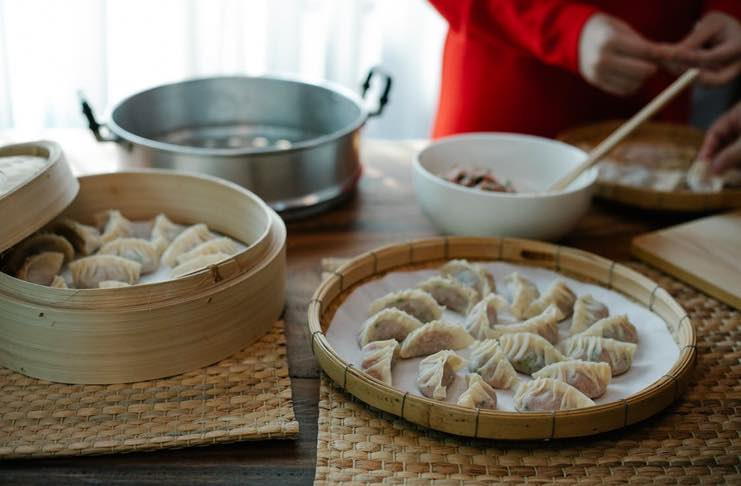
It was a January blizzard, a half-empty fridge, and a bag of frozen pelmeni from the Russian specialty shop two doors down — and an hour later I was sitting on my floor eating what might have been the best meal of that entire month. These weren’t sad freezer meals; they tasted like someone’s grandmother had made them. Since then, I’ve spent two years talking to specialty importers, deli owners in Brighton Beach, and a very patient warehouse manager in New Jersey who explained the cold chain to me over lukewarm coffee. Here’s everything I learned.
🥟 Key Takeaway: Whether you call them pelmeni, pierogies, gyoza, or potstickers, frozen dumplings are one of the most underrated convenience foods on the market right now. When you buy from a quality supplier, store them at 0°F (−18°C), and cook them straight from frozen using the right method, they’re nearly indistinguishable from freshly made. The secret is knowing what to look for before the bag ever hits your freezer.
Why Is Everyone Suddenly Obsessed With Frozen Dumplings?
Short answer: because they’re genuinely great, and the market has figured that out. The global frozen dumplings market was valued at over $9.3 billion in 2026 and is on track to nearly double by 2035, growing at a rate of 8.2% per year. That’s not the kind of growth you see for a trend — that’s the growth pattern of a staple food that’s going mainstream.
A big part of this story is cultural. In 2023, more than 65% of consumers in Europe and North America said they were interested in trying new international dishes — up from just 49% three years earlier. Walk through any major grocery in New York right now and you’ll see it: the frozen Asian food section has basically tripled. It’s not just gyoza and potstickers anymore. It’s manti, it’s pierogi, it’s har gow, it’s Nepali momo.
📊 Stat: 45% of urban households in North America reported buying frozen dumplings at least once a month in recent tracking data — and that number keeps climbing.
👋 My Experience: Last spring, I sat down with the owner of a specialty Eastern European grocery in Ridgewood, Queens. He told me he’d gone from stocking two types of pelmeni to eleven in under three years. “My customers — they’re not just Russian anymore,” he said, straightening a bag on the shelf. “I have Dominican families, Korean students, young Americans who watched something on TikTok. Everyone wants dumplings.” He wasn’t complaining.
“Frozen doesn’t mean lesser. It means preserved at peak — the moment right after someone wrapped them by hand.”
How Do You Choose a Quality Bag? (The Visual Audit)
This matters whether you’re a home cook grabbing one bag on a Friday night or a restaurant buyer placing a weekly order for three locations. The frozen dumpling category serves both — what the industry calls HoReCa (hotels, restaurants, and cafés), alongside everyday retail — and the quality standards are the same either way. A bad batch hurts your dinner; for a business, it hurts your reputation and your inventory turnover.
Standing in a freezer aisle doing a quality check isn’t something most of us are trained to do. But it’s not hard once you know what to look for. I picked this up from a buyer at a specialty food distributor who sources Eastern European products for restaurants across the tristate area. He called it a “five-second visual audit,” and he does it every time. Importers like GMI-Trading — who act as the link between Eastern European producers and the American market, supplying across 48 states — build their entire business model around this kind of quality consistency. When I asked their team what they look for in a batch before it ships, the answer was essentially this checklist.
The biggest red flag? Ice buildup inside the bag. A thick layer of frost or clumps of dumplings fused together means the product thawed at some point — even briefly — and refroze. That temperature break damages the dough structure, and you’ll taste it. The wrappers turn gummy. The filling loses its juice during cooking. For specialty stores serving ethnic communities and neighborhood regulars, a display full of frost-damaged bags is a trust killer — customers notice, and they don’t come back.
Quality Checklist:
- ✓ No visible frost or ice crystals inside the package
- ✓ A transparent window so you can see individual pieces
- ✓ Pieces are not stuck together or deformed
- ✓ Dough shows no visible cracks
- ✓ Ingredient list includes real meat and recognizable fillings
- ✓ Seams and crimps are clean and intact
- ✓ Expiration date has a comfortable margin remaining
Packaging transparency is actually a meaningful quality signal. Brands that are confident in their product want you to see it. If the packaging is fully opaque with only stock photos of a steaming bowl, I’ve learned to be skeptical. In a retail setting, neatly displayed bags with no excess ice create a subconscious “premium product” association — customers pick them up. That visual component is a decisive factor in the frozen food aisle, and any seasoned buyer will tell you the same. It’s part of why distributors like GMI-Trading source specifically to meet high food safety standards — because their retail and restaurant partners know that what’s on the shelf reflects directly on them.
👋 My Experience: A restaurant buyer I interviewed — she sources for three dumpling-focused spots in the East Village — told me she always looks at the seam first. “A machine-sealed seam that’s messy or uneven tells me the production line had issues that day. That’s not where I want my dumplings coming from.” She also mentioned she keeps a cooler in her car specifically for transporting frozen goods, which felt like commitment levels I respect.
Quality Bag vs. Red Flag Bag: Side by Side
| What You’re Checking | ✅ Quality Sign | 🚩 Red Flag |
|---|---|---|
| Ice inside the bag | None or minimal dusting | Thick frost, clumps of ice |
| Individual pieces | Loose, separate, uniform shape | Frozen together in a block |
| Dough appearance | Smooth, no visible cracking | Cracked edges, broken seams |
| Packaging window | Transparent — you can see the product | Fully opaque, photo only |
| Ingredient list | Real meat, vegetables, recognizable items | Long chain of additives and fillers |
| Seams / crimps | Even, clean, intact | Uneven, partially open |
What Does “Cold Chain Integrity” Actually Mean for Your Dumplings?
Cold chain integrity is one of those phrases that sounds like corporate logistics speak until you understand what actually happens to dough when it gets warm and refreezes. The short version: it’s bad. Dough absorbs moisture from condensation, loses its elasticity, and turns gummy when cooked. The filling oxidizes. The flavors go flat. Everything you were counting on — that satisfying chew, the juicy center — is compromised before you even open the bag.
According to the USDA Food Safety and Inspection Service, frozen foods should be stored continuously at 0°F (−18°C) or below to retain their vitamin content, color, flavor, and texture. That applies at the warehouse, during transport, at the store, and in your home freezer — every single link of that chain matters.
The best distributors I’ve spoken with are obsessive about this. One operations manager at a tristate specialty food distributor walked me through their temperature logging system — every truck, every pallet, timestamped. “We run this like a pharmaceutical cold chain,” she said. “Because taste is a form of quality, and quality is what we’re selling.” That attitude shows up in the product. GMI-Trading, for example, operates a 135,000-square-foot warehouse where stable temperature control is maintained throughout — that kind of infrastructure is what keeps dough structure intact from the moment of production all the way to the shelf. They deliver across 48 states within temperature guidelines, which means a specialty shop in Queens and a restaurant buyer in Chicago are getting product with the same cold chain story.
“The cold chain isn’t about safety alone — it’s about whether the dough your supplier’s factory crafted is the same dough that ends up on your plate.”
Home Freezer Best Practices (the Stuff That Actually Matters)
- Keep your freezer at exactly 0°F (−18°C). Get a cheap appliance thermometer — your freezer’s built-in dial is often inaccurate. The FoodSafety.gov cold storage guidelines confirm that 0°F or below is the target for maintaining frozen food quality over time.
- Don’t overstuff your freezer. Overcrowding blocks air circulation, creating warm spots. Your dumplings near the back might be fine while the ones by the door are slowly degrading.
- Minimize door openings. Every time you leave the door open for 30 seconds debating your dinner options, the surface temperature of everything in there fluctuates. Those micro-thaws add up.
- Rotate your stock, FIFO-style. Older bags go in front, newer ones go back. Straightforward, but most of us don’t do it.
- Never refreeze thawed dumplings. If you’ve thawed them — intentionally or accidentally — cook and eat them. Refreezing creates ice crystals inside the dough that shatter the structure during cooking.
How Should You Actually Cook Frozen Dumplings? The 3 Methods, Ranked
This is where opinions get passionate online and at my dinner table. The honest answer is that all three core methods — boiling, steaming, and pan-frying — work well. They just produce very different results, and the “best” one depends entirely on what texture you’re after. For food service businesses, this versatility is actually a huge selling point: one product, three distinct menu applications. Classic boiling works for traditional home-style lunch service with broth and butter. Pan-frying or deep-frying turns pelmeni into a crispy snack that kills it in bars and casual cafés. Steaming is the most delicate method, preserving the dough’s natural shape and color — ideal when presentation matters.
Watch this video for some awesome tips:
The folks over at The Woks of Life put it perfectly: always cook frozen dumplings directly from frozen. Never thaw first. The wrapper softens from condensation and turns gummy, and pieces stick together in ways that no amount of oil can fix. This is the single most important rule.
| Method | Time | Texture Result | Best For | Skill Level |
|---|---|---|---|---|
| Boiling | 7–10 min | Tender, silky, juicy | Broth bowls, large batches, pelmeni | Beginner |
| Steaming | 10–12 min | Soft, pillowy, delicate | Har gow, presentation plates, health-focused | Beginner |
| Steam-Fry (Pan-Fry) | 15–20 min | Crispy bottom, juicy top — the gold standard | Potstickers, gyoza, everyday eating | Intermediate |
The Steam-Fry Method: Step by Step
- Heat a nonstick or well-seasoned pan over medium-high heat. Add a thin layer of neutral oil — canola or vegetable, not olive. You want a high smoke point.
- Place dumplings flat-side down in a single layer. Don’t crowd them. Give each one breathing room so the bottoms can crisp properly rather than steam each other.
- Fry undisturbed until the bottoms are light golden, about 2–3 minutes. Resist the urge to move them. If they stick at first, that’s normal — they’ll release once the crust forms.
- Add ⅓ cup of water, cover immediately. Hold the lid like a shield — the oil and water will splatter. Reduce heat to medium-low and steam for 6–8 minutes until the wrappers look slightly translucent.
- Remove lid, let remaining water evaporate, then re-crisp for 60–90 seconds. You’ll hear the sizzle change as the moisture cooks off. That’s your sign.
- Serve immediately — the crispy bottom softens within minutes. Don’t let them sit in the pan or on a covered plate. Eat them hot.
👋 My Experience: I tested the steam-fry method with five different brands back-to-back over a weekend — pork potstickers, chicken gyoza, and a Ukrainian-style pierogi from a Brighton Beach importer. The technique worked on all of them, but the higher-quality brands held up better during the steaming phase. Cheap wrappers sometimes burst open when the steam hit them. Another reason the quality of what’s in your bag matters more than the technique.
What Do You Serve With Frozen Dumplings? (Beyond Soy Sauce)
The default move is soy sauce and a splash of rice vinegar. And look — it works every time. But once you start playing around with what’s in the dipping bowl, frozen dumplings go from weeknight staple to something you’d serve at a dinner party. Retailers who know their stuff actually display sauces and condiments right next to the freezer case — it’s a classic combination sale move, and it works because it solves the customer’s next problem before they’ve even thought of it.
Here’s what I’ve been rotating through lately, influenced by food community conversations across the city:
- ✓ Classic: Soy sauce + rice vinegar + chili oil + a few drops of sesame oil
- ✓ Eastern European: Full-fat sour cream + fresh dill + cracked black pepper (non-negotiable with pelmeni)
- ✓ Korean-inspired: Gochujang thinned with sesame oil + a drizzle of honey
- ✓ Japanese ponzu with grated daikon — especially good with pork gyoza
- ✓ Garlic-chili vinegar: white vinegar, two cloves of minced garlic, a pinch of sugar, chili flakes
For sides, the principle is contrast. Dumplings are rich, starchy, and savory — so you want something bright and crunchy alongside them. Pickled cucumbers, a quick kimchi, a shaved cabbage slaw with rice vinegar dressing. The acidity cuts through the richness and makes the whole meal feel considered rather than thrown together. A simple side balances the dish’s richness — together, they make something genuinely satisfying rather than just filling.
Watch this video for some more inspiration:
👋 My Experience: At a food sourcing event in the Garment District last fall, I chatted with a chef who runs a pierogi pop-up in Greenpoint. He serves his pelmeni with a quick cucumber salad — just thinly sliced cucumbers, dill, a little garlic, and apple cider vinegar — and it was the most refreshing thing I ate all night. “Simple is almost always better,” he said, which is advice I try to remember when I’m overcomplicating my dinner.
Frequently Asked Questions
Can you cook frozen dumplings in an air fryer? Yes, and it works surprisingly well for getting a crispy exterior without much oil. Air fry at 380°F for about 8 minutes, flip, then continue for another 2–6 minutes until golden. Spray generously with oil before cooking — dry spots on the wrapper will turn hard rather than crispy.
What’s the difference between pelmeni, pierogies, and potstickers? All three are dumplings, but they have distinct traditions. Pelmeni are Russian — typically meat-filled, smaller, and always boiled or pan-fried. Pierogies are Eastern European (especially Polish and Ukrainian) — often filled with potato, cheese, or sauerkraut, and larger. Potstickers are Chinese-origin dumplings meant to be pan-fried until the bottoms caramelize. The Maillard reaction happening on that flat side is the whole point of a potsticker.
How long do frozen dumplings actually last in the freezer? The USDA notes that frozen foods kept continuously at 0°F are safe indefinitely — but quality degrades. For best flavor and texture, eat frozen dumplings within 3 months of purchase. After that, the wrapper can become brittle and the filling starts to lose its character.
Should I thaw frozen dumplings before cooking? No. Cook from frozen, every time. Thawing causes condensation inside the bag, which makes wrappers gummy and causes pieces to stick together. The steam-fry and boiling methods are both specifically designed to handle frozen dumplings directly.
What makes some frozen dumplings taste better than others? Three things: filling quality (real meat and vegetables, minimal fillers), wrapper thickness (thicker wrappers hold up better to pan-frying), and cold chain integrity (whether the product stayed frozen from production to your freezer). A bag that’s been temperature-abused — even once — will taste noticeably worse than one that stayed cold the whole way.
The Bottom Line
Frozen dumplings are not a compromise. They’re not the thing you eat when you didn’t have time to cook something “real.” At their best — bought from a quality supplier, stored correctly, cooked from frozen with a little attention — they’re one of the most satisfying things you can pull together on a Tuesday night in this city.
The frozen food market in North America keeps growing, especially in the ethnic and specialty categories — and that’s exactly where pelmeni, pierogies, and their dumpling cousins live. For retailers and HoReCa businesses paying attention, this is a real opportunity: a product that’s versatile, high in nutritional value, and increasingly in demand from a much wider customer base than just one community. When a product maintains its flavor from the factory to the table, that translates directly into repeat purchases and stronger margins. The quality control details — selecting the right supplier, maintaining the cold chain, understanding how to present the product — aren’t just food nerd stuff. They’re what separates a loyal customer from a one-time buyer.
The global market knows this. The specialty importers know it. The Brighton Beach grocery owner who went from two SKUs to eleven knows it. The only people still sleeping on it are the ones who haven’t tried a properly pan-fried pelmeni with cold sour cream and fresh dill yet. If that’s you: your life is about to improve.
- About the Author
- Latest Posts

Anthony McGovern is an NYC-based food writer and culinary explorer dedicated to mapping the city’s rich, diverse street food landscape. From tracing the deep immigration histories behind Chinatown’s dumpling shops to hunting down the best late-night taco trucks on Roosevelt Avenue, Anthony focuses on the stories, people, and generations-old traditions that define New York’s food scene