

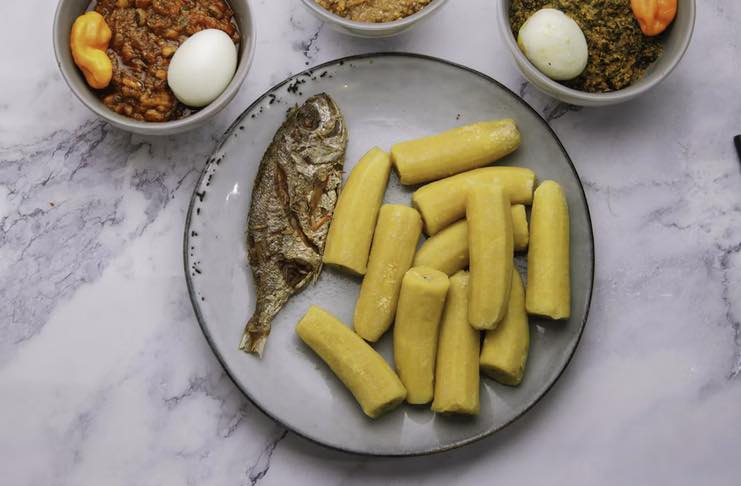
Most write-ups treat the plantain as one ingredient with one nutrition profile. It is not. A green plantain and a ripe one from the same bunch behave differently in the body, and the gap between them is wider than the gap between many separate foods. Add the fact that preparation can undo the advantage entirely, and the useful question is not whether to eat plantains but which stage to buy and what to do with it.
This guide, as part of our food trends, covers:
- Why ripeness changes the nutrition rather than only the flavor
- What green plantains provide that most other starches do not
- What is gained and lost as the peel turns yellow and black
- How preparation decides whether any of it survives to the plate
At a Glance
| Takeaway | Detail |
| Ripeness changes the food | Starch converts to sugar, so green and ripe have different profiles |
| Green means resistant starch | A starch that passes largely undigested and behaves more like fiber |
| Ripe means sweetness and minerals | More sugar, and higher potassium and magnesium |
| Glycemic response stays moderate | Both stages sit lower on the glycemic index than many staples |
| Cooking method is decisive | Plantains absorb oil readily, so frying changes the picture substantially |
| Introduce gradually | A sudden increase in resistant starch can cause bloating |
A Plantain Is Two Different Foods
Hawaiian plantains, sometimes sold as Hua Moa, arrive green and firm. At that point the flesh is dense and starchy, closer to a potato than to fruit, and it is meant to be cooked rather than eaten raw. Left on a counter, the peel moves through yellow to nearly black over a couple of weeks, and the flesh sweetens as it goes. Watch this video to get a glimpse of fried Hawaiian plantain:
What is happening inside is a conversion. Starch breaks down into sugars, which is why a black plantain caramelizes in a hot pan while a green one will not. That conversion is also the nutritional story, because the starch being lost is the part with the most interesting properties.
The transformation runs slower than it does in a dessert banana, which is useful. You get a genuine window at each stage rather than a couple of days, so a single delivery can be used green at the start of the week and ripe at the end without anything going to waste.
That means ripeness is a choice rather than a countdown. Deciding what you want from the fruit before you cook it is the whole skill here.
What Green Plantains Give You
The property worth understanding is resistant starch. It’s starch that resists digestion in the small intestine and passes largely intact into the colon, where gut bacteria ferment it. Functionally it behaves more like fiber than like a typical carbohydrate, so blood sugar rises more slowly after eating it than after eating readily digested starches.
That has a few consequences. It feeds gut bacteria, which is why resistant starch turns up in discussions of the microbiome. It contributes to feeling full after a meal. And it means the same weight of food delivers fewer usable calories than the carbohydrate count alone suggests.
Green plantains are among the more concentrated everyday sources of it, which is not true of most staples in a typical Western diet. A fresh Hawaiian plantains box arriving green gives you that window before the starch converts, and boiling or baking at that stage preserves most of it.
Green plantains also carry more fiber, vitamin C, and folate than ripe ones, and the glycemic index across both stages sits in the moderate range rather than the high one, according to Healthline. One caution worth stating plainly: a sudden jump in resistant starch can cause gas and bloating in anyone not used to a high-fiber diet, so increase the amount gradually.
What Ripening Changes
The trade is not one-directional. Ripe plantains lose resistant starch and gain sugar, but they also become richer in potassium and magnesium, and their carotenoid content gives the deep yellow flesh its color. Potassium in particular is worth noting, since a medium cooked plantain supplies a substantial share of a day’s intake.
| Green | Ripe | |
| Resistant starch | High | Much lower |
| Sugar | Low | Considerably higher |
| Fiber | Higher | Lower |
| Potassium and magnesium | Present | Higher |
| Vitamin C and folate | Higher | Lower |
| Best cooking methods | Boil, bake, twice-fry | Bake, pan-cook, roast |
Neither stage is the correct answer. If blood sugar response is the priority, green is the better choice. If the goal is potassium and a naturally sweet side dish without added sugar, ripe does that job. Most households that cook plantains regularly use both, and the slow ripening curve makes that practical rather than aspirational.
What plantains do not provide, at any stage, is meaningful protein. A medium one carries under two grams, so it belongs in a meal as the starch rather than as the centerpiece.
Preparation Decides the Outcome
This is the part that undoes everything else. Plantains are naturally very low in fat and they absorb oil readily, which means deep frying turns a high-fiber starch into a high-fat food. Tostones, maduros, and mofongo are all excellent and none of them are the version to reach for if the nutritional properties are the reason you bought the fruit.
Boiling, baking, and roasting keep the profile intact. Baked plantain chips with a light coating of oil get close to the fried texture at a fraction of the fat. Boiled green plantain works in stews and mashes and holds its resistant starch well. Cooking and then cooling starchy foods before eating them can also increase resistant starch content, which is a free improvement for anyone batch cooking.
Companies like Tropical Fruit Box ship Hawaiian plantains in small, medium, and large boxes hand-packed in Miami, which suits the two-stage approach since you can cook part of a delivery green and let the rest ripen.
For the underlying numbers, the USDA’s FoodData Central database publishes full nutrient profiles for both green and ripe plantain, and Consumer Reports has covered the resistant starch research and the point that preparation, rather than the fruit itself, is usually what determines the outcome. Anyone managing blood sugar or a specific health condition should treat this as general information and take dietary decisions with a clinician.
The Short Version
Buy green if you want resistant starch, fiber, and a slower blood sugar response. Let them ripen if you want sweetness, potassium, and a side dish that needs no added sugar. Then cook them in a way that does not submerge them in oil, because that single decision matters more than which stage you chose.
Key Takeaways
- Decide green or ripe based on what you want from the meal rather than waiting by default
- Boil, bake, or roast when the nutritional properties are the point, and save frying for when they are not
- Increase intake gradually, since a sharp rise in resistant starch causes bloating in some people
Plantains have fed large parts of the world for centuries without anyone calling them a superfood. They are a versatile starch with a genuinely useful property in their green stage, and the main thing standing between that property and your plate is a pan full of oil.
Frequently Asked Questions
Are plantains healthier than bananas?
They are different rather than better. Plantains are starchier, less sweet, and eaten cooked, while dessert bananas are eaten raw. Plantains generally carry more of most vitamins and minerals per serving and a higher proportion of their carbohydrate is starch rather than sugar. Bananas are more convenient. Neither is a substitute for the other.
Are green or ripe plantains better for you?
It depends on the goal. Green plantains contain more resistant starch, fiber, vitamin C, and folate, and produce a slower blood sugar response. Ripe plantains contain more sugar but also more potassium and magnesium. If blood sugar management is the priority, green is preferable. Otherwise both have a place.
Can you eat plantains raw?
They are almost always cooked. Green plantains are dense, starchy, and unpleasant raw, closer in texture to an uncooked potato. Very ripe plantains are softer and technically edible without cooking, but the flavor and texture are far better cooked. Cooking also makes the starches easier to digest.
Do plantains raise blood sugar?
Less sharply than many comparable starches. Both green and ripe plantains sit in the moderate range on the glycemic index, and the resistant starch in green plantains slows the response further. Ripe plantains contain more sugar and will raise blood sugar more than green ones. Anyone managing diabetes should discuss portions with a clinician.
How much potassium is in a plantain?
A medium cooked plantain provides roughly a thousand milligrams, which is a significant share of the daily value for an adult and more than a typical banana. Ripe plantains tend to carry slightly more than green ones. Potassium supports normal blood pressure regulation and general electrolyte balance.
Are fried plantains unhealthy?
Fried plantains are considerably higher in fat than boiled or baked ones, because plantains absorb oil readily during cooking. That does not make dishes like tostones or maduros a problem in a balanced diet, but it does mean frying is not the way to eat plantains for their nutritional properties. Baking with a light coating of oil is a reasonable middle ground.