
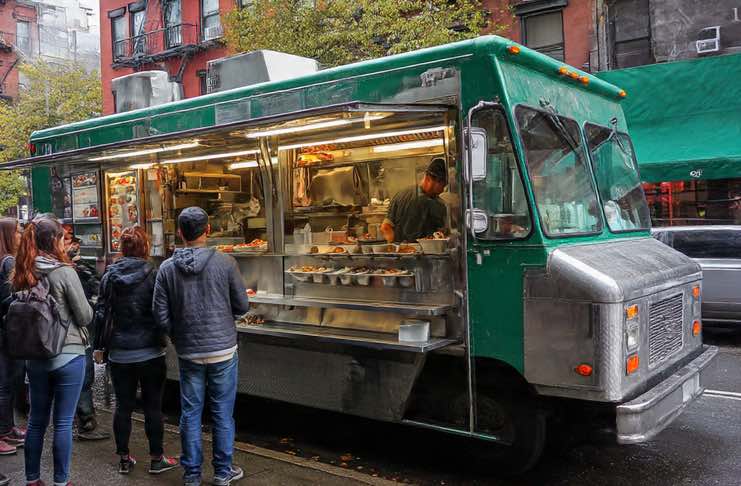
Operating a street food business appears easy: find a good location, prepare good food, and build a regular audience. However, most vendors have found that the real threats to profitability are unforeseen expenses, surprise permit renewals, equipment malfunctions, fines, and repair expenses that drain cash reserves. These invisible costs can turn a successful season into a loss in New York and other large cities, where operating costs and compliance standards are high. It is imperative to know them and how to act when money is tight to survive in the long run. In this post, as part of our street food business tips, we’ll explore the unexpected costs involved and how to cover them.
The True Cost of Permits and Compliance
Fragmented permit costs are among the initial shocks new vendors face. Street food operators tend to begin with a vendor or mobile food license, assuming it is a single payment. As a matter of fact, it can involve many layers: training courses, health inspection renewals, and area- or event-specific authorizations.
An example is the mobile food vendor license in New York City; to obtain it, one needs a certificate from a Food Protection Course, a fee, and, occasionally, a commissary permit if they keep ingredients elsewhere. Cities such as Chicago and Los Angeles have location-based parking and fire safety fees that add hundreds of dollars to annual bills.
What some vendors do not know is that they may be charged daily fines, equipment seizure, or even temporary closure in case of failure to renew a permit, all of which cost more than the initial renewal itself. Such losses can be avoided by regularly reviewing the local licensing calendar and enabling auto-reminders.
Watch this video to get a glimpse on the costs of street food permits in NYC:
Equipment Breakdowns: The Cost Nobody Budgets For
Even the well-kept trucks and carts break down. The failure of a commercial fridge, generator, or fryer can immediately halt sales, and repair is not cheap. Labor costs to repair mobile food equipment in the city can easily reach $100 per hour, not including parts. The cost of emergency night or weekend service is even greater.
Replacing a full generator can cost several thousand dollars (read more in this Reddit discussion), and most vendors must wait days to obtain parts or technicians. Keeping a small maintenance fund—approximately 3–5 percent of monthly revenue—will ensure that you do not get your business stalled by an urgent repair. Preventive maintenance (cleaning filters, replacing old cords, checking fuel lines, etc.) is a minor inconvenience, but it is much less expensive than missing out on an entire weekend of sales.
Watch this video to learn more about the equipment involved:
Insurance, Taxes, and Record-Keeping Mistakes
Entrepreneurs in the street food business often underestimate the importance of proper insurance and accounting. General liability and equipment coverage may seem optional, but they can save thousands of dollars in the event of an accident. Similarly, misplaced sales tax or payroll documents may result in unexpected penalties in the future.
Hiring an accountant or bookkeeper who has experience working with a small food business would ensure that your revenue, deductions, and write-offs are handled properly. It is also a means of finding cost-saving opportunities—like depreciation of the high-cost appliances or the availability of fuel tax credits.
Watch this video to learn more:
Common Unexpected Expenses
Every vendor’s experience is unique, but most face similar surprise costs that can hit anytime. The main categories include:
- Equipment repairs, such as fridge, fryer, or generator breakdowns.
- Health re-inspection fees and fines after failed spot checks.
- Permit renewals or missed deadlines leading to penalties.
- Inventory losses from spoilage or theft.
- Temporary staffing expenses like replacing a sick or absent worker.
These costs may look minor individually, but together they can drain a week’s revenue. Recognizing and budgeting for them early helps prevent a shortfall later.
Realistic Short-Term Financing Solutions for Street Food Operators
When an unexpected cost hits, the priority is to stabilize operations. If your fridge fails, act immediately to avoid inventory loss and keep limited menu items running. Use whatever operating cash you have before turning to external funding.
For external options, start local. Many community development lenders and nonprofit organizations offer microloans or short business lines of credit tailored for small food businesses. These loans typically have more flexible terms than traditional bank products and can be approved quickly. Some merchant cash advance providers also base repayment on daily card sales, allowing returns to scale with your income—though rates can be high, so always compare. Do you consider financing options from other states? Here is a review of things to know about borrowing in another state, explaining how interstate lending works.
Industry platforms like Mobile Cuisine and Food Truck Empire frequently publish vendor success stories and financial guides on how operators navigate seasonal or emergency costs. Likewise, the Toast POS blog offers practical budgeting advice for small restaurant operators and food trucks. While these aren’t lenders, they provide insight into how peers handle short-term funding and budgeting challenges.
How to Strengthen Long-Term Financial Resilience
When immediate costs have been put in check, look at avoiding recurrences. Monitor monthly expenditures and allocate at least 5 percent of revenue to the emergency fund. Store the copies of all permits and insurance documents digitally to prevent lapses in renewals. Check pricing strategy after every quarter to make sure that menu profitability can sustain increasing supply costs and fuel costs.
Websites like One More Cup of Coffee and Roaming Hunger often share case studies about profitable menu design and seasonal budgeting for mobile food businesses. Learning from such industry peers can help you build systems that absorb future shocks without depending on last-minute borrowing.
You should also learn about smart tax deduction tips. Watch this video for tips:
Final Tip: Build a More Financially Secure Food Business by Planning Ahead
Any street food operation is subject to unexpected costs, but they do not necessarily put your business in the dark. Being proactive is both time and money-saving when it comes to regulatory compliance, repair of emergency equipment, etc. Having a small cash reserve, keeping your licenses up to date, and being aware of your funding options can ensure that your business continues to deliver services to customers even in the dead weeks. Those unexpected expenses are easy to handle and can become predictable elements of your financial plan with a bit of planning and knowledgeable decision-making.
Frequently Asked Questions (FAQ)
1. What is the single most important unexpected cost I should budget for?
The most critical unexpected cost to budget for is equipment breakdown, specifically for your refrigeration unit or generator. A failure here can immediately halt sales and lead to significant inventory loss from spoilage, compounding the high cost of emergency repair or replacement. Allocate 3–5 percent of your monthly revenue to a dedicated maintenance fund.
2. How can I avoid surprise fines related to permits and compliance?
The best defense against compliance fines is proactive management.
- Create a Digital Calendar: Set up auto-reminders for all permit and license renewals (mobile food license, health certificate, commissary permit, fire safety fee, etc.). Set reminders 60, 30, and 7 days prior to the deadline.
- Consolidate Documents: Keep digital copies of all certificates in a single, accessible folder (like a cloud drive) to quickly verify compliance during spot checks.
3. Should I hire an accountant if my street food business is small?
Yes, hiring an accountant or bookkeeper with experience in small food businesses is highly recommended. While it is an expense, they can save you money in the long run by:
- Ensuring accurate handling of sales tax and payroll, avoiding costly future penalties.
- Identifying valid write-offs and deductions (like equipment depreciation) to minimize your tax liability.
4. What is a realistic short-term financing option if my emergency fund is empty?
If you have an urgent, unexpected cost and your cash reserves are depleted, start by looking into microloans or short-term lines of credit offered by community development financial institutions (CDFIs) or local non-profit business lenders. They often have more flexible terms and faster approval processes than traditional banks for small food businesses.
5. What kind of insurance do I need beyond basic general liability?
While general liability is essential to cover accidents involving customers, you should prioritize equipment breakdown coverage and business interruption insurance. Equipment coverage helps pay for expensive repairs to your fryer, fridge, or generator, and business interruption can help cover lost revenue if a major event (like a fire or extensive repair) forces you to close temporarily.
6. How do I protect my revenue from rising operational costs like fuel and supplies?
To maintain profitability in the face of rising costs:
- Review Menu Pricing Quarterly: Regularly check your menu prices to ensure the profit margins can absorb increased supply costs.
- Track Key Metrics: Specifically monitor food cost percentage and fuel consumption/cost regularly, as these are the most volatile expenses for mobile operations.