

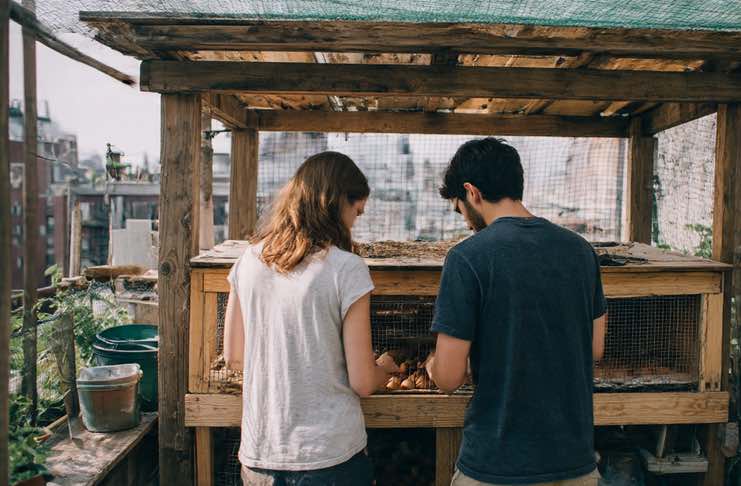
What’s up, food fanatics? You know we at Newyorkstreetfood.com are always chasing the best ingredients, from that crazy-good street taco to the perfect, runny egg yolk. And let’s be real, if you’re aiming for that organic, top-tier brunch egg, your hens need to live like royalty. Forget the fire escape coop—we’re talking about a setup that’s legit. A well-planned chicken coop brings order, comfort, and safety to a flock, directly impacting that golden egg quality. It’s a secure, organized space for roosting, nesting, and just generally thriving. A smart design isn’t just nice; it simplifies your life so you can spend less time cleaning and more time bragging about your bounty.
A reliable Backyard Chicken Coop isn’t just a box; it’s a wellness center. It needs structure, comfort, and a serious purpose. Every feature, from the door lock to the airflow, is part of the system that produces a healthy, stress-free hen—and stress-free hens lay those incredible, vibrant-yolked organic eggs we all obsess over. Here’s the insider scoop on the must-have features for a backyard setup that rivals a penthouse suite.
Strong Structure and Lasting Frame: Built to Last
Look, you wouldn’t trust a hot dog stand that looked like it was going to collapse in a stiff breeze, right? Same vibe here. A stable structure is the absolute foundation. The walls and roof have to shrug off moisture, wind, and all that daily hustle. The non-negotiable? A raised base. It’s like having the flock on the second floor, keeping them dry, and keeping the floor grime-free. Everything has to align perfectly—doors, latches—so those little ladies (and your investment!) are secure 24/7.
Our Experience
We were chatting with the owner of that trendy farm-to-table spot in Brooklyn, and he basically said, “If the hen’s home isn’t solid, neither is my soufflé.” Suppliers echoed this: they told us they view a top-quality, durable coop as essential for consistent quality. No surprise repairs or structural drama means the hens stay calm, and a calm hen is an egg-laying champion.
Watch this reel to learn more:
Comfortable Interior and Clean Layout: Vibe Check Approved
If the interior is chaotic, your hens will be, too. It needs to be an organized sanctuary. Think of it as a tiny, highly efficient apartment: designated zones for roosting, nesting, and just chilling. Roost bars need to be comfy, and the nesting boxes? They must be private, like a speakeasy for egg-laying. We need soft, natural bedding and clear walkways so there’s no bird-brained traffic jam. An efficient, clean layout is the secret sauce for low maintenance, which is huge for maintaining a true organic setup.
Our Experience
When we grill chefs about what makes an organic egg organic, they often point to the yolk color and flavor. One supplier whispered, “It’s all about comfort.” If a hen is stressed or can’t find a clean, private spot (her “zen den”) to lay, the egg quality dips. We were told that a thoughtful layout drastically reduces “floor eggs” (the dirty ones!), ensuring every precious organic orb is ready for a perfect omelet.
Reliable Ventilation and Natural Air Flow: Keep It Fresh, Keep It Real
Okay, real talk: chickens produce ammonia. If you’ve ever walked past a questionable dumpster in the summer, you know that smell is a problem. Ventilation is how we dodge that bullet. It needs balanced air movement without a drafty mess. A few adjustable vents on opposite walls are your move. Air exchange is vital for keeping ammonia levels low and preventing moisture buildup. This constant air turnover supports freshness and consistent comfort, which is totally non-negotiable for organic health standards.
Our Experience
On a sourcing trip upstate, one farmer literally gave us a TED Talk on air quality. He said, “Bad air equals sick birds,” and sick birds equal zero high-end restaurant eggs. He mentioned that top-notch ventilation is their most reliable organic control measure, reducing the need for other interventions. No one wants an egg that tastes like a Times Square subway grate, and good airflow keeps the coop smelling more like a fresh farmer’s market.
Secure Access and Convenient Entry Points: Easy In, Safe Out
This is where the caretaker’s life gets easier. Access points are key for feeding, cleaning, and that glorious egg collection—all with zero drama for the flock. The main door needs to be solid, and the locks need to be foolproof (hello, NYC rat-proofing!). Think separate doors for specific tasks, like a little hatch just for egg gathering. This design keeps things organized, prevents contamination, and minimizes debris tracking.
Our Experience
We spoke to a super-picky chef whose menu changes based on what the organic farm sends them. She said, “If the access is difficult, the egg gets dropped, or worse, they rush the collection.” A supplier showed us his coops—each had a dedicated, easily-accessed Backyard Chicken Coop egg door so workers could literally just scoop and go, ensuring the organic eggs stayed safe, clean, and crack-free, which is the gold standard for presentation.
Watch this reel for some more insights and inspiration:
Functional Additions and Practical Enhancements: The Deluxe Package
Sometimes, the little things make the biggest difference. These are the functional additions that turn a basic coop into a high-production, stress-free spot. Think of them as the luxury add-ons that pay for themselves in efficiency and egg safety. We’re talking:
- Drop-down trays for waste removal—a major time saver.
- Nest box covers to shield your prize-winning eggs from dust.
- Feed ports designed to prevent waste (you’re feeding hens, not pigeons).
- Slanted roofs that direct rain away, protecting the structure.
- Perch bars evenly placed for fair, comfortable roosting.
Durable Materials and Long-Term Strength: Get Your Money’s Worth
If you’re serious about a sustainable, organic egg supply, you need materials that are in it for the long haul. Quality lumber that shrugs off rain and sun is mandatory. The metal wire must have rust protection because peeling paint is a vibe no one needs. The frame has to handle years of opening and closing without getting wobbly. This isn’t just about avoiding a repair bill; it’s about providing a stable, consistent shelter that supports the flock’s health every single season.
Our Experience
We met a small-batch organic supplier in Jersey who services some of Manhattan’s hardest-to-get-into tasting menus. He put it simply: “My materials are non-toxic, sealed, and expensive, because I can’t afford an emergency.” A durable, weather-resistant coop means no sudden exposure, no moisture getting into the nesting areas, and no material breakdown that could contaminate the organic environment. It’s the ultimate insurance policy for your organic label.
Where Reliable Craftsmanship Meets Everyday Poultry Care
Finding that perfect coop means looking for builders who get it. They understand that a beautiful design is worthless if the hens are miserable. Their coops are a balance of strength and clean design, built with durable materials that fit securely, doors that glide smoothly, and ventilation that’s always on point. This craftsmanship reflects a commitment to dependable function over just looking cute for the ‘gram. That blend of strength, simplicity, and hen-centric design defines why the best chefs trust the eggs that come from these thoughtfully built Chicken Coop setups. Now go get your flock sorted—we’re waiting for those organic omelets!