

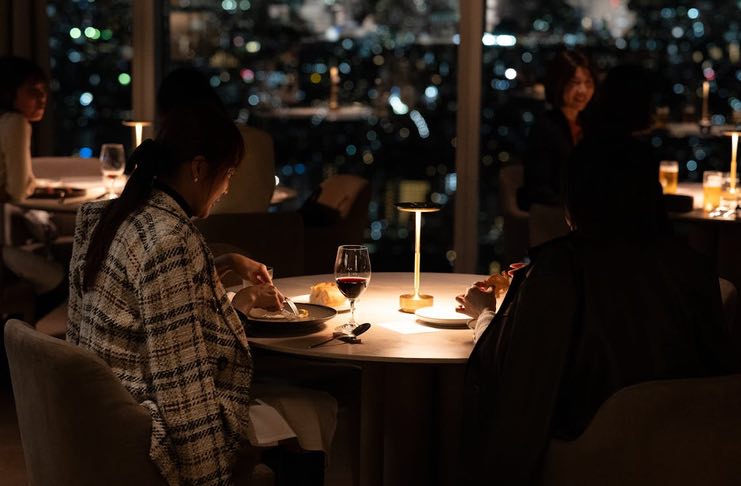
NYC restaurateurs spend serious money on the things guests notice first. The lighting consultant. The custom banquettes. The menu redesign that took four months and cost more than the new dishwasher. All of it matters. But there’s one factor that directly influences how long guests stay, how much they order, and whether they come back — and most owners aren’t thinking about it at all—the sound in the room.
Walk into any of the better new openings in the city over the past two years, and you’ll notice something hard to name immediately. The room feels different. More settled. Conversations don’t bleed into each other. You can actually hear the person across the table without leaning in. Look at the walls, and you’ll often find framed acoustic panels — fabric-wrapped, cleanly finished, integrated into the interior as deliberately as the artwork beside them. They’re not a technical afterthought. They’re part of the design.
This article is about what the data says on noise and dining behavior, why the visual execution matters as much as the acoustic performance, and why this upgrade has a better return on investment than most of the things restaurant owners spend money on.
Why NYC Restaurants Are Getting Louder Every Year
The architectural trends of the last decade have been catastrophic for restaurant acoustics. Open kitchens brought the sound of the line directly into the dining room, according to Eater. Exposed ceilings created massive reverberant volumes with nothing to absorb the sound energy bouncing around in them. Concrete floors, brick walls, glass partitions — every material that photographs well reflects sound aggressively. The result is a city full of restaurants that are genuinely painful to eat in at capacity.
Watch this video to learn more about the open kitchen trend:
This didn’t happen by accident. It happened because the designers specifying these spaces were optimizing for visual impact, and the owners were approving what looked good in renderings. Sound doesn’t render. Nobody in the approval process was asking what the room would sound like at 80 covers on a Saturday night, and by the time the answer became obvious, the build-out was done.
Retrofitting acoustics into an existing restaurant is less dramatic than a full redesign and significantly more effective than suffering through another year of one-star reviews that mention the noise.
What the Research Actually Says About Noise and Dining Behavior
The evidence here is not ambiguous. Noise affects dining behavior in measurable ways, and the effect on revenue is consistently negative when the room is too loud.
How Noise Level Affects Time Spent at the Table
Studies on restaurant environments consistently show that guests in loud spaces eat faster and leave sooner. The discomfort of trying to hold a conversation at high volume accelerates the meal. People skip dessert. They decline the second drink. They ask for the check earlier than they would have in a quieter setting. Table turns faster sounds like a win until you realize that each of those shorter visits represents a smaller check than the same guests would have run in a more comfortable room.
A guest who stays twenty minutes longer orders more. That’s not a theory. It’s what the data shows, and it’s why acoustic comfort has started appearing in hospitality consulting reports alongside lighting and menu engineering as a lever that actually moves revenue.
Watch this CBS reel to learn how restaurants are working on diminishing the noise:
The Link Between Acoustic Comfort and Average Check Size
The mechanism is straightforward. Comfort extends dwell time. Extended dwell time increases the likelihood of additional orders. A table that’s relaxed and able to converse normally is a table that considers the dessert menu, accepts the offer of another round, and engages with a server recommendation rather than rushing through the interaction to get out of a room that’s making them tense.
One hospitality research group found that reducing perceived noise level in a dining room correlated with a measurable increase in average check per cover. The number varied by context, but the direction was consistent across every environment studied. Quieter rooms make more money per guest. The physics and the economics point in the same direction.
Framed Acoustic Panels as a Design Element, Not an Afterthought
The reason framed panels have taken hold in better NYC restaurants while foam wedges never did is entirely aesthetic. Restaurant owners aren’t going to install something that makes their space look like a recording studio. Framed panels solved that problem by treating the visual execution as seriously as the acoustic performance.
Why Framing Makes Panels Work in a Restaurant Interior
A frame turns a panel into an object with intention. Clean edges, a finish that can match or complement the millwork in the room, and defined proportions that work with the architecture rather than against it. In a restaurant context, that matters enormously. The space is a product. Every visual element contributes to or detracts from what the guest is paying for, and anything that looks out of place undermines the experience even if guests can’t articulate why.
Hardwood frames in dark stained finishes work well in moody, intimate dining rooms. Natural wood reads beautifully in farm-to-table and casual upscale concepts. Painted frames that match the wall color make the panels recede visually while still doing their acoustic job. The range of execution options is wide enough that framed panels can work in almost any interior concept without compromise.
How to Integrate Panels Without Disrupting the Visual Concept
The most successful installations treat panels as part of the wall composition from the start rather than objects mounted on top of an existing design. Consistent spacing. Alignment with existing architectural features like wainscoting, window frames, or booth heights. Fabric colors pulled from the room’s existing palette.
Scale matters. A panel that’s too small for the wall it occupies reads as a mistake. A large panel, or a deliberate grouping of panels at consistent intervals, reads as design. The difference between an installation that looks considered and one that looks retrofitted is almost entirely about proportion and placement discipline.
Placement Logic for Dining Rooms, Bars, and Private Event Spaces
In dining rooms, the priority surfaces are the walls parallel to the main seating runs and any large flat ceiling area above the primary covers. These are where sound is bouncing most aggressively during service. Panels at booth height on the perimeter walls handle a significant portion of the problem without covering every surface.
Bars are a different challenge. The noise tolerance is higher, and the aesthetic language is often harder-edged. Panels above the back bar, on the wall behind seating, or as a feature element on the ceiling above the bar top address the worst of it without softening the energy of the space.
Private event rooms are the easiest case. Full treatment is appropriate, guests expect a more controlled environment, and the ROI on acoustic quality in event spaces is direct and measurable in repeat bookings.
Real Examples of NYC Restaurants That Got This Right
The pattern shows up consistently across different neighborhood contexts and price points. A 60-cover Italian spot in the West Village redid its dining room walls with fabric-wrapped framed panels after a year of noise complaints in online reviews. Within two months, the mentions of noise in reviews dropped sharply. Average table time increased. The owners attributed a measurable uptick in dessert orders to guests simply feeling relaxed enough to extend the meal.
A fast-casual concept in Midtown installed ceiling-height panels along one wall of a narrow space that had been creating unbearable flutter during the lunch rush. The staff noticed it first. Service communication improved, errors went down, and the lunch crowd started lingering past the meal rather than clearing out the moment they finished eating.
The through-line in both cases is the same. Guests don’t leave reviews saying the acoustics were excellent. They leave reviews saying the atmosphere was warm, the conversation was easy, and the evening felt unhurried. Acoustic treatment is the infrastructure behind every one of those impressions.
What This Upgrade Costs vs What It Returns
A professional framed panel installation in a small to mid-size NYC restaurant dining room runs between $2,500 and $8,000, depending on coverage and panel specification. That’s a one-time cost with no ongoing maintenance.
The return side of the math is simple. If acoustic treatment adds an average of fifteen minutes to the dwell time of thirty covers per service, and each of those covers represents a modest increase in check size, the incremental revenue over a month covers the installation cost entirely. In a city where restaurant margins are what they are, an upgrade with that payback period and no recurring cost is not a discretionary expense. It’s a business decision.
Where NYC Restaurant Owners Are Sourcing Their Panels
The quality of the panel matters in a commercial setting more than most people expect. Hospitality environments are hard on materials, and cheap panels show wear quickly in ways that undermine the aesthetic investment.
Companies like Sound Pro Solutions, for example, supply framed acoustic panels built for commercial applications, with free delivery in New York City and nationwide shipping. Their range covers multiple frame finishes, fabric options, and panel sizes — enough selection to match almost any interior concept without custom fabrication costs. For restaurant owners who want panels that perform acoustically and hold up visually over years of service, their commercial catalog is worth a serious look before specifying anything else.
Want to read more relevant articles? Check out our post on how digital menus are getting more and more popular among US restaurants.