
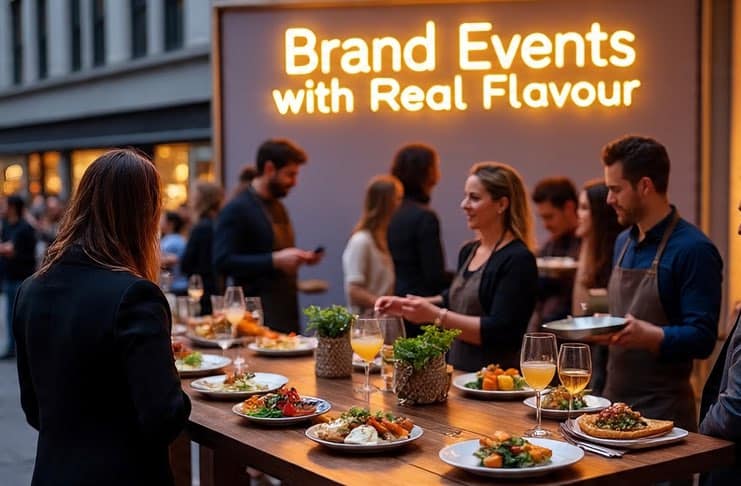
Hey there, food lovers and brand builders! It’s your long-time pal from Newyorkstreetfood.com, and if there’s one thing I’ve learned roaming these delicious streets for the past decade, it’s that New Yorkers don’t just eat; they experience. We crave stories, connections, and something real. And guess what? Brands are finally catching on. Gone are the days of just slapping a logo on a billboard and calling it marketing. We’re living in the age of “experiential marketing,” where brands invite you to step into their world, not just glance at it. And if you ask me, after seeing countless activations and working behind the scenes with some brilliant minds in event production, food is the secret sauce.
Why Does Food Hit Different? It’s More Than Just a Meal.
When you think about marketing, your mind probably jumps to catchy jingles or sleek visuals. But let’s be honest, how many of those truly stick with you? Now, think about your favorite meal. Can you recall the aroma? The first bite? The company you shared it with? That’s the magic. Food isn’t just fuel; it’s a sensory explosion, a time machine, and a social lubricant all rolled into one.
I’ve been to my fair share of brand events where the food was an afterthought – sad, lukewarm mini-quiches that tasted like cardboard. And you know what? Those events were forgettable. But then there are the ones where the food sings. I remember a tech company, usually all about cold hard data, hosting an event in a Brooklyn warehouse. Instead of a typical buffet, they had a pop-up kitchen serving artisanal grilled cheese sandwiches with unexpected fillings like fig jam and prosciutto. The smell alone was intoxicating, pulling people in. It wasn’t just lunch; it was an experience. People were laughing, sharing, and yes, talking about the tech company in a way they never would have if they’d just been handed a brochure.
Food engages all five senses, according to the experts at EAS, a Barcelona- and Cannes-based company that provides luxury corporate accommodation and event planning for conferences and trade shows across Europe and the US. According to them, the sizzle of onions on a griddle, the vibrant colors of a fresh salad, the comforting warmth of a hot soup, the satisfying crunch of a perfectly fried chicken, and, of course, the taste that lights up your brain. This multi-sensory engagement creates deeper, more lasting memories. It bypasses the logical brain and goes straight for the heart. Think about it: a specific scent can instantly transport you back to your grandmother’s kitchen, right? That’s the power brands are tapping into. When a brand’s message becomes intertwined with such a potent sensory memory, it sticks like caramel to a spoon. For more on how our senses influence our decisions, check out this piece from Harvard Business Review.
Some might argue that visuals or catchy slogans are enough to capture attention. And sure, they’ll get you a glance. But a glance is fleeting. A taste, a smell, a shared bite – that creates a connection. It’s the difference between seeing a picture of a warm blanket and actually snuggling into one on a cold day. One is an idea; the other is a feeling. Feelings are what drives loyalty.
Watch this reel to get a glimpse:
View this post on Instagram
What’s the Story? How Food Can Tell Your Brand’s Tale.
This is where it gets really exciting. Food isn’t just something to eat; it’s a powerful storytelling device. It’s like a blank canvas, and the ingredients, preparation, and presentation are your paints. For years, I’ve seen brands struggle to articulate their values. They’d put out mission statements that sounded like everyone else’s. But then, I started working with an event marketing company here in NYC that specialized in using food trucks for brand activations. That’s when I saw the light.
We had a sustainable fashion brand that wanted to launch a new line. Instead of just a runway show, we helped them curate a menu for a food truck that focused entirely on locally sourced, seasonal ingredients. Think farm-to-truck. Every dish, from the kale salad with roasted root vegetables to the artisanal berry tarts, whispered “responsible,” “fresh,” and “authentic.” The food wasn’t just delicious; it was a living, breathing testament to the brand’s commitment to sustainability. It was a revelation. People weren’t just eating; they were experiencing the brand’s ethos with every bite.
Your culinary choices can speak volumes. Are you a high-end luxury brand? Perhaps a meticulously crafted tasting menu with rare ingredients, presented like works of art, tells your story of exclusivity and refinement. Are you a playful, youth-oriented brand? Maybe a build-your-own gourmet taco bar with vibrant, unexpected toppings and a DJ spinning tunes fits the bill. The food becomes a metaphor for your brand’s personality. It’s about infusing brand identity into every culinary choice, from where the ingredients come from to how the dish looks on the plate. For more on how brands craft their narratives, this article on brand storytelling offers some good perspectives.
I recall another instance where a new financial tech company, trying to shed its stuffy image, opted for a “comfort food with a twist” theme. We brought in a truck serving elevated mac and cheese variations – one with truffle oil, another with spicy chorizo. It was unexpected, comforting, and showed a human side to a typically rigid industry. It symbolized their approach: taking something familiar and making it better and more accessible. This kind of thoughtful integration turns a simple meal into a powerful brand statement. It’s about creating context clouds around your brand through taste and experience.
Is a Food-Centric Event Right for You? Exploring the Options.
So, you’re convinced food is the way to go. But what kind of food event? The options are as diverse as New York’s culinary scene itself. I’ve seen them all, from quick pop-ups to elaborate multi-day affairs.
- Pop-Up Experiences: These are fantastic for creating buzz and a sense of urgency. A few years back, a new streaming service launched with a pop-up ice cream truck in Union Square, giving away unique, limited-edition flavors named after their new shows. The lines were insane! It created immediate social media chatter and a feeling of “you had to be there.” The pros? High impact, relatively low commitment. The cons? Can be tricky to manage crowds and permits in a city like ours.
- Interactive Workshops: Want deeper engagement? Get people cooking! I once attended a coffee brand’s event where they had a barista workshop. We learned latte art and different brewing methods. It was hands-on, educational, and left me feeling like an expert (even though my latte art looked more like a Rorschach test). This works wonders for brands that want to showcase expertise or build a community.
- Curated Tasting Menus: For a more exclusive feel, nothing beats a tasting menu. I helped coordinate one for a high-end skincare brand. Each course was designed to evoke a different natural ingredient found in their products. It was elegant, and sophisticated, and felt incredibly luxurious. It’s a fantastic way to convey premium quality and attention to detail.
- Collaborations with Local Chefs/Restaurants: This is a win-win. Brands get instant culinary credibility, and local eateries get exposure. We often partnered our food trucks with local chefs for special menu items. It adds authenticity and taps into the existing love for NYC’s food scene.
- Product Launches: Instead of just a press conference, imagine launching a new smart home device with a “smart kitchen” experience, demonstrating how the device seamlessly integrates into cooking. I saw a blender company do this, offering fresh smoothies and soups made on the spot. It immediately deliciously showed the product’s utility.
The choice depends on your brand’s goals, budget, and target audience. Do you want broad reach or deep engagement? A quick splash or a lasting impression? Each format offers a different flavor of interaction.
Watch this reel for some more inspiration:
View this post on Instagram
What to Know Before You Dive In: NYC’s Culinary Event Scene.
New York City is a beast, a beautiful, delicious beast. Leveraging its food scene for your brand event means understanding its quirks and charms.
My experience with the food truck company taught me that event production is a marathon, not a sprint. You need permits, logistics, and a whole lot of patience. But the payoff? Unmatched.
- Street Food Festival Integration: NYC is home to incredible street food festivals. Instead of trying to build something from scratch, sometimes the smartest move is to integrate your brand into an existing, beloved event. Sponsor a stage, have a branded food truck, or set up an interactive booth. I’ve seen brands gain massive exposure by tapping into the energy of events like Smorgasburg or the Queens Night Market. It’s like joining a party that’s already rocking.
- Rooftop Dinners with a View: For luxury brands, a rooftop dinner overlooking the Manhattan skyline is pure gold. I attended a watch brand’s launch where they served a multi-course meal on a stunning Chelsea rooftop. The food was exquisite, but the view was the star, symbolizing the aspirational nature of the brand. It’s about creating an atmosphere where every element, including the food, elevates the experience. For some ideas on the best locations for this, read our post about the best rooftop bars in NYC.
- Hidden Speakeasy Pop-Ups: For brands that thrive on exclusivity and discovery, a hidden food pop-up in a secret location can create immense intrigue. We once helped a craft spirits brand set up a “secret bar” in an unmarked storefront in the Lower East Side, serving bespoke cocktails and small plates. The challenge of finding it became part of the fun, and the reward was a unique, intimate brand experience. It made people feel like they were part of an exclusive club.
- Food Truck Takeovers: This was our bread and butter. A branded food truck, serving custom menu items, can literally bring your brand to the people. We’d park them outside major events, in busy parks, or even do office building takeovers. The mobility and novelty of a food truck make it a powerful tool for direct consumer engagement. Just be prepared for the parking wars!
The key here is authenticity. New Yorkers can spot a fake a mile away. If your brand is about innovation, don’t serve boring hot dogs. If you’re about community, don’t host an invite-only, stuffy dinner. The food, the setting, the vibe – it all has to align with your brand’s true self.
How Do You Know It’s Working? The Real Taste of Success.
Okay, so you’ve thrown an amazing food-centric event. People loved the truffle mac and cheese, they posted pictures, and they had a blast. But did it actually help your brand? This is where the rubber meets the road, or rather, where the fork meets the plate.
Measuring the ROI of experiential marketing, especially when food is involved, goes beyond simple sales figures. Yes, if you’re selling products at the event, track those sales. But the deeper impact lies in engagement and brand perception.
- Engagement Metrics: How many people showed up? How long did they stay? How many shared photos or videos on social media using your hashtag? I’ve seen events where the social media buzz continued for days, even weeks, after the actual event. That’s earned media, and it’s priceless. Tools like social listening platforms can help you track mentions and sentiment.
- Brand Perception: Did people walk away feeling differently about your brand? Did they understand your message better? Simple post-event surveys can be incredibly insightful. Ask about their overall experience, what they learned about the brand, and if the food enhanced their perception.
- Media Coverage & PR Value: Did local food blogs, lifestyle magazines, or even major news outlets pick up your story? A well-executed, food-focused event is inherently newsworthy, especially in a city obsessed with food. I’ve personally written about dozens of these events for Newyorkstreetfood.com, and trust me, if it’s delicious and creative, it gets noticed.
The real win isn’t just a bump in sales today; it’s building a deeper, more emotional connection with your audience that translates into long-term loyalty. It’s about making your brand feel less like a corporation and more like a trusted friend who always brings the best snacks to the party. For more on measuring the impact of marketing efforts, this article from Forbes offers some valuable insights.
The Future is Flavorful: A Final Bite of Wisdom
After a decade of exploring New York’s incredible food scene and seeing how brands are trying to carve out their space in people’s minds, one thing is clear: food is no longer just sustenance; it’s a strategic asset in the world of marketing. It’s the ultimate ingredient because it bypasses the logical and goes straight for the emotional. It creates memories, sparks conversations, and builds connections that no billboard ever could.
So, for all you brands out there, stop thinking of food as just catering. Start thinking of it as a powerful storytelling tool, a sensory experience, and a direct line to the hearts (and stomachs) of your audience. New York City is ripe with culinary talent and diverse flavors waiting to be woven into your next brand narrative.
People Also Ask: Your Burning Questions About Food & Brand Events
- How can food make my brand more memorable? Food engages multiple senses, creating stronger, more emotional memories than purely visual or auditory marketing. When a positive food experience is tied to your brand, it forms a lasting, positive association.
- What kind of food works best for brand events? The best food aligns with your brand’s identity and your audience’s preferences. It could be gourmet, comfort food, street food, or highly interactive. Authenticity and quality are key.
- Is it expensive to use food in experiential marketing? Costs vary widely depending on the type of event, scale, and food choices. While some high-end experiences can be pricey, creative pop-ups or food truck collaborations can be very cost-effective for the impact they deliver.
- How do I measure the success of a food-centric brand event? Look beyond direct sales. Focus on engagement metrics (social media mentions, dwell time), brand perception shifts (surveys, sentiment analysis), and media coverage. The goal is often long-term brand affinity, not just immediate transactions.
- Can small brands use food in their marketing? Absolutely! Small brands can leverage local partnerships, simple but high-quality food offerings, or interactive DIY food stations to create memorable experiences without a massive budget. Creativity counts more than raw spending.