

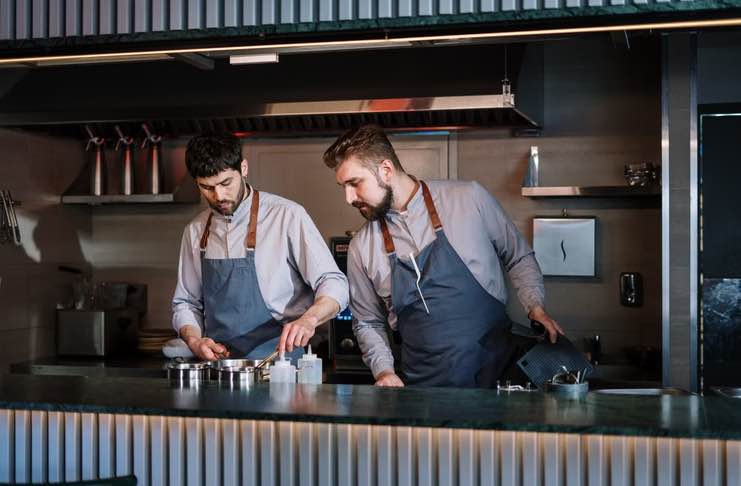
Modernizing a commercial kitchen while keeping a restaurant open requires careful scheduling, practical equipment choices, and a clear understanding of how the kitchen operates during busy hours. Replacing outdated appliances, improving food preparation areas, and reorganizing workstations can increase efficiency, but poorly timed upgrades can slow down orders and frustrate customers. Restaurant owners can avoid these problems by breaking renovations into manageable stages and prioritizing improvements that address everyday operational challenges.
Identify Which Kitchen Upgrades Matter Most
The first step in modernizing a commercial kitchen is identifying equipment and workstations that consistently slow down service. A restaurant serving hundreds of meals daily depends on reliable refrigeration, efficient cooking equipment, and enough preparation space to keep orders moving. If chefs regularly wait for available burners or employees struggle to access ingredients during rush hours, these problems deserve attention before cosmetic improvements.
Review equipment maintenance records (if you don’t have any – start by downloading and using this one), observe how staff move between stations, and ask kitchen employees which tasks create unnecessary delays. This approach helps owners invest in improvements that solve existing problems rather than purchasing expensive appliances that add little operational value. Watch this video for some ideas on what you need to improve:
Plan Equipment Purchases Around Your Budget
Commercial kitchen upgrades can involve substantial expenses, particularly when replacing industrial ovens, refrigeration systems, or ventilation equipment. Before purchasing anything, compare equipment prices, installation requirements, energy consumption, and expected maintenance costs. Restaurant owners should also consider whether repairing an existing appliance provides sufficient value or whether replacement offers better long-term performance.
For businesses that need several major upgrades but want to preserve cash for payroll, inventory, and daily expenses, an equipment loan can finance essential purchases through scheduled payments. Compare interest rates, repayment terms, fees, and total borrowing costs before choosing a financing arrangement. The goal is to improve kitchen operations without creating financial pressure that affects other areas of the business. Watch this video to see what tools you really need to have:
Real people talking
Lease-or-buy is an argument I hear in kitchens all over New York, and a first-time owner on r/restaurantowners asked it outright. Most replies said to buy the durable hot-line gear (some even buy it used) and to lease only the high-maintenance machines, like the dish machine and ice machine, ideally with a service agreement. Several warned that used refrigeration can turn into expensive repairs if one surprise bill would hurt your cash flow. Read the post on Reddit
Schedule Renovations Around Your Slowest Service Periods
Kitchen renovations become easier to manage when contractors work during periods of low customer demand. A restaurant that serves most of its customers during lunch and dinner can schedule certain installations overnight or early in the morning, while a breakfast-focused establishment can arrange work after its afternoon closing time.
Start by reviewing several weeks of sales data to identify slower weekdays and seasonal patterns. Coordinate deliveries, electrical work, plumbing adjustments, and equipment testing so contractors complete related tasks within the same work window. Some upgrades, particularly those involving ventilation systems or major utility connections, require temporary shutdowns, so identify these requirements before establishing a renovation schedule. Clear communication between contractors and restaurant managers helps prevent unfinished work from interfering with the next service. Watch this reel for a cool restaurant kitchen renovation:
Real people talking
A cook on r/KitchenConfidential described a day when the hood motor died at noon and the repair would take days. Management kept the line open anyway, running the grill, fryer and oven with the back door propped open and a fan going. The top replies were nearly unanimous that this wasn’t legal. They pointed to fire code, ventilation rules and health and safety regulators, which is why I always tell owners to treat the hood as a planned shutdown, not something to work around mid-service. Read the post on Reddit
Improve Kitchen Layout Without Major Construction
A more efficient kitchen layout can reduce unnecessary movement and improve order preparation without requiring extensive structural changes. Consider how ingredients travel from storage to preparation stations, cooking equipment, and the final plating area. When employees repeatedly cross the kitchen to retrieve ingredients or supplies, relocating storage shelves and worktables can save valuable time. Keep frequently used utensils within reach, provide adequate counter space near cooking stations, and separate raw food preparation from ready-to-eat food handling to reduce cross-contamination risks.
In smaller restaurant kitchens and food truck operations, vertical shelving, compact refrigeration units, and multifunctional equipment can improve available workspace. Before rearranging equipment, verify that the proposed layout maintains required clearances, sanitation standards, and safe access to emergency exits.
Real people talking
An owner planning a new kitchen posted their floor plan on r/KitchenConfidential and asked for feedback. Working cooks quickly spotted trouble: the dirty-dish rack sat where servers would block the walk-in door, a hand sink on the line would stop anyone getting to the oven, and a prep table in the middle made the room feel tight. It’s the kind of bottleneck every cramped NYC kitchen knows, and it shows why walking through a layout with real staff matters before you move anything. Read the post on Reddit
Introduce New Equipment in Manageable Stages
Replacing several essential appliances at once creates unnecessary operational risks, especially when employees need time to learn unfamiliar equipment. Instead, introduce upgrades according to their importance and installation complexity. Start with smaller improvements, such as preparation tables, storage systems, or countertop appliances, before moving to larger cooking and refrigeration equipment.
When installing a new commercial oven, for example, keep the existing unit operational until technicians finish installation, testing, and staff training whenever space and safety requirements allow. Confirm that new appliances work correctly under normal cooking conditions before removing older equipment. A staged approach also gives managers an opportunity to evaluate whether each upgrade improves service speed, food consistency, or kitchen productivity.
Real people talking
When a walk-in cooler died at one restaurant, the owner called in a full refrigerated truck to hold the food, and the cook who posted it on r/KitchenConfidential was floored when it showed up. In the comments, another cook said their kitchen rented the same kind of truck for about three days while a replacement walk-in was delivered and installed. They said it was a hassle, but they stayed open through their events. It’s a good reminder to line up a backup before the old unit comes out. Read the post on Reddit
Prepare Your Staff for Changes Before Installation
Kitchen employees need clear instructions before renovations change their work environment or introduce unfamiliar equipment. Hold a short meeting to explain which stations will move, how the installation schedule affects daily responsibilities, and what temporary procedures employees should follow. Assign experienced team members to help test new appliances and identify workflow problems before the next busy service.
For equipment with digital controls or programmable cooking settings, arrange practical training so cooks understand operating procedures, cleaning requirements, and safety features. Keep updated instructions accessible near relevant workstations, especially during the first several days after installation. Staff involvement helps managers identify practical issues that contractors and equipment suppliers may overlook.
Real people talking
A kitchen supervisor on r/KitchenConfidential was told two supervisors would get eight hours of training over two days on a new combi oven, and they wondered whether that was overkill. Most replies said it wasn’t. They said these ovens do so much, including self-cleaning cycles that involve chemicals, that the time pays off. One person who trains on Rational ovens said sessions are usually closer to four hours. Read the post on Reddit
Keep Food Safety and Customer Service Consistent
Maintaining food safety throughout a kitchen renovation requires more than keeping construction materials away from preparation areas. Protect ingredients from dust and debris, monitor refrigeration temperatures, and prevent contractors from entering active food handling zones without appropriate precautions. Coordinate utility interruptions carefully, since water, electricity, and ventilation problems can affect sanitation and safe food preparation.
Restaurant managers should consult local health requirements and confirm whether specific renovations require inspections or permits before reopening affected areas. If limited kitchen capacity makes the full menu difficult to maintain, temporarily offer fewer dishes that staff can prepare consistently. Communicate any service changes clearly to customers so renovation-related delays don’t affect their dining experience.
Real people talking
An aspiring owner on r/restaurantowners asked for the steps to build out a restaurant from an empty retail space. One operator in the replies said they got the local health inspector and zoning official to look over the plans before they brought in any equipment. They said both were very helpful and answered all their questions. I’d tell NYC operators the same, and the Health Department’s customer service office is the place to start. Read the post on Reddit
Measure the Results After Each Upgrade
A successful kitchen modernization should improve daily operations in ways restaurant owners can measure. Compare average ticket times, equipment downtime, food waste, and energy consumption before and after completing upgrades. Ask employees whether the updated layout reduces unnecessary movement and whether new appliances improve cooking consistency during peak service. Continue monitoring performance for several weeks, since staff needs time to adjust to new equipment and procedures. By focusing on practical improvements, coordinating installations carefully, and protecting daily service, restaurant owners can modernize their kitchens without letting renovation work disrupt the customer experience.