

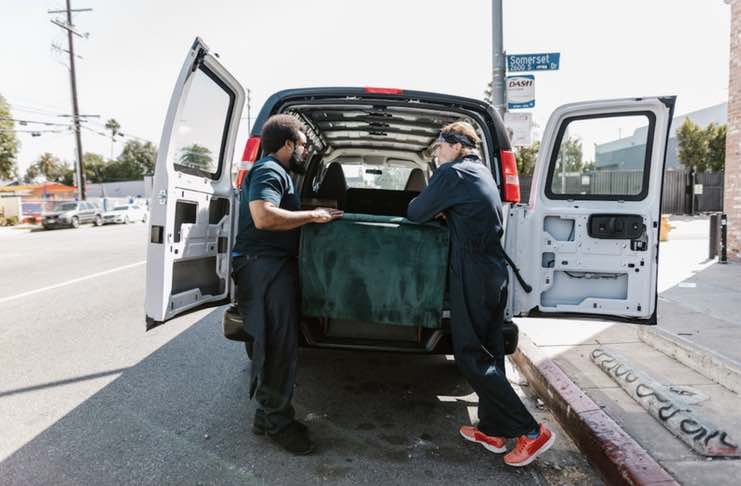
Beverages are carefully designed to deliver a specific taste, texture, and aroma every time they are opened. That experience depends on more than the recipe alone. Temperature during transport plays a major role in how a drink holds up before it reaches the customer. Even slight exposure to heat can slowly alter flavor balance and freshness. Cold delivery protects beverages during this unseen stage of the journey. It helps preserve the experience consumers expect when they take the first sip. In this post, as part of our food business tips, we’ll explore how cold delivery helps protect beverage consistency and flavor.
From production facilities to store shelves, beverages pass through many environments. Loading docks, warehouses, and trucks all introduce temperature risks along the way. Warm conditions speed up chemical reactions inside bottles and cans. These reactions can subtly alter the taste long before a product expires. Cold delivery slows these processes and protects product stability. This makes temperature control a core part of beverage quality management.
Why temperature control matters before the first sip
Temperature influences how ingredients behave over time. Sugars, acids, carbonation, and natural flavors respond differently when exposed to warmth. When drinks warm during transport, the balance can shift gradually. Sweetness may feel heavier, acidity can soften, and aromas may fade. These changes often go unnoticed until the product is consumed. Cold delivery helps maintain ingredient balance throughout the journey.
Using a controlled cold chain with partners like Tieman Group helps protect beverages during long and complex distribution routes. Temperature-controlled transport reduces stress on the product during travel. Drinks arrive in closer to their original condition, regardless of the distance. This consistency supports brand reliability across different markets. Retailers gain confidence in product quality. Consumers receive the same taste every time they purchase.
Cold delivery also supports sensory quality beyond flavor alone. Mouthfeel, aroma, and visual clarity depend on stable conditions. Heat can cause separation, dull carbonation, or subtle texture changes. These shifts may not be obvious on the shelf. Consumers notice them once the product is opened. Cold delivery helps preserve the full sensory experience intended by the producer.
Flavor stability during long-distance transport
Longer transport times increase exposure to environmental changes. Each additional hour outside a safe temperature range adds risk. Cold delivery creates a stable internal environment during transit. This stability protects beverages from daily temperature swings. External heat becomes less impactful when cold control is consistent. The product remains protected regardless of route length.
Carbonated beverages benefit greatly from temperature stability. Heat can affect pressure balance and carbonation retention. This may result in a flatter texture or altered mouthfeel. Cold delivery helps maintain proper carbonation levels. It protects the drinking experience that consumers expect. Consistent fizz supports both taste and satisfaction.
Non-carbonated beverages also gain protection from cold delivery. Juices, teas, and functional drinks contain ingredients sensitive to heat. Vitamins, colors, and natural extracts degrade faster in warm conditions. Cold delivery slows this breakdown process. Products maintain freshness for longer periods. This stability supports shelf appeal and flavor integrity.
Shelf life protection without formula changes
Many beverage brands aim to keep ingredient lists simple. Heat exposure often shortens shelf life and forces formula adjustments. Cold delivery reduces the need for these changes. Products remain stable without added preservatives. This supports clean-label goals without compromising safety.
Drinks made with dairy or plant-based ingredients are more temperature sensitive. Warm conditions can cause texture changes or separation. Cold delivery helps preserve consistency from factory to shelf. This allows brands to maintain original formulations. Consumers receive the product as intended.
Longer shelf stability also improves planning and logistics. Retailers gain more flexibility in storage and rotation. Fewer products are removed due to quality concerns. Brands experience lower losses across the supply chain. Cold delivery supports operational efficiency while protecting product integrity.
Where cold delivery makes the biggest difference
Cold delivery protects beverages most during vulnerable moments in the supply chain. These stages often determine whether quality holds or declines before purchase.
- During loading and unloading, when products move between controlled spaces
- On long transport routes with changing outdoor temperatures
- In a multi-stop distribution where timing varies between deliveries
- When beverages contain natural or functional ingredients
- For premium drinks where flavor precision defines brand value
Managing temperature during these moments reduces hidden risks. Cold delivery adds targeted protection where beverages need it most. This focused approach strengthens overall consistency. Brands benefit from fewer surprises after distribution. Quality becomes more predictable across all locations.
Fewer losses and fewer quality complaints
Temperature issues often lead to wasted inventory. Products may appear normal while tasting off due to heat exposure. Cold delivery reduces this risk by keeping beverages within safe ranges. Fewer shipments are rejected after arrival. This saves time and resources for suppliers and retailers.
Quality complaints often stem from handling rather than production. A drink that tastes different from a previous purchase can damage trust. Cold delivery helps prevent these negative experiences. Customers receive a consistent flavor with each purchase. Brand loyalty grows through reliability.
Reduced waste also supports sustainability goals. Fewer spoiled products mean fewer raw materials used for replacements. Transport efficiency improves when quality holds. Cold delivery supports responsible operations without added complexity. Businesses benefit both financially and environmentally.
Trust was built quietly through consistency
Cold delivery rarely appears in marketing campaigns. Its impact shows through repeated positive experiences. When customers enjoy the same flavor every time, confidence builds naturally. That confidence strengthens brand reputation over time. Consistency becomes a quiet competitive advantage.
Retailers and distributors value suppliers who deliver stable products. Predictable quality reduces operational friction. Partnerships grow stronger when fewer issues arise. Cold delivery supports smoother collaboration across the supply chain. Everyone benefits from reliability.
In crowded beverage markets, small details matter. Flavor consistency influences repeat purchases more than promotion alone. Cold delivery protects those details during every mile of transport. It acts as a silent safeguard for quality. Long-term brand strength grows from that protection.