
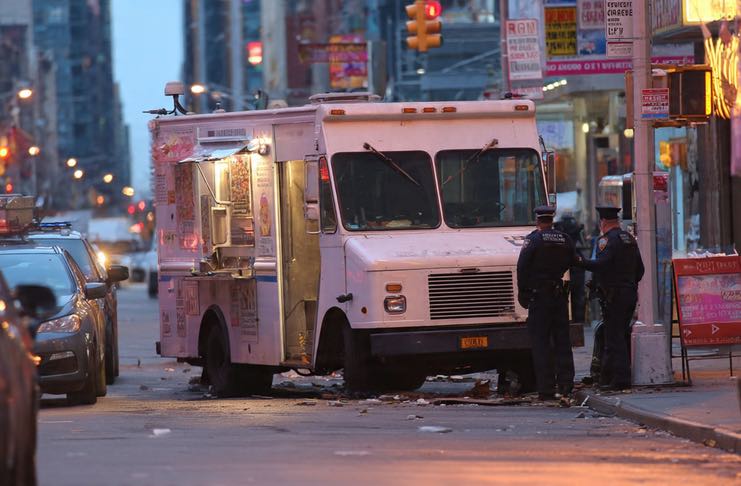
Food trucks are popular at festivals, lunch spots, breweries, concerts, and busy street corners because they offer convenience and creativity. However, they are large vehicles that operate in areas where regular trucks usually don’t. They park along crowded curbs and attract foot traffic, which can lead to crashes that are more complicated than they seem. In this post, as part of our food trucks blog, we’ll discuss the not-so-nice part of this industry, food truck accidents…
Food trucks carry cooking equipment, propane tanks, and heavy appliances that can shift or malfunction. They often stop and start quickly and make sharp turns, creating hidden dangers for drivers, pedestrians, and cyclists. When crashes occur, victims may suffer serious injuries and face confusing liability issues involving drivers, owners, or equipment failures. If you’ve been injured in a food truck crash, we talked to the guys at Jacoby & Meyers Accident & Injury Lawyers to get the useful tips below. These guys can help you investigate the cause and pursue compensation for your damages.
Why Food Trucks Create Different Risks Than Standard Commercial Vehicles
Food trucks are built for cooking, not just driving. Their weight distribution is often uneven because appliances, storage, and fuel systems are positioned throughout the vehicle. That can make them more difficult to maneuver and slower to brake or turn safely, especially in tight spaces.
They also operate in unpredictable environments. Standard trucks usually have clear loading zones or industrial routes. Food trucks often squeeze into crowded event areas, narrow city streets, or parking lots full of pedestrians. The combination of heavy vehicle movement and dense foot traffic is one reason food truck accidents can become particularly hazardous.
Watch this CBS News video of a food truck accident in Queens:
The Parking Problem: Sudden Stops, Improper Pullovers, And Blind Spots
One of the biggest hazards is how food trucks park. Many stop abruptly on the side of busy roads, pull into bike lanes, block visibility at intersections, or park in areas with limited clearance. Drivers behind them may not have time to react, leading to rear-end collisions or sudden swerves that cause multi-vehicle crashes. Read this Reddit discussion for more insights.
Food trucks also have major blind spots, especially when backing up or merging into traffic. If a driver is focused on navigating crowds or finding a spot near customers, they may miss a cyclist, pedestrian, or vehicle entering their path. This risk increases at night or during events when visibility is reduced.
Pedestrian Surges: How Food Trucks Create Crowd-Based Hazards
Food trucks don’t just bring food—they bring crowds. Customers often line up on sidewalks, spill into parking lots, or wait near street corners. Drivers may be distracted by the crowd, and pedestrians may step off curbs unexpectedly to approach the truck or cross toward a line.
Accidents often happen when people walk behind a truck as it backs out, when cars strike pedestrians crossing mid-block near the truck, or when cyclists crash into customers standing too close to the road. These situations can create liability issues beyond the driver alone, especially if event planners or property owners failed to manage safe pedestrian flow.
The “Rolling Restaurant” Factor: Equipment That Can Make Injuries Worse
Food trucks carry internal hazards that standard trucks don’t. Propane tanks, hot oil, sharp kitchen tools, and heavy cooking appliances can all make a crash more dangerous. If the truck collides at speed or tips over, equipment may break loose, ignite, or spill hot substances that cause burns and serious trauma.
Even a “low-speed” accident can lead to severe injury if hot surfaces, boiling liquids, or gas lines are involved. Victims may suffer not only impact injuries but also burn injuries or chemical exposure. These added risks can increase both medical complexity and the value of a legal claim.
Distracted Driving And Delivery Pressure
Food truck drivers are often doing more than driving. They may be coordinating routes, checking schedules, communicating with event organizers, monitoring equipment, or managing staffing needs. Some are owner-operators who handle everything themselves, which increases distraction while driving and parking.
There’s also pressure to arrive early, claim a prime location, or move quickly between events. That urgency can lead to unsafe driving decisions—speeding, rushing turns, parking illegally, or skipping basic safety checks. When driver choices contribute to a crash, liability may be clearer, but evidence still matters.
Liability Can Extend Beyond The Driver
Food truck accident cases often involve more than just the driver. Food trucks are usually owned by a business, and that business may be responsible for maintenance, hiring, and safety practices. If the driver was working at the time of the crash, the company may be liable for negligence, unsafe supervision, or poor training.
Other responsible parties may include event organizers, property owners, or municipalities if unsafe traffic control, poor lighting, or hazardous parking layouts contributed to the collision. In equipment-related incidents—such as propane explosions—liability may also extend to manufacturers or maintenance providers.
Common Injuries In Food Truck Crashes
Food truck crashes often cause serious harm because these vehicles are heavy, have large blind spots, and operate around pedestrians and tight spaces. Common injuries include:
- Broken bones: Fractures in the arms, legs, ribs, or pelvis from high-impact collisions.
- Traumatic brain injuries (TBI): Concussions or more severe brain trauma from blunt force or being thrown.
- Spinal injuries: Herniated discs, spinal fractures, or catastrophic spinal cord damage.
- Internal injuries: Organ damage or internal bleeding, which may not be obvious right away.
- Crush injuries (especially pedestrians): Pinning injuries that can cause severe tissue damage or amputations.
- Severe soft tissue injuries: Deep lacerations, torn ligaments, and muscle damage.
- Burns and scarring: Fires or hot equipment/fuel failures can cause serious burns requiring specialized care.
- Inhalation injuries: Smoke or chemical inhalation when a fire occurs inside or near the truck.
These injuries often require specialized treatment, such as surgery, skin grafts, long-term rehabilitation, and emotional support—especially when burns or disfigurement are involved.
Evidence That Helps Prove Fault In Food Truck Accident Cases
To build a strong claim, evidence is critical. Police reports help establish basic facts, but photos and video are often key—especially in crowded event settings. Surveillance cameras, dashcams, and phone footage can show how the truck was parked, whether it blocked traffic lanes, or whether it backed up unsafely.
Other valuable evidence includes maintenance logs, inspection records, driver qualifications, event permits, and company safety policies. If the crash involved equipment failure, preserving the truck and its internal systems may be essential to prove what caused the added hazard.
Food Truck Accidents Combine Traffic Risk With Commercial Liability
Food trucks are fun and convenient, but they create unique road hazards. Heavy vehicles mix with crowded areas, leading to risks like improper parking, blind spots, sudden stops, and kitchen equipment dangers, making accidents more complex than usual.
If you get hurt in a food truck accident, don’t think of it as “just another crash.” These cases often involve commercial insurance and greater responsibility. With proper investigation and evidence, victims can seek fair compensation for their injuries.