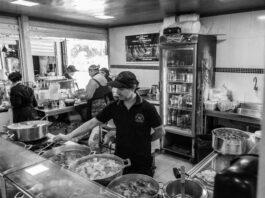
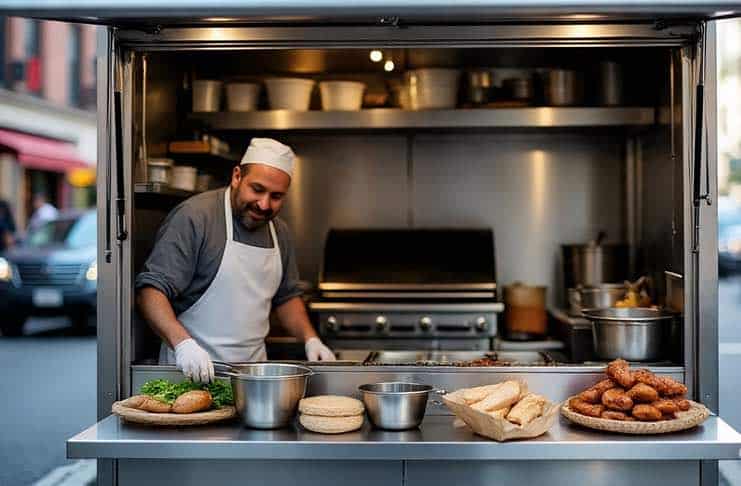
Street food vendors face a unique set of issues balancing limited space with demanding safety needs. Thoughtful planning makes equipment a suitable fit while also protecting workers and consumers. Practical layouts and safety considerations complement cleanliness and accident prevention while improving service delivery and customer acceptance. Understanding how to make space work while meeting safety demands is imperative for any street food business. So, in this post, as part of our food business tips, we’ll explore how to balance space and safety when it comes to your street food equipment.
Historical Note:
Street food is a concept that dates back to ancient Rome, where food vendors would provide cooked-for-consumption items in urban markets. The initial operations for street food consisted of simple carts or stalls with limited cooking equipment. As urbanization gained pace, space-related problems and safety factors took center stage. Vendors soon came to take advantage of regulated environments and sophisticated equipment designs that blended tradition with modern safety and economic aspects. Street food now includes state-of-the-art solutions for small spaces and tight safety parameters.
Importance of Proper Equipment Layout
A well-planned equipment layout is essential for street food vendors to maximize their limited space while maintaining safety standards. Arranging tools and appliances efficiently helps reduce clutter, prevent accidents, and improve workflow. Vendors can serve customers faster and keep the cooking area clean by thoughtfully placing everything within easy reach. Businesses like NSA Storage also show how smart storage solutions can help manage equipment when space is tight, supporting safer and more organized operations.
Key factors for equipment layout include:
- Clear separation of cooking and preparation zones
- Easy access to fire extinguishers and safety equipment
- Proper ventilation near heat sources
By cleverly planning the work area, street food vendors achieve a harmony between functionality and safety. A good layout reduces the incidence of injury and contamination, enhancing customer experience. Where space is a concern, every inch counts, and smart planning is one of the most important factors for success. Vendors who pay close attention to layout make it easy on themselves to honor health codes while being safe for their crew to produce good food.
Watch this video to learn more:
Table 1: Smart Equipment Layout Tips for Small Street Food Spaces
| Layout Feature | Purpose | Tips for Implementation |
|---|---|---|
| Separation of Cooking and Prep Zones | Prevents cross-contamination and accidents | Use portable barriers or color-coded surfaces |
| Vertical Storage Solutions | Maximizes limited square footage | Install overhead shelves and magnetic tool racks |
| Compact, Multi-purpose Equipment | Saves space and reduces clutter | Choose griddle-oven combos or folding prep tables |
| Ventilation Near Heat Sources | Improves air quality and reduces fire risk | Use window fans or small exhaust systems where allowed |
| Clear Safety Paths | Ensures quick movement in case of emergencies | Maintain at least 36-inch clearance near exits |
| Storage Near Workstations | Speeds up workflow and limits back-and-forth movement | Keep utensils, spices, and tools within arm’s reach |
Key Safety Features for Street Food
- Fire suppression systems in cooking areas
- Slip-resistant flooring to prevent falls
- Properly insulated and grounded electrical outlets
- Safe storage for knives and sharp tools
Observation:
Their safety gear is critical to protecting workers from injury and consumers as they buy. Fire suppressant systems immediately contain blazes, minimizing damage and injury risk. Slip-resistant floors help eliminate falls in hot or oily conditions characteristic of food prep. Adequate electrical protection eliminates shock or conflagrations from faulty cabling. Storage of sharp tools out of reach minimizes lacerations and injuries. All these combine to deliver a safer environment in which food can be more confidently prepared with increased speed. Vendors who invest in safety gear win consumer trust as they also reduce liability. Easy protection costs itself in active street food operations.
Table 2: Essential Safety Features for Street Food Vendors
| Safety Feature | Why It Matters | How to Apply It |
|---|---|---|
| Fire Suppression System | Automatically controls cooking fires | Install under hoods or use portable kitchen-safe extinguishers |
| Slip-resistant Flooring | Reduces falls on oily or wet surfaces | Use rubber mats or textured vinyl flooring |
| Grounded Electrical Outlets | Prevents electrical shock and fire | Hire certified electricians for wiring and checks |
| Knife and Tool Storage | Minimizes injury risks | Use magnetic strips, blade guards, or lockable drawers |
| First Aid and Burn Kit | Enables quick response to accidents | Keep visible and fully stocked; check contents monthly |
| Food-Safe Cleaning Supplies | Maintains hygiene without harming health | Store separately from food; use labeled spray bottles |
Equipment Layout FAQ
Many street food vendors ask how to balance space and safety in their setups. Here are clear answers to common questions.
How can I optimize small street food spaces?
Using vertical storage and compact equipment helps make the most of limited space. Organizing tools near workstations improves workflow and safety.
What safety measures should I include?
Essential features include fire extinguishers, non-slip mats, and proper ventilation. These protect workers and customers from accidents and hazards.
What are some sustainable food packaging solutions?
Choosing eco-friendly containers reduces waste and appeals to customers who value green practices. Compostable or recyclable packaging is a great option.
Is it difficult to meet health codes with limited space?
Not if you plan well. Efficient layouts and regular cleaning help maintain hygiene and meet safety standards even in tight areas.
Understanding these basics helps street food vendors create safer, more efficient setups that also support sustainability.
Cleaning and Maintenance Tips
Keeping street food equipment clean and well-maintained is key to safety and success. Here are quick tips to help:
- Clean surfaces and tools after each use to prevent contamination
- Schedule regular deep cleaning for grills and fryers
- Use food-safe cleaning products to protect equipment and health
- Inspect electrical connections frequently for safety
- Replace worn parts promptly to avoid breakdowns
- Store cleaning supplies safely away from food areas
Following these simple steps helps maintain a hygienic, safe workspace. Clean and well-kept equipment lasts longer and works better. Combining good cleaning habits with sustainable food packaging solutions also supports a healthier business and environment.
Watch this video for some more cleaning tips:
Regulations and Compliance
A street food vendor in New York City recently revamped their equipment layout and safety measures to comply with local regulations. By reorganizing their workspace and adding fire safety equipment, they passed health inspections with ease. This change helped increase customer confidence and reduce downtime caused by safety issues. The vendor also integrated sustainable food packaging solutions, attracting more eco-conscious customers. Their success shows how paying attention to space and safety helps when you start a food business.
Health inspection ratings increased by 25 percent after equipment was upgraded and safety procedures revamped
By focusing on regulations, vendors obey laws and provide for public health. Proper compliance saves closures and fines while enhancing reputation. Vendors who plan for space and safety early establish strong, stable businesses that last.
Final Thoughts on Safe Street Food
Space or safety needs to be balanced for a sustainable street food service. Intelligent layouts, safety factors, and conformity to guidelines help protect workers as well as consumers. Consider these points if planning to set up a food service or improve a currently installed base. Effective equipment installations that allow for safety equate to a superior service with a satisfied customer. Get started today to make your street food service both space-savvy as well as safe.