
Street food is a beloved part of city life, offering delicious bites and convenience on every corner. But sometimes, grabbing a quick meal comes with unexpected risks. From slippery sidewalks to careless vendors, it’s important to know how to stay safe and what to do if things go wrong. As part of our food business and legal tips, this guide will walk you through common street food injuries, your rights, and the steps to take if your tasty snack turns into an unfortunate accident.
If you’re one of our followers in Brooklyn, for example, navigating the bustling streets and lively food scene is an everyday adventure. But in cities like New York, where street food is a vibrant part of the culture, understanding your legal options, including when to consult a Brooklyn premises liability lawyer, can make a big difference in protecting yourself after an accident.
Common Street Food Injuries (and How They Happen)
Street food is part of New York City’s charm, tasty, fast, and easy to grab on the go. But sometimes, getting a quick bite can lead to unexpected injuries.
Slip and Falls on Slick Sidewalks
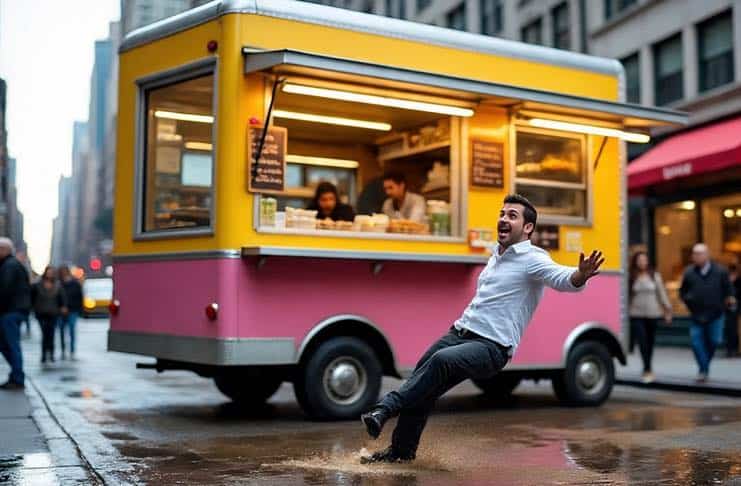
If you’ve ever stepped near a food cart and felt your foot slide, you’re not alone. Grease, spilled drinks, and dropped sauces can make sidewalks slippery and dangerous. When you add busy foot traffic or bad weather into the mix, the risk increases. Falls can cause more than embarrassment; they often result in sprains, fractures, or serious bruises.
My Experience
Oh, the number of times I’ve nearly done the “street food slide”! I once saw a tourist completely wipe out near a falafel cart in Midtown because of a massive patch of tahini. Another time, covering a new ramen truck in the East Village, a vendor accidentally kicked over a bucket of dishwater, turning the pavement into a slip-n-slide for about ten minutes before someone tossed some sawdust on it. It’s wild out there, folks, and spills happen fast when you’ve got hundreds of people and dozens of carts crammed into a few blocks.
Burns and Scalds from Hot Food
Hot coffee or soup might taste great, but spilling it can quickly lead to painful burns. Sometimes the container or lid isn’t secured properly, causing hot contents to spill out when you least expect it. Vendors who don’t carefully handle or package their items can unintentionally cause these injuries.
My Experience
Burns are sadly more common than you’d think. I vividly remember covering a chili cook-off street festival where a vendor, rushing to serve a long line, handed a cup of scalding hot chili to a customer with a loose lid. The chili sloshed right onto her hand. I’ve also heard tales of hot coffee lids popping off during a bumpy walk, or even steam burns from opening a freshly wrapped bao bun that was just a bit too steamy. It’s not always malicious; sometimes it’s just the chaotic nature of fast-paced street service.
Accidents Near Food Trucks or Carts
Food trucks and carts frequently move locations, sometimes in crowded areas. This movement can lead to accidents, such as being bumped by equipment or even hit by a vehicle backing up. If you’ve experienced something like this, remember that vendors have a responsibility to operate safely.
My Experience
This is a big one, especially in high-traffic spots. I’ve personally witnessed a food truck backing up a little too quickly in a crowded SoHo street, nearly clipping a pedestrian who wasn’t expecting it. And just last year, at a holiday market, a heavy cooler being wheeled out from a cart rolled off its dolly and grazed someone’s ankle. It’s easy to get absorbed in the delicious smells and bustling crowds, but these moving parts and tight spaces mean you always need to be aware of your surroundings.
Know Your Rights: What NYC Law Says
If you’ve been hurt near a street food vendor, you might wonder if anyone is legally responsible. In many cases, someone is, especially if your injury was caused by careless actions or unsafe conditions.
Who Could Be Liable?
Responsibility for an injury depends on how it happened. If a vendor leaves a spill or hazard unattended, they may be liable. If the sidewalk was uneven or unsafe, the adjacent property owner could be responsible under NYC Administrative Code § 7‑210. The City is generally not liable unless it owns or controls the area, and claims against it require filing a formal notice within 90 days. If a food truck were involved, the company operating it may also be held accountable.
Important Legal Concepts
According to New York Law, “premises liability” means that property owners must keep public spaces safe. If they don’t, and you get hurt, they may owe you compensation. “Negligence” covers situations where someone didn’t take basic precautions, like cleaning up a spill. “Product liability” applies when you get hurt by something defective, such as a faulty container or unsafe food.
Documenting the Incident
Documenting what happened is crucial. Take clear photos of the scene, any hazards involved, your injuries, and anything you purchased. Keep receipts and packaging. If there are witnesses, politely ask for their names and phone numbers. These details make a big difference if you decide to pursue a claim.
What to Do Right After an Injury
When you’re hurt, you might feel shaken or embarrassed. But taking the right steps immediately afterward can make all the difference.
- Get Medical Attention: Even if you think your injury is minor, see a doctor as soon as possible. Some injuries get worse over time. Getting checked out creates a clear record connecting your injury directly to the accident.
- Report the Incident: Talk to the vendor and calmly explain what happened. Get their contact information. If they’re unhelpful or dismissive, report the incident to the police or call 911. Filing a report can help you later if you need to take further steps.
- Gather and Save Evidence: Take photos immediately, capturing details like the area, the hazard, and the cart or truck involved. Save your receipts or packaging, and if witnesses are around, get their contact details. The more evidence you have, the stronger your case will be if needed.
When Should You Consider Hiring a Lawyer?
You didn’t plan on getting hurt. Now you’re stuck dealing with pain, medical bills, or lost work. Sometimes, the situation clears up easily, but other times, things get complicated.
Signs You May Need a Lawyer
If your injury affects your work, leads to medical bills, or leaves you with lasting pain, it’s time to talk to someone who understands these situations. If you’re getting the runaround from the vendor or insurance company, that’s another clear signal you might need legal help.
How a Lawyer Can Support You
A personal injury lawyer helps handle paperwork, communicates with insurance companies, and ensures your rights are protected. They’ll work toward getting fair compensation for your injuries, expenses, and lost time at work, allowing you to focus on recovering.
Getting hurt shouldn’t leave you alone and confused. Reach out, ask questions, and know that help is available.