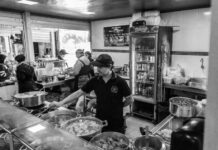


New York City has always been the spiritual home of the grab-and-go meal. From bodega sandwiches to corner store soups, the fast-paced food scene has long relied on speed, variety, and convenience. But in a post-pandemic world, with rising demand for fresh, high-quality options and streamlined service, NYC’s iconic deli counters are undergoing a digital transformation. Enter grocery deli catering software—a new breed of tech that’s reimagining how New Yorkers get their pastrami, poke bowls, and prepared meals on the fly. Here’s how this smart software is powering a deli renaissance across the five boroughs.
Menus Are Now Driven by Data, Not Guesswork
Traditionally, deli managers relied on gut instinct and yesterday’s sales to decide what to prep for the day. But with the latest software, decisions are now based on real-time analytics. The software tracks sales patterns, seasonal trends, and even time-of-day preferences to help teams stock the right items in the right quantities. Egg salad may fly off the shelves in Midtown at lunch but flop in SoHo by dinner—now, operators have the data to know that and adjust accordingly.
Watch this video to learn more:
Mobile Ordering Gets the Deli Off the Sidelines
While pizza joints and fast-casual chains have long benefited from mobile ordering, many grocery delis lagged behind. That’s changing fast. Today’s deli catering platforms allow customers to browse menus, customise sandwiches, and schedule pickups directly from their phones. It’s not just convenient—it’s transforming the neighborhood deli from a spontaneous stop into a deliberate destination. Some stores have even integrated app-based loyalty programs to keep regulars coming back for their lunchtime staples.
Smarter Prep Reduces Waste and Saves Margins
Food waste has always been a pain point for delis, where large volumes of fresh food are prepped daily without any guarantee that it’ll sell. Catering software uses predictive algorithms to help reduce that risk. By analysing historical sales data, local events, and even weather forecasts, the platform can recommend production volumes with surprising accuracy. Less overproduction means leaner operations, lower spoilage, and higher margins—without sacrificing availability or freshness.
Watch this video to learn more:
Catering Orders Bring in New Revenue Without New Headaches
Catering used to be a logistical nightmare for grocery delis—messy spreadsheets, endless calls, and unclear order timelines. Today, platforms designed for grocery deli operations enable businesses to efficiently manage large orders for corporate lunches, birthday parties, or holiday platters with minimal friction. The software handles everything from order customisation and payment to fulfillment scheduling and delivery tracking, giving small deli counters the same level of sophistication as national chains.
Traditional Deli vs. Tech-Powered Deli: A Comparison
| Feature/Aspect | Traditional Deli Operations | Deli with Grocery Deli Catering Software |
|---|---|---|
| Menu Planning | Based on gut instinct, past day’s sales, and manager’s experience. | Driven by real-time analytics, sales patterns, seasonal trends, and time-of-day preferences. |
| Ordering Process | Primarily in-person; phone orders for larger requests. | Seamless mobile ordering, customisation, and scheduled pickups via app/web. |
| Waste Management | High risk of food waste due to overproduction based on guesswork. | Predictive algorithms analyse data (sales, events, weather) for accurate production volumes, reducing waste. |
| Catering Management | Manual (spreadsheets, phone calls), logistically complex, prone to errors. | Automated management of customisation, payment, fulfilment scheduling, and delivery tracking. |
| Customer Loyalty | Relies on personal relationships and word-of-mouth. | Enhanced by integrated app-based loyalty programs and personalised offers. |
| Revenue Streams | Primarily walk-in sales; limited, difficult catering. | Increased revenue from efficient catering operations and expanded reach through mobile ordering. |
| Operational Efficiency | Labour-intensive, reactive adjustments. | Data-driven, proactive adjustments, streamlined workflows, reduced manual effort. |
Conclusion: A Tech-Forward Twist on an NYC Tradition
New York’s deli culture isn’t fading—it’s adapting. With grocery deli catering software bringing automation, analytics, and customer-centric design to the fore, the humble grab-and-go experience is getting a serious upgrade. Whether you’re grabbing a wrap between meetings or ordering a platter for the office, the modern deli is ready to serve, with a little help from smart technology.
Q&A: People Also Ask
-
- Q: How does grocery deli catering software help with menu planning?
- A: It uses real-time analytics to track sales patterns, seasonal trends, and even time-of-day preferences, helping deli managers decide what to prep and in what quantities, moving beyond guesswork.
- Q: Can I order from a grocery deli using my phone now?
- A: Yes, modern deli catering platforms allow customers to browse menus, customise orders, and schedule pickups directly from their phones, making it much more convenient.
- Q: How does this software reduce food waste for delis?
- A: By analysing historical sales data, local events, and even weather forecasts, the software’s predictive algorithms recommend accurate production volumes, leading to less overproduction and spoilage.
- Q: Does this software make it easier for delis to handle catering orders?
- A: Absolutely! It streamlines the entire process, managing customisation, payment, fulfilment scheduling, and delivery tracking for large orders, making catering much less of a logistical headache.
- Q: How does grocery deli catering software help with menu planning?
{
“@context”: “https://schema.org”,
“@type”: “BlogPosting”,
“mainEntityOfPage”: {
“@type”: “WebPage”,
“@id”: “https://newyorkstreetfood.com/blog/the-deli-revival-how-grocery-deli-catering-software-is-reinventing-nycs-grab-and-go-culture/”
},
“headline”: “The Deli Revival: How Grocery Deli Catering Software Is Reinventing NYC’s Grab-and-Go Culture”,
“description”: “Find quick answers to common questions about grocery deli catering software, including how it aids menu planning, mobile ordering, waste reduction, and catering management for NYC delis.”,
“image”: “https://newyorkstreetfood.com/blog/wp-content/uploads/2025/07/deli-revival-featured-image.jpg”,
“datePublished”: “2025-07-17T10:06:00-07:00”,
“dateModified”: “2025-07-17T10:06:00-07:00”,
“author”: {
“@type”: “Person”,
“name”: “Jennifer Bell”
},
“publisher”: {
“@type”: “Organization”,
“name”: “NYSF”,
“logo”: {
“@type”: “ImageObject”,
“url”: “https://newyorkstreetfood.com/blog/wp-content/uploads/2025/07/nysf-logo.png”
}
}
}
{
“@context”: “https://schema.org”,
“@type”: “FAQPage”,
“mainEntity”: [
{
“@type”: “Question”,
“name”: “How does grocery deli catering software help with menu planning?”,
“acceptedAnswer”: {
“@type”: “Answer”,
“text”: “It uses real-time analytics to track sales patterns, seasonal trends, and even time-of-day preferences, helping deli managers decide what to prep and in what quantities, moving beyond guesswork.”
}
},
{
“@type”: “Question”,
“name”: “Can I order from a grocery deli using my phone now?”,
“acceptedAnswer”: {
“@type”: “Answer”,
“text”: “Yes, modern deli catering platforms allow customers to browse menus, customise orders, and schedule pickups directly from their phones, making it much more convenient.”
}
},
{
“@type”: “Question”,
“name”: “How does this software reduce food waste for delis?”,
“acceptedAnswer”: {
“@type”: “Answer”,
“text”: “By analysing historical sales data, local events, and even weather forecasts, the software’s predictive algorithms recommend accurate production volumes, leading to less overproduction and spoilage.”
}
},
{
“@type”: “Question”,
“name”: “Does this software make it easier for delis to handle catering orders?”,
“acceptedAnswer”: {
“@type”: “Answer”,
“text”: “Absolutely! It streamlines the entire process, managing customisation, payment, fulfilment scheduling, and delivery tracking, giving small deli counters the same level of sophistication as national chains.”
}
}
]
}