
Vienna’s coffee houses are important parts of the city’s history and culture. These cafés have been gathering spots for locals and visitors for centuries, offering a place to relax, chat, and think. The city of Vienna has a long history with coffee, and over the years, its coffee houses have become famous for their connection to art, literature, and big ideas.
Many well-known writers, artists, and thinkers have spent time in these cafés, making them a key part of Vienna’s identity. But what is it about these coffee houses that makes them so special?
The Origins of Vienna’s Coffee Houses
Coffee arrived in Vienna in 1683, brought by the retreating Ottoman forces after their failed siege of the city. The Viennese quickly adapted the beans into a popular new drink. The first official coffee house in Vienna opened in 1685, marking the start of a long tradition.
Watch this reel to learn more:
These early coffee houses became gathering places for the city’s elite. Aristocrats, intellectuals, and artists frequented these spots, not just for coffee but to engage in discussions, debates, and creative exchanges. Over time, they evolved into key centers of social and intellectual life in Vienna.
Viennese Coffee House as a “Living Room”
Vienna’s coffee houses are often called the city’s “living rooms.” They feel like a second home for many people. Locals come here to sit for long periods, read newspapers, work, or simply relax. There is no pressure to leave quickly, and one cup of coffee can last for hours.
The atmosphere inside these cafés is open and welcoming. People talk freely, whether with friends or sometimes even with strangers. It is common to see discussions about everyday life, current events, or creative ideas. This makes coffee houses important spaces for sharing thoughts and learning from others.
These cafés also play an important role in community life. People from different backgrounds come together in one place, creating a strong sense of connection. For visitors exploring Vienna on a Danube river cruise, stopping at a traditional coffee house offers a simple way to see how locals spend their time and connect with each other.
A Day in the Life: Coffee House Etiquette
Viennese coffee houses have a distinct set of customs that make them unique. One of the main rules is that there is no rush. When you order a coffee, you’re expected to take your time. Patrons can spend hours sipping their drinks, reading, or simply people-watching. It’s common to sit quietly for long periods, enjoying the ambiance without feeling pressured to leave.
Another key part of the coffee house experience is the etiquette of maintaining a peaceful atmosphere. Many people enjoy reading, writing, or having deep conversations with friends. It’s not a place for loud talking or disruptions, but rather a space where ideas flow freely in a calm setting.
Famous Viennese Coffee Houses and Their Historical Significance
Vienna is home to some of the most famous coffee houses in the world, each with its own rich history.
- Café Central, known for its grand interior and intellectual atmosphere, became a favorite of famous figures like Sigmund Freud and Leon Trotsky. Note: it’s temporarily closed due to renovations.
- Café Sacher, located near the famous Hotel Sacher, is where the legendary Sacher Torte was first served, and it has long been a meeting place for those looking for luxury and tradition. Check them out on Instagram. Watch this video to get a glimpse:
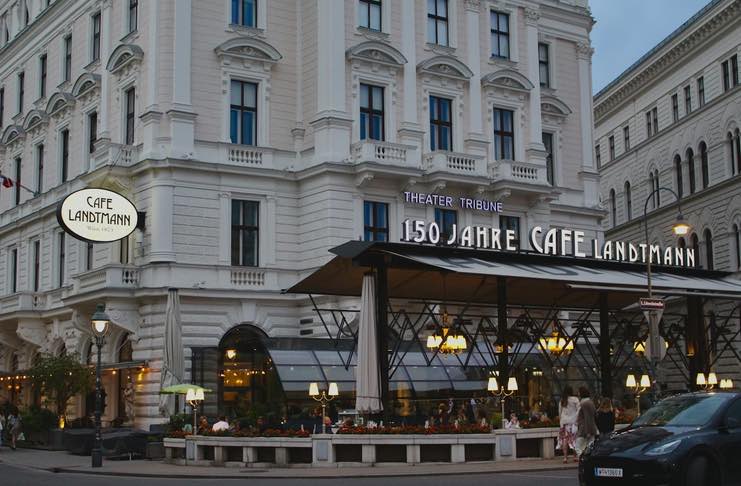
- Café Landtmann has been an iconic stop for generations, frequented by artists, politicians, and thinkers alike.
These coffee houses served as important meeting points for revolutionaries and intellectuals. The relaxed environment allowed people to gather and discuss new ideas, making them key venues for shaping Vienna’s political and cultural landscape.
The Coffee House and Vienna’s Literary and Artistic Movements
Vienna’s coffee houses have played a crucial role in nurturing the city’s literary and artistic movements. Writers, poets, and artists would often meet in these cafés to discuss ideas, share works, or debate the latest trends. For figures like Stefan Zweig, Karl Kraus, and Arthur Schnitzler, the coffee house was a space to connect with others and push creative boundaries.
These coffee houses became incubators for new ideas, where literary and artistic movements could take shape. The environment encouraged long, unhurried discussions that inspired some of the most important works of the 20th century.
Conclusion
Vienna’s coffee houses have transcended their role as simple cafés to become symbols of the city’s rich cultural heritage. These establishments continue to be vital spaces where history, conversation, and creativity intertwine.
As the world changes, the timeless appeal of Vienna’s coffee houses remains, offering a unique experience that can’t be replicated anywhere else. Whether you’re a first-time visitor or a long-time resident, the coffee house culture invites you to slow down, appreciate the atmosphere, and connect with a tradition that has endured for centuries.
- About the Author
- Latest Posts
Ron Rossi is a New York native, marketing director, and self-styled “Jaded Traveler” who has spent a career crossing borders — both professionally and culinarily. Having lived and worked across Asia, Europe, Africa, and South America, Ron has eaten his way through nearly 100 countries on six continents, always with the same philosophy: the best food belongs to the people, not the guidebooks. He gravitates toward mid-range, budget, and street food — the kind of meal a local nurse, teacher, or taxi driver would actually eat — and believes that a country’s character is most honestly revealed not in its fine dining rooms but in its markets, cart stalls, and neighborhood joints. At New York Street Food, Ron brings that same globe-spanning hunger to the five boroughs, hunting down the dishes that feed everyday New Yorkers and the stories behind the hands that make them.