

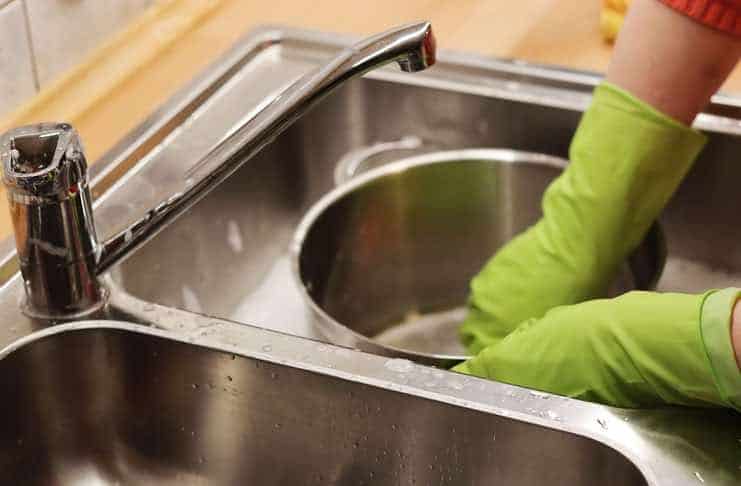
Spotting cloudy stains or chalky buildup on clean dishes can feel frustrating. Limescale affects everything from glasses to cutlery, leaving behind an unappealing residue that dulls their appearance. Beyond aesthetics, it signals a deeper issue with water quality that can impact your dishwasher’s performance and the longevity of your kitchenware. Understanding the causes of limescale and learning how to remove it effectively keeps your dishes sparkling and your appliances working at their best. In this post, as part of our food business tips, we’ll explore the best ways to get rid of limescale on your kitchen dishes.
Understanding What Limescale Is
Limescale forms when minerals in hard water precipitate and adhere to surfaces during the drying process. The primary culprits are calcium and magnesium, which naturally occur in groundwater. When water evaporates from dishes or dishwasher components, these minerals remain behind, forming a white, chalky layer.
This buildup appears most prominently on glassware, where transparency highlights every mark. Dishwashers, faucets, and kettles often display similar signs. With time, these deposits harden, making them difficult to remove through normal washing methods. Identifying the presence of limescale early prevents larger maintenance issues down the line.
Why Hard Water Creates Persistent Problems
Regions with hard water supply experience frequent limescale issues because high mineral content accelerates buildup. Each dishwasher cycle exposes dishes to mineral-rich water, and as temperatures rise during drying, the water evaporates quickly. This process leaves mineral residues clinging to dish surfaces and internal components of the appliance.
Dishwashers that run multiple times a week compound the issue faster. As mineral deposits build, they affect spray arms, heating elements, and sensors, reducing the efficiency of each wash. Hard water also reacts with detergents, weakening their cleaning power and leaving dishes less spotless than expected.
The Role of Detergents and Rinse Aids
Detergents and rinse aids influence how well dishwashers combat limescale. Quality detergents contain softening agents that counteract mineral content, improving cleaning results. Rinse aids enhance water sheeting during the final cycle, helping water slide off dishes instead of pooling and leaving deposits behind.
Inadequate detergent quality or skipping rinse aid often allows minerals to cling more easily. Monitoring detergent amounts and ensuring rinse aid dispensers remain filled plays a significant role in controlling limescale formation. Even with the right products, consistent water hardness may still demand additional measures.
Spotting the Signs Early
Early detection helps prevent extensive buildup. Cloudy glassware, white film on dishes, and chalky residue inside the dishwasher indicate the onset of limescale. Some homeowners mistake this for soap scum, but unlike soap residue, limescale feels gritty and resists basic rinsing.
Checking heating elements and dishwasher interiors periodically reveals hidden accumulation. A dull, white coating signals that descaling should take place soon. Addressing these signs early saves time and prevents deeper cleaning challenges later.
Simple Household Methods to Tackle Limescale
Household staples such as vinegar and baking soda offer quick, budget-friendly ways to manage light limescale. Vinegar’s mild acidity dissolves mineral deposits, while baking soda helps scrub surfaces without scratching. Running a hot cycle with a cup of vinegar placed on the top rack loosens buildup inside the machine. Afterward, sprinkling baking soda on the bottom and running another short cycle freshens and brightens interior surfaces.
Regular monthly treatments keep dishwashers clean and prevent stubborn deposits from forming. These natural remedies work best on minor to moderate buildup rather than severe cases.
Professional-Grade Approaches
For heavier deposits, specialized products deliver stronger results. Many manufacturers produce descaling solutions formulated specifically for dishwashers. These products break down calcium and magnesium deposits without damaging components.
Using these treatments every few months, depending on water hardness, maintains dishwasher efficiency. Consistent care prevents mineral buildup from reaching levels that require costly repairs or professional servicing.
Modern Solutions for Preventing Buildup
Modern households rely on several practical methods to keep dishes spotless even in hard water regions. Installing water softeners or using dishwasher salt helps reduce mineral concentration before water reaches the appliance. These systems exchange calcium and magnesium ions for sodium, creating softer water that minimizes limescale formation. Some homeowners explore solutions to remove limescale that combine water treatment technology with high-performance detergents. These approaches address both the source of the problem and its visible effects.
Effective prevention depends on understanding the specific hardness level of your water supply. Simple home test kits or municipal water reports reveal this information, guiding the selection of appropriate softening systems or detergents.
How Dishwasher Maintenance Plays a Role
Regular maintenance prevents limescale from becoming a recurring nuisance. Cleaning filters, wiping door seals, and running empty cycles with descaling agents all contribute to a healthier dishwasher environment. Neglected filters trap minerals and food debris, which create buildup and unpleasant odors.
Inspecting spray arms ensures that mineral deposits do not block water flow. If spray holes clog, soaking them in vinegar for a few hours dissolves the obstruction. Well-maintained machines operate more efficiently, distribute water evenly, and leave dishes free from chalky residue.
Why Addressing Limescale Matters Beyond Aesthetics
Limescale buildup affects more than just appearance. It interferes with dishwasher performance, increases energy consumption, and shortens appliance lifespan. Heating elements covered with mineral layers require more energy to reach optimal temperatures, driving up utility bills.
Ignoring the problem leads to more frequent repairs and eventually premature replacement. Regular descaling and prevention measures save both money and frustration while ensuring dishes always emerge sparkling clean.

Environmental and Cost Considerations
Using energy efficiently and reducing waste aligns with environmentally conscious living. Limescale buildup forces dishwashers to work harder, consuming more electricity and water per cycle. Removing buildup maintains the machine’s designed efficiency, conserving resources.
Investing in proper softening systems or preventive measures may involve upfront costs, but the long-term savings through improved performance and reduced maintenance often outweigh initial expenses. Cleaner dishes without repeated washing reduce detergent use and water waste, benefiting both households and the environment.
Limescale may seem like a minor inconvenience, but its impact reaches beyond cloudy glasses and streaked dishes. It affects dishwasher performance, energy efficiency, and the longevity of kitchen appliances. Understanding the science behind hard water and recognizing the signs early provides the foundation for effective treatment. Simple household remedies work for light buildup, while specialized products and softening systems address tougher challenges. Preventive maintenance ensures lasting results. With thoughtful care and consistent action, households can keep dishes gleaming and appliances running smoothly, no matter how hard the water supply may be.