

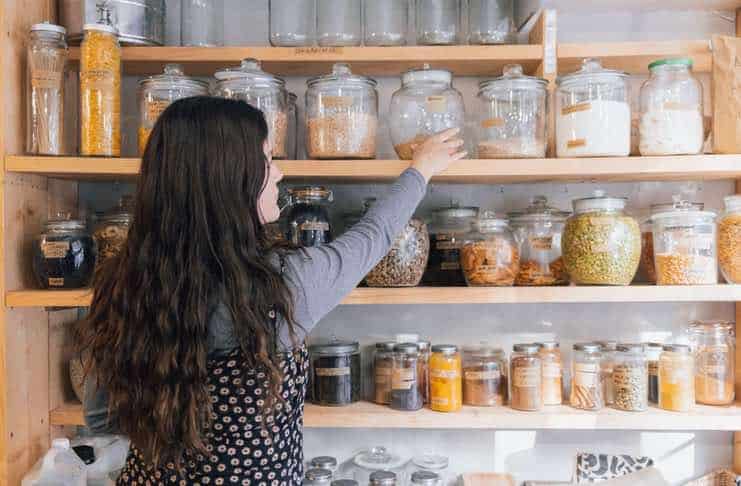
A kitchen often feels more welcoming when ingredients are easy to find and everything has a clear place. The way a pantry is arranged can influence how quickly meals come together during busy days. A thoughtful layout limits the time spent searching for spices, dry goods, and snacks while bringing order to what can become one of the most cluttered parts of a home. An organized pantry can act as the backbone of efficient meal preparation, shaping how a kitchen functions daily. So without further ado, as part of our kitchen design tips, we’ll explore why pantry layouts matter for streamlined meal preparation.
The Value Of Reach-In Pantries
A reach-in pantry provides storage in a compact footprint, making it appealing in kitchens with limited space. Shelves can line the interior from floor to ceiling, allowing every inch to serve a purpose. Many homeowners explore reach-in pantry design ideas to create zones for canned goods, grains, and baking supplies, arranging items so nothing disappears into the back of a shelf. Transparent containers, tiered risers, and pull-out bins can transform narrow shelves into organized spaces where each item remains visible. With this approach, meal prep becomes more fluid because ingredients are grouped by type and are easy to grab without disrupting the rest of the pantry.
The Flow Of Movement
The layout of a pantry significantly affects how smoothly someone moves through meal preparation. When ingredients are arranged in a logical sequence, the number of steps taken during cooking is minimized, which saves time and reduces frustration. Positioning frequently used items at eye level or near the front ensures they are easy to grab without shifting multiple products around, while heavier items like large bags of flour, sugar, or bulk canned goods can rest on lower shelves to prevent strain during lifting. Check out this Pinterest page for some inspiration.
Grouping items by type, spices, grains, baking ingredients, and snacks helps create natural zones that match how cooking tasks flow, making it easier to assemble ingredients in one motion. Even the placement of smaller tools, like measuring cups or utensils, within the pantry or on nearby shelves can streamline the process. A thoughtfully planned pantry reduces backtracking, eliminates awkward reaches, and supports a rhythm where ingredients are accessible when and where they are needed. Over time, this attention to movement can make daily meal preparation feel more intuitive and less stressful, transforming the kitchen into a more efficient and pleasant space to work in.
Categorization For Clarity
Clear categories reduce visual clutter and create mental shortcuts when searching for ingredients. Dividing pantry contents into sections for baking, snacks, breakfast staples, canned vegetables, grains, and condiments can streamline daily routines. Labels can make this structure even stronger, especially on opaque containers or baskets. Transparent bins can create clear boundaries between categories while still showing what they contain. This clarity removes guesswork and limits the need to move multiple items to find what is needed. Over time, a well-categorized pantry becomes second nature and supports faster cooking sessions.
The Impact Of Visibility
Being able to see pantry items at a glance has a direct effect on both efficiency and organization. When products are easily visible, it reduces the likelihood of ingredients being forgotten or going to waste. Deep or overcrowded shelves often hide older items behind newer purchases, which can lead to spoiled food and unnecessary trips to the store. Implementing staggered shelving, tiered risers, or rotating lazy susans keeps everything within view, allowing each product to be easily accessed without moving multiple items.

Using clear containers for dry goods, snacks, or baking ingredients further enhances visibility, making it easy to monitor quantities and know when to restock. This approach also encourages a habit of rotating older items to the front, ensuring that nothing sits unused for too long. Visibility supports meal planning by making it obvious which ingredients are available, inspiring new recipe ideas, and reducing last-minute substitutions. Over time, maintaining a pantry where everything is visible fosters a smoother, more enjoyable cooking experience because the effort spent searching for ingredients is minimized and the kitchen feels more orderly.
Balancing Space And Capacity
Balancing space and capacity is a crucial aspect of a pantry layout because it directly affects how functional and user-friendly the storage area feels. An overcrowded pantry can make it difficult to locate items, while shelves that are too sparse may tempt overbuying and create a sense of disorder. Adjustable shelving allows for customization, accommodating tall cereal boxes, wide baking mixes, or seasonal bulk items as needed. Utilizing vertical space efficiently can open room for stacking containers without causing clutter.
Door racks or shallow side shelves add extra storage for smaller items like spices, condiments, or snack packs, keeping them accessible without crowding the main shelves. Thoughtful placement of heavier items near the bottom reduces strain when lifting and prevents accidents, while frequently used ingredients are positioned at eye level for easy reach. By carefully balancing space and capacity, a pantry can remain both functional and visually organized, making it easier to maintain order while supporting a smooth and stress-free cooking routine.
Sustaining Long-Term Organization
A pantry layout should make upkeep simple and manageable rather than overwhelming. When every item has a consistent home, restocking and meal prep become easier and less stressful. Establishing small habits, such as returning containers to the same spot after use or periodically wiping down shelves, helps preserve the initial organization over time. Using clear bins and labeled containers not only improves visibility but also simplifies cleaning and rotation, allowing items to be pulled out and replaced efficiently. Periodically reassessing the pantry to remove expired products or adjust for seasonal changes keeps the system aligned with current needs. By maintaining these routines, the pantry remains orderly, and the effort invested in planning the layout continues to pay off in daily cooking. Over time, these habits build a resilient organizational system that supports smooth meal preparation, reduces frustration, and encourages consistent use of ingredients before they go to waste.
To Conclude…
The structure of a pantry shapes how efficiently meals come together from day to day. Thoughtful layout decisions can reduce wasted steps, create clarity, and keep ingredients visible and fresh. Whether working with a compact reach-in space or a larger dedicated pantry, design choices influence how smoothly cooking routines unfold. When shelves, containers, and zones work in harmony, the pantry becomes more than just storage. It functions as a quiet support system for faster, calmer meal preparation.