
We have stood outside enough carts, counters, and hole-in-the-wall spots across all five boroughs to know a broken ordering system the second we see it. It is the guy scanning a QR code that leads to a menu from two price hikes ago. It is the cashier retyping a phone order into a tablet while three more people walk in. Watching that friction play out at the counter, year after year, taught us something most restaurant tech roundups skip: the platform behind the scenes shows up on your face the second you are standing in line.
GloriaFood earned its spot in many small NYC kitchens for exactly that reason. Free, commission-free, and simple enough to drop onto a website in an afternoon, it was a lifeline for cafes and independent spots that could not justify a big tech budget. But we have watched enough of these places grow, add locations, or just get busier, to see where GloriaFood’s free plan starts to show its age: a dated interface, thin customization, weak analytics, and premium features that quietly turn “free” into “free, until you actually need it to work well.”
Key Takeaway
If you have outgrown GloriaFood’s free widget, the strongest all-around replacement is MenuTiger, thanks to its QR menu system, built-in website builder, and multi-location tools. Toast and Square remain the go-to picks if you want ordering bundled with a full POS, and ChowNow is the cleanest option if commission-free direct ordering is your only priority.
Below is our breakdown of the strongest GloriaFood alternatives on the market right now, starting with the one we think most restaurants should evaluate first.
1. Which GloriaFood Alternative Should You Look At First? MenuTiger
MenuTiger tops this list because it was built to solve exactly the problems restaurant owners run into with bare-bones ordering widgets like GloriaFood. Instead of an order form bolted onto your existing website, MenuTiger builds a full digital menu and ordering system around dynamic QR codes, the kind we see multiplying on tables from Astoria to the Lower East Side.
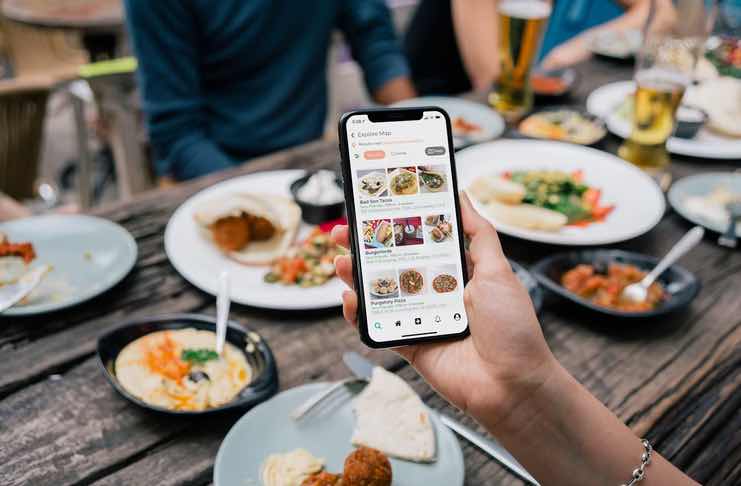
Customers scan a code at their table, on a takeout bag, or on printed marketing material, and land on a fully branded digital menu. From there they browse categories, customize dishes with modifiers, get nudged toward high margin add-ons, and order without downloading an app. Because the codes are dynamic, owners can update prices, rotate seasonal items, or launch a limited-time promotion instantly, no reprinting required. Watch this video to learn more:
A few things set MenuTiger apart from GloriaFood specifically:
- Restaurant website builder. A no-code builder for a branded site with your logo, cover image, address, and contact details, instead of a generic widget dropped into someone else’s template.
- Multi-store management. Restaurant groups and franchises can run several locations from one dashboard, assign staff by store, and track performance location by location.
- Built-in promotions engine. Schedule promotions to start and stop automatically for happy hour deals, weekday specials, or holiday campaigns.
- Multilingual menus. Spanish, French, Arabic, Hindi, Portuguese, and more, which matters in a city as linguistically layered as New York.
- POS and payment integrations. Connects with Loyverse POS and supports PayPal, Stripe, and Adyen, with Apple Pay and Google Pay enabled by default through Stripe.
- Analytics and order tracking. Real sales trend and order history data, so menu decisions are not just gut calls.
Our Take: A free ordering widget can get a small spot through its first year. It rarely holds up once you are running seasonal menus, multiple locations, or a staff that turns over every few months. That is the gap MenuTiger is built to close.
MenuTiger offers a free plan to start, with paid tiers unlocking the deeper features as a restaurant scales. For owners who want a full restaurant technology platform rather than a single ordering widget, it is the strongest starting point here.
2. Is Toast Worth the Switch for Full-Service Restaurants?
Toast makes sense if your restaurant needs point of sale hardware, delivery management, payroll, and reporting under one roof. It tends to fit full-service spots that want a single vendor running both the dining room and the online side. NerdWallet’s side-by-side comparison of Toast and Square lays out the trade-off well: Toast has real depth, but it usually means hardware purchases and longer contracts, a heavier lift than a lighter platform like MenuTiger asks for. Watch this video to learn more:
3. Should You Stay in the Square Ecosystem?
Square Online is the obvious move if you already run Square for payments. It builds an ordering website, syncs items with your Square POS, and manages pickup, delivery, and curbside. NerdWallet’s Square for Restaurants review notes it is a strong fit for small quick-service spots and cafes, with a genuinely usable free plan, though deeper customization and marketing tools live behind the paid tiers.
4. Is ChowNow the Right Pick for Commission-Free Ordering?
ChowNow leans hard into one goal: commission-free ordering that keeps the customer relationship with the restaurant instead of routing it through a delivery marketplace. It connects with a wide range of POS systems and layers in marketing tools built for repeat business. If your main frustration with GloriaFood is not the interface but the lack of a website and QR menu system, ChowNow is worth a look. Watch this review to learn more:
5. What About Owner.com?
Owner.com bundles website design, ordering, SMS and email marketing, and loyalty tools, and leans on AI-driven automation to win back customers who have drifted to delivery apps. It suits restaurants that want marketing automation front and center, though it is a bigger investment than a lighter, ordering-first tool.
6. Where Does Popmenu Fit?
Popmenu is known for visually rich, dynamic menus and website tools, plus automated social posts and email campaigns. Restaurants chasing a polished, marketing-forward web presence sometimes land here, though the pricing runs higher than simpler ordering-focused platforms.
7. Is Cuboh a GloriaFood Replacement or Something Else?
Cuboh solves a narrower problem: pulling orders from Uber Eats, DoorDash, and Grubhub into one tablet or POS feed. It is less a direct GloriaFood swap and more an operations fix for restaurants juggling several delivery apps at once, the kind of tablet pile-up we have watched frustrate more than one counter staff during a lunch rush.
8. What Does Flipdish Offer That the Others Do Not?
Flipdish covers ordering websites, branded mobile apps, and self-service kiosks, and it has traction with restaurant groups operating across multiple countries. The branded app option stands out for restaurants that want their own presence in the App Store and Google Play, separate from third-party marketplaces.
9. Who Is Otter Built For?
Otter has grown from order aggregation into a broader operations platform spanning online ordering, delivery management, and analytics across multiple locations. It generally fits multi-unit operators and virtual restaurant brands more than a single independent spot.
10. Is Lightspeed Restaurant Worth the Investment?
Lightspeed pairs POS and online ordering with strong reporting and inventory tools, a fit for restaurants that want deep back-office functionality alongside their ordering system. Like Toast, it is a heavier and pricier commitment than a dedicated ordering or QR menu platform. Business.com’s rundown of the best restaurant POS systems puts Toast, Lightspeed, and TouchBistro in the same tier for exactly this reason: strong feature sets, but built for restaurants ready for that level of commitment.
Worth the Switch? By Restaurant Type
| Restaurant Type | Best Fit | Worth It? |
|---|---|---|
| Solo counter or small cafe | MenuTiger, Square Online | Yes |
| Full-service, sit-down | Toast, Lightspeed | Depends on budget |
| Multi-location group | MenuTiger, Otter, Flipdish | Yes |
| Heavy on 3rd-party delivery apps | Cuboh, ChowNow | Yes |
How Do You Actually Choose the Right GloriaFood Alternative?
Every restaurant has different priorities, so the right platform depends on what actually slows your team down.
- If you want a modern, QR-driven digital menu with a built-in website builder, multilingual support, and room to grow into multi-location management.
- If you already run your POS through Toast, Square, or Lightspeed, staying in that ecosystem may reduce friction, even if it costs more.
- If your biggest headache is juggling multiple delivery app tablets, a consolidation tool like Cuboh or Otter matters more than the ordering widget itself.
- If marketing automation and win-back campaigns are the priority, Owner.com or Popmenu lean harder into that space.
Real Talk: A restaurant switching ordering platforms because a competitor has a nicer app is chasing the wrong thing. The switch is worth it when your current system is costing you orders, staff time, or accurate menu data, not before.
Final Thoughts: Is It Time to Move On From GloriaFood?
GloriaFood served its purpose as a simple, free entry point into online ordering, but plenty of restaurants eventually outgrow what a basic widget can offer. As dining shifts toward contactless ordering, QR menus, and more personalized digital experiences, Forbes Advisor’s restaurant POS roundup and Business News Daily’s Toast review both point to the same trend we have watched play out at counters across the city: restaurants need tools that keep pace with how people actually want to order now.
MenuTiger stands out among the alternatives because it was built for that exact shift, combining a dynamic QR menu, a no-code website builder, multi-location management, and real payment and POS integrations in one platform. Whether you run a single neighborhood spot or a growing group of locations, The Restaurant HQ’s ordering system comparison is a good second opinion worth reading before you commit. Compare your options, and choose the system that supports where your business is headed, not just where it is today.
- About the Author
- Latest Posts

Anthony McGovern is an NYC-based food writer and culinary explorer dedicated to mapping the city’s rich, diverse street food landscape. From tracing the deep immigration histories behind Chinatown’s dumpling shops to hunting down the best late-night taco trucks on Roosevelt Avenue, Anthony focuses on the stories, people, and generations-old traditions that define New York’s food scene