
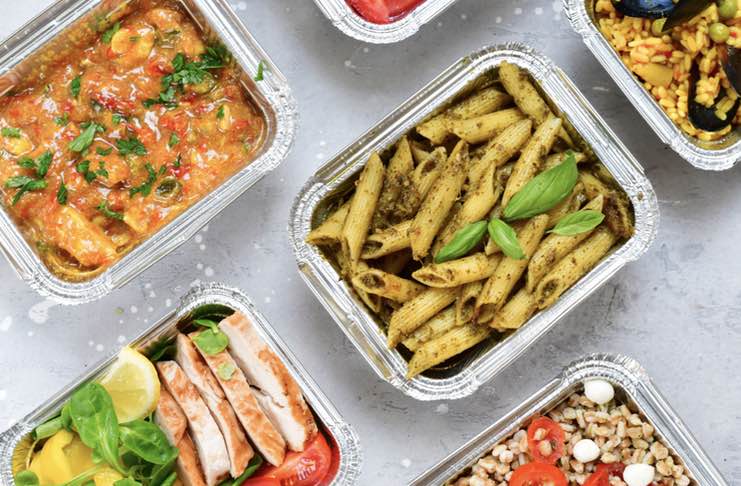
It’s tempting to trust a packaged “heat-and-eat” meal to save time—honestly, who hasn’t? But with recent recalls and a multistate Listeria outbreak tied to precooked pasta, it turns out that convenience can come with some real risks. If you or anyone in your household eats these ready-to-eat pasta meals, you should know: contaminated ingredients have led to hospitalizations and deaths. The safest thing you can do? Toss the product or return it. Don’t take chances.
This post digs into what set off the Texas alert, which products and grocery chains got pulled in, and how Listeria manages to sneak into foods you’d think were low-risk. If you’re in Texas and someone gets sick after eating a prepared meal, there are local food illness attorneys who can help you sort things out.
Texas Listeria Alert: Recalls, Sources, and Outbreak Investigation
Authorities flagged several recalled ready-to-eat pasta meals, traced the issue back to pre-cooked linguine sent to meal manufacturers, and kicked off a multiagency investigation that’s now linking cases across different states. If you’ve got any of these products at home, check the labels—lot numbers and “best if used by” dates matter here. If there’s a match, it’s time to throw it out.
Products and Brands Involved in the Recall
The recalls cover a range of refrigerated and frozen prepared meals, plus deli salads with pre-cooked pasta, all sold at major retailers. Agencies have listed things like Marketside linguine with beef meatballs, Trader Joe’s Cajun-style chicken fettuccine alfredo, Sprouts smoked mozzarella pasta salad, and Kroger deli bowtie and penne salads. Some microwavable bowls made by brands like Scott & Jon’s Shrimp Scampi are in there, too.
Watch this news reel to learn more:
Retail “best if used by” and sell-through dates can be all over the place; some recalls give specific ranges (like late Sept–early Oct 2025) and package sizes. It’s smart to look at your product’s lot codes and dates, then check recall notices from the FDA, USDA FSIS, or your retailer before eating or serving anything in question.
Tracing Listeria Sources in Ready-To-Eat Pasta
Investigators tied the illnesses to Listeria monocytogenes found in samples of pre-cooked linguine that went out to meal producers. Whole genome sequencing matched up the bacteria from patients and ingredient samples, which pretty much points to a problem in the supply chain—not just one store.
Officials zeroed in on ingredient testing, especially pasta coming from FreshRealm and a few other manufacturers. When a supplier’s batch tested positive, companies and regulators widened the recalls to catch anything made with that pasta. Looking at when people got sick and talking to patients helped narrow down which products were really to blame.
Key Establishments and Inspection Numbers
Regulatory bulletins have named several establishments involved in making and processing these products. Public records and agency alerts mention inspection numbers like est. P-47770, est. P-47718, and est. P-50784—These are tied to manufacturers, co-packers, or suppliers somewhere along the line.
Agencies worked together on inspections, sample collection, and tracing the products back through the supply chain to check sanitation, processing controls, and how ingredients were handled. When problems turned up, recalls followed, and retailers across the country pulled affected lots off the shelves and let customers know.
Health Risks of Ready-To-Eat Pasta Meals: Why ‘Heat-And-Eat’ Isn’t Always Safe
Ready-to-eat pasta meals might seem safe, but Listeria monocytogenes can still be there if ingredients or the processing environment get contaminated. Sometimes, even following the heating instructions isn’t enough to kill the bacteria, and refrigeration just slows it down—it doesn’t stop it from growing altogether.
Who Is at Highest Risk for Listeriosis?
Folks with weakened immune systems are most at risk from listeria. That means pregnant women, newborns, adults over 65, and anyone on chemotherapy, immunosuppressive meds, or living with chronic conditions like diabetes or HIV.
Pregnant women might only get mild, flu-like symptoms, but the consequences can be devastating—miscarriage, stillbirth, or a life-threatening infection in the baby. Newborns infected during delivery often wind up in the hospital for a long time and need serious care.
Healthcare providers pay extra attention to high-risk patients after possible exposure. Usually, they’ll run blood cultures or, if needed, test spinal fluid to confirm a serious infection and get targeted antibiotics started as soon as possible.
Symptoms and Timeline of Listeria Infection
According to Mayo Clinic, symptoms aren’t always the same—they depend on the person and whether the infection stays in the gut or spreads. Early signs are often fever, muscle aches, and stomach issues like nausea or diarrhea. These can show up in just a few days, but sometimes it takes up to 10 weeks after eating contaminated food. That’s a long time to wonder what’s going on.
If the bacteria move beyond the intestines, people can develop meningitis (think headache, stiff neck, confusion), septicemia, or other serious infections like endocarditis. Pregnant folks often just feel a bit sick, but the baby can have much more severe symptoms—breathing problems, fever, trouble feeding, and so on.
Preventive Steps and Responding to a Listeria Exposure
If you’ve got any recalled ready-to-eat pasta meals lurking in your fridge, best to steer clear and double-check those use-by dates. Seriously, don’t just eyeball it—follow the heating instructions on the package and make sure the food hits at least 165°F (74°C) inside. That’s really the only way to knock out most of the bacteria.
After handling anything you think might be contaminated, it’s a good idea to give your fridge, containers, and utensils a proper clean. Listeria is annoyingly persistent—it can hang around on surfaces and sneak into other foods if you’re not careful. Also, keep those chilled meals cold, below 40°F (4°C), and don’t push your luck with how long you store them.
If you think you might’ve been exposed—especially if you’re pregnant, older, or your immune system isn’t up to scratch—don’t wait around. Reach out to your healthcare provider as soon as possible. They might want to run some blood tests, and if there’s any sign of a serious infection, they’ll probably start antibiotics right away to keep things from getting worse.